
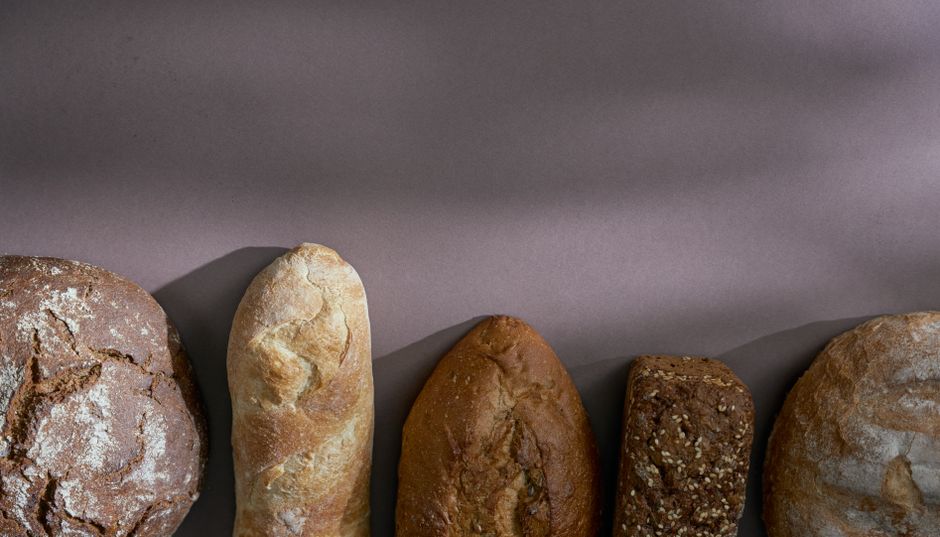
Freezing bread is one of the best ways to keep it fresh, and the process is simpler than most people think. The key is to freeze it as soon as possible after purchase or baking, wrap it tightly to prevent freezer burn, and thaw it properly to restore its texture. The most reliable method is to slice the bread before freezing, wrap it securely, and toast or thaw at room temperature when you are ready to eat it.
Why Freeze Bread at All?
Bread goes stale faster than many people expect. At room temperature, most commercial breads begin to lose quality within a few days. Homemade bread without preservatives can stale or grow mold even faster.
Freezing stops the staling process almost completely. When bread is frozen, the starch molecules lock in place. This is why frozen bread can taste nearly identical to fresh bread when thawed correctly. The freezer essentially pauses time for your loaf.
There is also a practical benefit. Buying bread in bulk or baking several loaves at once saves money and time. Freezing lets you enjoy fresh bread on demand without daily trips to the store or bakery.
What Is the Best Way to Prepare Bread for Freezing?
Preparation matters more than almost anything else in the freezing process. The goal is to protect the bread from two enemies: moisture loss and odor absorption.
Start by slicing the bread if it is not already sliced. Slicing before freezing is not required, but it makes life much easier later. You can pull out one or two slices at a time without thawing the whole loaf. If you prefer to freeze a whole loaf, you can do that too. Just know that you will need to thaw the entire loaf before you can slice it.
Wrap the bread tightly in plastic wrap, aluminum foil, or a resealable freezer bag. Squeeze out as much air as possible before sealing. Air in the packaging causes freezer burn, which dries out the bread and leaves it with an off flavor.
For extra protection, use a double layer. Wrap the bread in plastic wrap first, then place it inside a freezer bag. This double barrier keeps out moisture and prevents the bread from picking up odors from other foods in your freezer.
How Long Can You Keep Bread in the Freezer?
Frozen bread stays safe to eat indefinitely in terms of food safety. Freezing at 0°F (-18°C) stops bacterial growth completely. However, quality does decline over time.
For the best texture and flavor, use frozen bread within three to six months. After that point, the bread may still be safe, but it will likely develop freezer burn or absorb odors from the freezer. The quality loss is gradual, so you may not notice much difference at three months but will likely notice it at nine months or a year.
Commercial breads with preservatives tend to hold up slightly longer in the freezer than fresh homemade bread. Homemade bread lacks the chemical stabilizers that commercial bakeries add, so it is best consumed within three months of freezing.





What Is the Right Way to Thaw Frozen Bread?
Thawing method depends on whether the bread is sliced or whole, and how you plan to use it.
For individual slices, the fastest and best method is to toast them directly from the freezer. Frozen slices toast beautifully. The heat drives off the excess moisture and restores a crisp crust with a soft interior. No thawing needed.
For whole loaves, remove the wrapping and let the bread sit at room temperature for one to two hours. Keep the bread in its wrapping if you want a softer crust. Remove the wrapping if you prefer a crustier exterior. Once thawed, the bread should be eaten within a day or two.
You can also thaw bread in the refrigerator overnight. This is slower but works well if you plan to use the bread the next day. Refrigerator thawing takes longer but produces consistent results.
Microwave thawing is possible but not recommended. The microwave heats unevenly and can make the bread rubbery or gummy. If you are in a hurry, use the toaster instead.
Can You Refreeze Bread After Thawing?
Refreezing bread is safe from a food safety standpoint, but it damages quality. Each freeze-thaw cycle damages the bread’s cellular structure. Ice crystals form inside the bread during freezing, and they puncture the gluten network. Thawing releases that water, which makes the bread denser and less pleasant.
If you must refreeze, do it quickly. Refreeze the bread as soon as possible after thawing, and do not leave it at room temperature for hours first. The texture will suffer, but the bread will still be safe to eat.
The better approach is to plan ahead. Slice the bread before the first freeze so you only thaw what you need. This eliminates the need to refreeze entirely.
Does Freezing Bread Change Its Nutritional Value?
Freezing does not significantly change the nutritional content of bread. The calories, carbohydrates, protein, and fiber remain essentially the same after freezing and thawing. Vitamins and minerals in bread are stable at freezer temperatures.
One interesting detail is that freezing and toasting bread may slightly lower its glycemic index. Some research suggests that the freeze-thaw process changes the structure of starches in bread, making them slightly harder for the body to digest quickly. This effect is modest and should not be treated as a health strategy, but it is a genuine physiological change rather than a marketing claim.
What does change is moisture content. Improperly wrapped bread loses moisture in the freezer, which makes it drier after thawing. This is a textural change, not a nutritional one.
What Types of Bread Freeze Well?
Most breads freeze well, but some perform better than others. Dense, hearty breads with whole grains and seeds freeze beautifully. Sourdough, rye, pumpernickel, and multigrain loaves retain their texture and flavor exceptionally well after freezing.
Sandwich bread, brioche, and other soft enriched breads also freeze well. The higher fat content in enriched doughs actually helps protect the bread during freezing. These breads thaw to a soft, pleasant texture.
Bread with a very crisp crust, like a French baguette, freezes acceptably but loses some of its crust crunch. Toasting or reheating in the oven can restore some of that crispness. Place the thawed bread in a 350°F oven for five to ten minutes to revive the crust.
Bread with wet toppings or fillings, such as cream cheese-filled pastries or bread with a glaze, does not freeze as well. The moisture migrates during freezing and can make the bread soggy or the topping weep.
How Can You Freeze Bread Without It Tasting Bad?
The two most common problems with frozen bread are freezer burn and off-flavors. Both are preventable with proper wrapping.
Freezer burn happens when air reaches the bread’s surface. The exposed areas dry out and develop grayish or whitish spots. These spots are not harmful, but they taste unpleasant. Tight wrapping prevents freezer burn almost entirely.
Off-flavors come from the bread absorbing odors from other foods in the freezer. Bread is porous and absorbs nearby smells easily. If you store bread next to raw onions or fish, it will taste like them. The double-layer wrapping method protects against this.
Use freezer-specific bags rather than regular storage bags. Freezer bags are thicker and create a better moisture barrier. They are worth the slight extra cost.
Frequently Asked Questions
Should you freeze bread fresh or after it goes stale?
Freeze bread as soon as possible after purchase or baking. Freezing fresh bread locks in its quality, while freezing stale bread only preserves the stale texture.
Is it better to freeze bread sliced or whole?
Sliced is better for convenience because you can remove individual slices without thawing the whole loaf. Whole loaves are fine if you plan to eat the entire loaf after thawing.
How long does bread last in the freezer?
Bread stays safe to eat indefinitely in the freezer, but quality is best within three to six months. After that, freezer burn and texture changes become noticeable.
Can you put frozen bread directly in the toaster?
Yes. Frozen bread slices toast perfectly straight from the freezer, and this is actually the best way to thaw and enjoy individual slices.
