
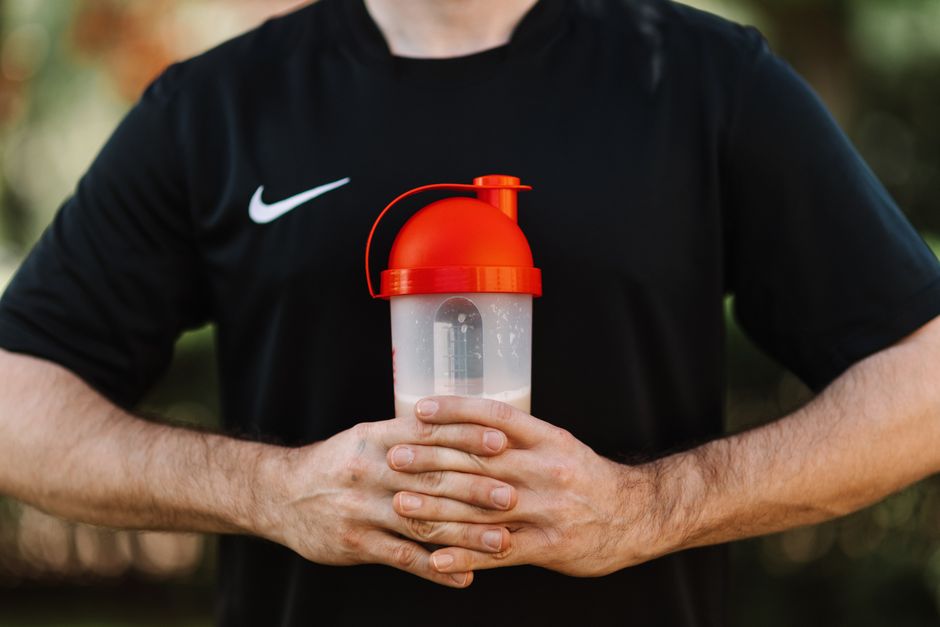
Eating more protein does not require a complete kitchen overhaul or expensive supplements. The most direct way is to add a serving of protein to every meal and snack you already eat. For most people, this means including about 20 to 30 grams of protein at breakfast, lunch, and dinner, and 10 to 15 grams with snacks. Think of it as building your plate around the protein source first, then adding vegetables, grains, and fats around it.
How Much Protein Do You Actually Need Each Day?
The standard recommendation from the CDC and the National Institutes of Health is 0.8 grams of protein per kilogram of body weight. For a 150-pound person, that is about 55 grams per day. But that number is the minimum to prevent deficiency, not the amount for optimal health.
Research published in the American Journal of Clinical Nutrition suggests that active adults benefit from 1.2 to 2.0 grams per kilogram. That same 150-pound person would need 82 to 136 grams daily. Older adults over 65 may need even more to fight muscle loss, with some studies suggesting 1.5 grams per kilogram.
If math is not your thing, a simpler rule works: aim for 30 grams at each meal. That puts most people in the right range without calculating body weight every day.
What Are the Best Food Sources for Adding Protein?
Whole foods beat supplements every time. They provide protein plus fiber, vitamins, and minerals that powders and bars often lack. The best sources are foods you can buy at any grocery store.
| Food | Protein per Serving | Notes |
|---|---|---|
| Chicken breast (3 oz cooked) | 26 grams | Lean and versatile |
| Greek yogurt (plain, 1 cup) | 23 grams | Double the protein of regular yogurt |
| Cottage cheese (1 cup) | 24 grams | Low-fat versions work well |
| Eggs (2 large) | 12 grams | Whole eggs are better than whites alone |
| Canned tuna (3 oz) | 20 grams | Cheap and shelf-stable |
| Lentils (1 cup cooked) | 18 grams | Also high in fiber |
| Edamame (1 cup) | 17 grams | Great snack or salad topper |
| Almonds (1/4 cup) | 7 grams | Easy to overeat, measure portions |
Plant-based eaters can combine beans, lentils, tofu, tempeh, and quinoa. The old idea that you must combine proteins at every meal has been debunked. Your body pools amino acids from everything you eat over the day, so variety across meals is enough.
How Can You Eat More Protein Without Changing Your Diet Too Much?
Small swaps work better than big overhauls. Replace your morning cereal with Greek yogurt and berries. Use cottage cheese instead of sour cream on baked potatoes. Swap regular pasta for chickpea or lentil pasta, which has about 15 grams more protein per serving.
Add protein to foods you already eat. Stir a scoop of unflavored collagen or whey powder into oatmeal, soup, or coffee. Mix canned tuna or shredded chicken into your lunch salad. Top your toast with peanut butter or almond butter instead of jam.
Snacks are an easy place to add protein without thinking. Hard-boiled eggs, cheese sticks, edamame, beef jerky, and roasted chickpeas all travel well. Keep a few options in your bag or desk drawer so you are never stuck reaching for chips.
One non-obvious trick: eat your protein source first at each meal. Research from the University of Texas suggests that eating protein early in a meal helps regulate appetite and blood sugar for hours afterward. You naturally eat less of the less nutritious foods on your plate.



Should You Use Protein Powders and Supplements?
Protein powders are fine when you need convenience but they are not required. The USDA and most dietitians recommend getting protein from food first because whole foods provide nutrients that powders do not.
Whey protein is the most studied supplement. Research shows it helps with muscle repair after exercise and is digested quickly. Casein protein digests more slowly and is often taken before bed. Plant-based powders like pea, hemp, and brown rice are good options for those who avoid dairy.
Some people report bloating or digestive discomfort from protein powders, especially whey. If that happens, try a plant-based blend or a hydrolyzed whey, which is broken down more for easier digestion. As of 2026, there is no clinical evidence that protein powders are harmful for healthy adults at normal doses.
Avoid protein powders that list a long ingredient label with artificial sweeteners, gums, and fillers. Look for ones with three to five ingredients total. The simpler the better.
What Are Common Mistakes When Trying to Eat More Protein?
The biggest mistake is adding protein without adjusting calories elsewhere. Protein has 4 calories per gram just like carbohydrates. If you add 50 extra grams of protein a day without removing anything else, you will gain weight. That is fine if your goal is muscle gain but not if you want to lose fat.
Another common error is relying on protein bars. Many bars are glorified candy bars with 20 grams of sugar and only 10 grams of protein. Check the label. A good bar has at least 15 grams of protein and less than 5 grams of added sugar.
Some people also spread their protein too thin across the day. Eating 10 grams at breakfast, 15 at lunch, and 5 at dinner does not maximize muscle protein synthesis. Research in the Journal of Nutrition found that consuming 30 to 40 grams per meal is more effective for muscle building than eating small amounts throughout the day.
Finally, do not cut out carbohydrates or fats entirely. Protein works best alongside other nutrients. Carbs help shuttle protein into muscles after exercise. Fats help absorb fat-soluble vitamins. Balance matters more than any single macronutrient.
Does Timing Matter for Protein Intake?
For most people, total daily protein matters more than exact timing. Eating enough over 24 hours is the priority. But timing can help specific goals.
A protein-rich breakfast is especially useful. Many people eat a carb-heavy breakfast like cereal or toast and then struggle to meet their protein target later. Starting the day with 25 to 30 grams of protein sets you up for success and helps control hunger until lunch.
Post-workout protein is well studied. Eating protein within two hours after exercise helps repair muscle tissue. The exact “anabolic window” is wider than once thought. You do not need a shake within 30 minutes. A meal within a few hours works just as well.
Some research suggests eating protein before bed, especially for older adults. A 2019 study in the British Journal of Nutrition found that 40 grams of casein protein before sleep improved muscle protein synthesis overnight. A bowl of cottage cheese or a glass of milk before bed is a simple way to do this.
Frequently Asked Questions
How can I eat more protein without eating meat?
Lentils, chickpeas, tofu, tempeh, edamame, quinoa, and hemp seeds are all high in protein. Greek yogurt and cottage cheese also work if you eat dairy.
Can I eat too much protein?
Very high protein intake above 2.5 grams per kilogram of body weight may stress the kidneys in people with existing kidney disease. For healthy adults, moderate increases are safe.
What is the easiest way to add protein to breakfast?
Add Greek yogurt, cottage cheese, eggs, or a scoop of protein powder to your usual breakfast. Even two eggs add 12 grams of protein.
Do I need protein shakes to build muscle?
No. Whole food sources like chicken, fish, eggs, and beans work just as well. Protein shakes are only for convenience when you cannot eat a meal.
