
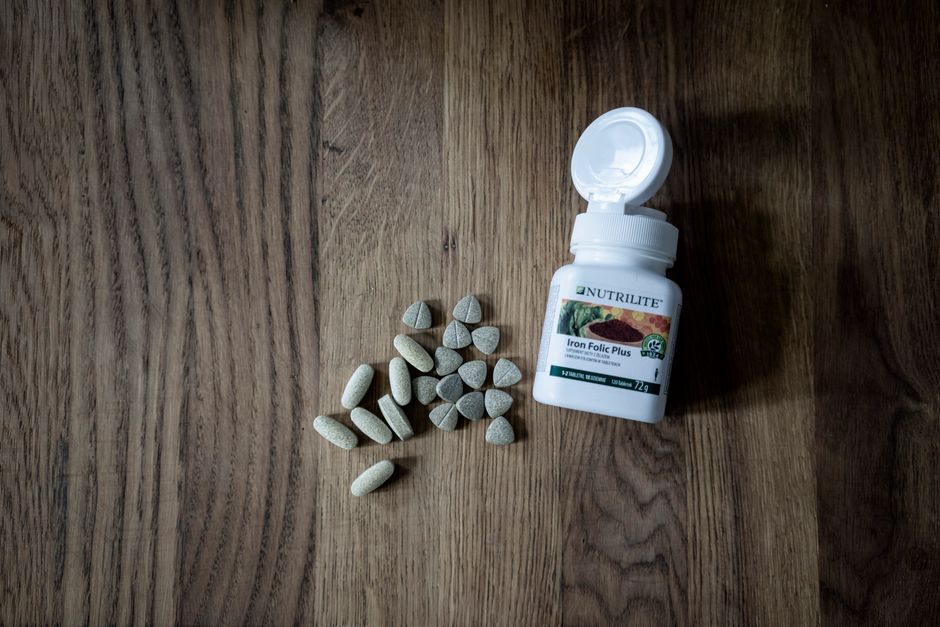
If you feel tired, weak, or short of breath, low iron might be the cause. The quickest way to boost your iron levels is to eat heme iron from animal sources like red meat, liver, or poultry, because your body absorbs it far better than plant-based iron. Pairing any iron-rich food with vitamin C — like a squeeze of lemon on spinach or a glass of orange juice with your eggs — can double or triple absorption. For a serious deficiency, iron supplements work fastest, but you need to talk to a doctor first because too much iron is dangerous.
What Are the Best Foods for Raising Iron Fast?
Not all iron is the same. Heme iron comes from animal tissue and your body absorbs it at a rate of 15% to 35%. Non-heme iron comes from plants and your body only absorbs about 2% to 20% of it. If you need fast results, heme iron is your best bet.
Top heme sources include beef liver, which has about 5 milligrams of iron per 3-ounce serving, and lean beef, which has about 3 milligrams per serving. Chicken liver is also high, and even a serving of oysters provides around 8 milligrams. For non-heme sources, cooked spinach, lentils, and fortified cereals are the strongest options. A cup of cooked lentils gives you about 6.6 milligrams, and a cup of cooked spinach gives you about 6.4 milligrams.
The catch is that plant iron needs help. Without vitamin C, you might absorb very little. The CDC notes that adding vitamin C can increase non-heme iron absorption by up to six times. So if you eat lentils, add bell peppers. If you eat spinach, add strawberries.
Do Iron Supplements Work Faster Than Food?
Yes, supplements raise iron levels faster than food, but they come with more risk. A standard ferrous sulfate supplement provides about 65 milligrams of elemental iron per tablet. That is roughly 10 times the iron in a serving of beef. The National Institutes of Health states that iron supplements can correct deficiency in two to four weeks if taken correctly.
But faster is not always safer. Your body has no easy way to get rid of extra iron. Taking too much can cause nausea, constipation, and stomach pain. In severe cases, iron overload damages the liver and heart. The American Academy of Family Physicians recommends that men and postmenopausal women should not take iron supplements without a confirmed deficiency and a doctor’s guidance.
If you do take supplements, take them on an empty stomach for best absorption. If your stomach gets upset, take them with a small amount of food — but avoid calcium-rich foods like milk or yogurt, which block absorption. Also, do not take iron with coffee or tea. The tannins in these drinks reduce absorption by up to 60%.
| Iron Source | Typical Iron per Serving | Absorption Rate |
|---|---|---|
| Beef liver (3 oz) | 5 mg | 15-35% |
| Cooked lentils (1 cup) | 6.6 mg | 2-20% |
| Ferrous sulfate supplement | 65 mg | 10-20% |
| Cooked spinach (1 cup) | 6.4 mg | 2-20% |
| Oysters (3 oz) | 8 mg | 15-35% |
How Does Vitamin C Help You Absorb More Iron?
Vitamin C is the single most effective helper for iron absorption. It works by converting non-heme iron into a form your body can use more easily. Research published in the American Journal of Clinical Nutrition found that 100 milligrams of vitamin C — about the amount in a medium orange — increased non-heme iron absorption by 67% in one meal.
You do not need a fancy supplement. A glass of orange juice with your oatmeal works. Sliced tomatoes on a spinach salad works. Even a handful of strawberries after a lentil soup helps. The key is to eat them together in the same meal. If you eat your vitamin C source separately, the effect is much weaker.
One thing few people know is that cooking can destroy vitamin C. So raw sources like bell peppers, citrus, and broccoli are better than cooked ones. If you are cooking spinach, add a squeeze of lemon after cooking, not before.





What Blocks Iron Absorption That You Might Not Know About?
Several common foods and drinks can cut your iron absorption in half. The biggest blockers are calcium, tannins, and phytates. Calcium is found in milk, cheese, yogurt, and some antacids. Tannins are in tea, coffee, and red wine. Phytates are in whole grains, beans, and nuts.
Studies have shown that drinking tea with a meal reduces iron absorption by about 60%. Coffee reduces it by about 50%. The effect lasts for about an hour after you drink them. So if you are trying to raise your iron, avoid these drinks for at least one hour before and after your iron-rich meal.
Calcium is trickier because it is in so many foods. The research suggests that calcium blocks both heme and non-heme iron equally. If you take an iron supplement, do not take it with a glass of milk. Wait at least two hours between eating dairy and taking your iron. Some people report that taking iron at bedtime helps because they are not eating anything else that could interfere.
Can You Raise Iron Too Fast and Cause Problems?
Yes, raising iron too quickly can cause harm. Your body stores extra iron as ferritin, and when ferritin levels get too high, the iron can damage your organs. This condition is called hemochromatosis. It is more common in men and postmenopausal women because they do not lose iron through menstruation.
Taking high-dose supplements without a deficiency is the most common way people get into trouble. Symptoms of too much iron include joint pain, fatigue, abdominal pain, and skin turning a bronze color. The CDC reports that hemochromatosis affects about 1 in 200 people of Northern European descent, but many do not know they have it until damage is done.
The safest approach is to get your iron levels tested before you start any supplement regimen. A simple blood test called a serum ferritin test tells you your iron stores. A hemoglobin test tells you if you are anemic. If your ferritin is below 30 ng/mL, you are likely deficient. If it is above 200 ng/mL in women or 300 ng/mL in men, you have too much.
What Are the Signs That Your Iron Is Still Low?
Even after you start eating more iron, it can take a while to feel better. Common signs that your iron is still low include fatigue that does not go away with rest, pale skin, brittle nails, and shortness of breath during normal activities. Some people also report restless legs, headaches, and a craving for ice or dirt — a condition called pica.
If you have been eating iron-rich foods and taking supplements for four weeks and still feel tired, get retested. Some people have an underlying condition that prevents iron absorption, such as celiac disease, inflammatory bowel disease, or a chronic infection. In those cases, treating the root cause is more important than eating more iron.
Women with heavy menstrual bleeding often need more aggressive treatment. A study in the Journal of Women’s Health found that about 30% of women with heavy periods have iron deficiency. For these women, oral supplements alone may not be enough, and intravenous iron might be needed. That is a conversation for your doctor, not something to try on your own.
How Can You Boost Your Iron Levels Quickly Without Side Effects?
There is no way to guarantee zero side effects, but you can reduce them. Start with food before supplements. If you are only mildly low, eating heme iron with vitamin C at every meal can raise your levels in two to three weeks. If you need supplements, choose a slow-release formula. Slow-release iron causes less nausea and constipation than immediate-release forms.
Also, spread your iron intake across the day. Your body absorbs iron best in small amounts. Taking one 65-milligram tablet twice a day is better than taking two at once. And always take your iron at least two hours away from calcium, tea, and coffee. Some people report that taking iron with a small amount of orange juice reduces stomach upset while still helping absorption.
If you get constipated from iron, increase your water intake and add a fiber source like psyllium husk. Just do not take the fiber at the same time as the iron, because fiber can also block absorption. A good rule is to take iron in the morning and fiber in the evening.
Frequently Asked Questions
How quickly can iron levels go up with supplements?
With consistent daily supplements, iron levels can start rising within one to two weeks. Full correction of deficiency usually takes two to four months.
Is it safe to take iron supplements every day?
It is safe for most people if you have a confirmed deficiency and follow the recommended dose. Do not take iron daily without a blood test confirming you need it.
Can you get enough iron from plants alone?
Yes, but it requires careful planning and pairing with vitamin C at every meal. Plant iron is harder to absorb, so you may need more total iron in your diet.
What drink is best to take with iron for absorption?
Orange juice is the best choice because of its high vitamin C content. Avoid tea, coffee, and milk for at least one hour before and after taking iron.
