
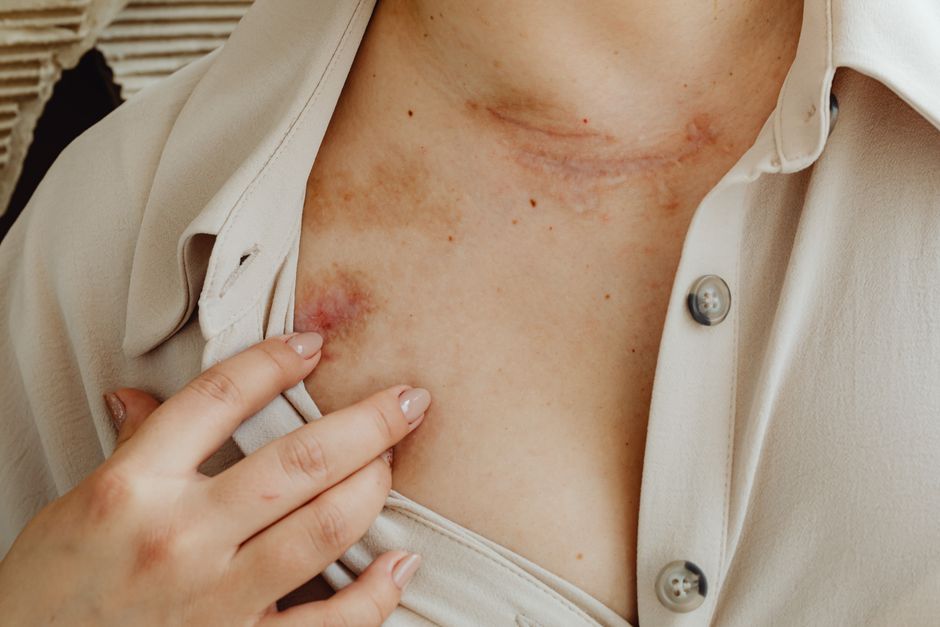
Healing a wound quickly comes down to keeping it clean, moist, and protected. Your body does the real work, but you can create the best conditions for it. The most effective steps are simple: wash the wound gently with mild soap and water, apply a thin layer of plain petroleum jelly, and cover it with a bandage. Change the dressing daily. That is the core routine backed by decades of medical evidence. Everything else you hear about wound healing — from special creams to what you should eat — matters far less than getting those basics right.
What Is the First Thing You Should Do for a Cut or Scrape?
The moment you get a wound, stop any bleeding first. Apply steady pressure with a clean cloth or gauze for a few minutes. Most minor bleeding stops within five to ten minutes. If it does not, keep pressing and get medical help.
Once the bleeding slows or stops, clean the wound. Running cool tap water over it works well. Use mild soap around the edges but try not to get soap directly into the open wound. Soap inside the wound can irritate the tissue and slow healing. The goal is to remove dirt, debris, and bacteria without causing more damage.
Do not use hydrogen peroxide or rubbing alcohol. This is one of the most persistent myths in first aid. Research published in the Journal of Wound Care has shown that hydrogen peroxide damages healthy cells and can actually delay healing. Plain water and mild soap are all you need. If the wound is deep or has embedded debris you cannot remove yourself, see a doctor for proper cleaning.
Does Keeping a Wound Moist or Dry Speed Healing?
For decades, people believed wounds needed to “breathe” and dry out to heal. That idea is wrong. Studies have found that moist wound healing is significantly faster than dry healing. The concept was first proven in the 1960s by Dr. George Winter, who showed that epithelial cells — the cells that rebuild skin — migrate faster over a moist surface.
A moist environment prevents a hard scab from forming. Scabs are not helpful. They act as a physical barrier that slows new skin cells from moving across the wound. Keeping the wound moist with a thin layer of petroleum jelly or a dedicated wound ointment allows cells to move freely.
Covering the wound also keeps it moist and protects it from bacteria. A standard adhesive bandage works for small cuts. For larger scrapes, a non-stick gauze pad held in place with medical tape is better. Change the dressing once a day or anytime it gets wet or dirty. The American Academy of Dermatology recommends this exact approach for basic wound care.
What Type of Wound Dressing Should You Use?
Not all bandages are the same. Choosing the right one depends on the type of wound you have.
| Wound Type | Best Dressing | Why It Works |
|---|---|---|
| Small cut or scrape | Standard adhesive bandage | Keeps dirt out, holds moisture in |
| Large abrasion (road rash) | Non-stick gauze with medical tape | Won’t stick to the wound when removed |
| Wound with light oozing | Hydrocolloid bandage | Absorbs fluid while keeping wound moist |
| Deep or surgical wound | Sterile gauze with medical tape | Allows for frequent dressing changes |
Hydrocolloid bandages have become popular, and for good reason. They create a gel-like seal over the wound that maintains ideal moisture levels. They also stick well and can stay on for several days. Some evidence suggests they may reduce scarring compared to traditional bandages. They work best on clean, shallow wounds with minimal oozing.
Avoid using cotton balls or tissue directly on a wound. Fibers can get stuck in the healing tissue and cause irritation or infection. Stick to sterile gauze or purpose-made bandages.





How To Heal A Wound Quickly: What Role Does Nutrition Play?
Your body needs raw materials to rebuild skin. Protein is the most important one. Collagen, the structural protein in skin, is made from amino acids. If you do not eat enough protein, your body cannot produce collagen efficiently. The recommended daily intake for adults is about 0.8 grams per kilogram of body weight, but wound healing increases that need. Aim for lean meats, eggs, beans, or dairy at each meal.
Vitamin C is essential for collagen synthesis. A deficiency directly impairs wound healing. The National Institutes of Health notes that vitamin C is required for the cross-linking of collagen fibers. Citrus fruits, bell peppers, and broccoli are good sources. Most people get enough from diet alone, but a basic multivitamin is reasonable if your diet is inconsistent.
Zinc is another mineral involved in wound repair. It supports cell growth and immune function. Oysters, beef, and pumpkin seeds are high in zinc. Zinc deficiency is uncommon in the US but can occur in older adults or people with digestive conditions. Do not take high-dose zinc supplements without a doctor’s guidance. Too much zinc can cause nausea and interfere with copper absorption.
There is no evidence that eating extra sugar or “wound-healing” foods accelerates recovery. A balanced diet with adequate protein, vitamin C, and zinc is all the research supports. Fancy supplements marketed for wound healing are almost always unnecessary.
What Wound Care Products Actually Work and Which Are Hype?
The wound care aisle at any pharmacy is overwhelming. Most products are unnecessary. Here is what the evidence actually supports.
Plain petroleum jelly is the gold standard for keeping wounds moist. It is cheap, widely available, and has been studied for decades. A thin layer is all you need. It does not contain antibiotics, which is fine. Antibiotic ointments like Neosporin are not necessary for clean wounds and can cause allergic reactions in some people. A 2020 review in JAMA Dermatology found no benefit to using topical antibiotics over plain petroleum jelly for preventing infection in minor wounds.
Silicone gel sheets are one product that has real evidence behind it. They are not for healing an open wound. They are used once the wound has closed to reduce scarring. Research published in Dermatologic Surgery shows silicone sheets significantly improve scar appearance compared to no treatment. You can buy them over the counter.
Honey-based wound dressings have some evidence for infected or slow-healing wounds, particularly in medical settings. Medical-grade honey has antibacterial properties. But for a simple cut or scrape on a healthy person, regular honey from the kitchen is not tested or sterile. Stick to standard products for everyday wounds.
Avoid products that claim to “speed healing” with lasers, LED lights, or electrical stimulation. These are marketed heavily online but have weak evidence for minor wounds. Some have shown promise in clinical settings for chronic wounds like diabetic ulcers, but that does not translate to a paper cut healing faster.
What Slows Down Wound Healing That You Might Not Expect
Smoking is one of the worst things for wound healing. Nicotine constricts blood vessels, reducing oxygen flow to the wound site. Carbon monoxide in cigarette smoke also lowers oxygen delivery. The result is significantly slower healing and higher infection rates. The CDC states that smokers have double the risk of wound complications after surgery compared to nonsmokers.
Chronic stress also affects healing. A well-known study from Ohio State University found that wounds healed significantly slower in people who reported high stress levels. The mechanism involves cortisol, a stress hormone that suppresses the immune response and reduces inflammation needed for repair. Managing stress through sleep, exercise, or relaxation techniques is not just about feeling better — it directly affects how fast your body repairs itself.
Sleep is when your body does most of its repair work. Growth hormone, which is essential for tissue regeneration, is released during deep sleep. People who sleep fewer than six hours per night may have slower wound healing. Aim for seven to nine hours consistently during recovery.
Alcohol consumption impairs immune function and dehydrates the body. Both effects are counterproductive to healing. Heavy drinking is clearly harmful, but even moderate drinking during the first few days of wound healing may slow things down.
Frequently Asked Questions
How often should you change a wound dressing?
Change the dressing once a day or anytime it becomes wet, dirty, or soaked through. More frequent changes can disturb healing tissue.
Should you let a wound air out overnight?
No. Keeping a wound covered and moist at all times speeds healing. Letting it dry out slows cell movement and increases scab formation.
Can you put vitamin E oil on a healing wound?
Vitamin E oil is not recommended on open wounds. It can irritate the skin and has not been shown to improve healing. Silicone gel is better for scar prevention once the wound closes.
When should you see a doctor for a wound?
See a doctor if the wound is deep, won’t stop bleeding, shows signs of infection like redness spreading or pus, or if you have a condition like diabetes that impairs healing.
