
Stress is your body’s natural alarm system. It works well in short bursts to help you handle danger or meet a deadline. The problem starts when the alarm never turns off. When stress becomes chronic, it does real damage to both your body and your mind. Research shows it can raise your risk for heart disease, weaken your immune system, and change the structure of your brain. It also affects how you think, sleep, and feel every single day.
How Does Chronic Stress Change Your Brain and Thinking?
Your brain is built to handle short-term stress. When you face a threat, your body releases cortisol and adrenaline. These hormones sharpen your focus and give you a burst of energy. Once the threat passes, levels drop and you return to normal.
Chronic stress keeps those levels high. The American Psychological Association reports that long-term cortisol exposure can shrink the part of your brain responsible for memory and learning — the hippocampus. This is not a temporary effect. Studies using brain scans have found measurable differences in people with prolonged stress.
Memory becomes less reliable. You might walk into a room and forget why. You might struggle to find words or recall names you know well. This is not a sign of aging. It is a sign your brain is working under constant pressure.
Decision-making also suffers. When you are stressed, your brain shifts to survival mode. It prioritizes quick reactions over thoughtful choices. You are more likely to make impulsive decisions or avoid decisions entirely. Research published in the journal Neuron found that chronic stress reduces activity in the prefrontal cortex — the part of your brain that handles planning and self-control.
What Physical Damage Does Stress Cause to Your Body?
Stress affects every major system in your body. The cardiovascular system takes a direct hit. When stress hormones stay high, your heart beats faster and your blood vessels stay constricted. Over time, this raises your blood pressure. The American Heart Association states that chronic stress is a known contributor to hypertension, heart attacks, and stroke.
Your digestive system also suffers. The gut and brain are connected through the vagus nerve. Stress changes how your gut moves food through your system. Some people get diarrhea. Others get constipation. Many develop heartburn or acid reflux. Research from Harvard Medical School shows that stress can worsen conditions like irritable bowel syndrome and inflammatory bowel disease.
Your immune system gets weaker. Cortisol suppresses inflammation in the short term, which is helpful. But long-term suppression leaves you vulnerable. You get sick more often. Cuts and infections heal slower. A study in the Proceedings of the National Academy of Sciences found that people under chronic stress were twice as likely to get sick after exposure to a cold virus.
Weight gain is common. High cortisol levels increase appetite, especially for sugary and fatty foods. Your body also stores more fat in the belly area when cortisol is high. Belly fat is not just a cosmetic issue. It is linked to higher risks for diabetes and heart disease.
How Does Stress Affect Sleep and Energy Levels?
Sleep and stress create a vicious cycle. Stress makes it harder to fall asleep. Your mind races. Your body feels tense. Once you do fall asleep, the quality is worse. You wake up more often during the night. You spend less time in deep sleep and REM sleep.
The CDC reports that one in three adults does not get enough sleep. Chronic stress is a major reason. When you are sleep-deprived, your cortisol levels stay higher the next day. This makes you more stressed. The cycle continues.
Low energy during the day is a direct result. You feel tired even after sleeping. You rely on caffeine to get through the morning. By afternoon, you crash. This fatigue is not laziness. It is your body running on empty because it never fully recovers at night.
Adrenal fatigue is a popular explanation for this, but it is not a real medical diagnosis. The Endocrine Society has stated there is no evidence to support the concept. What is real is that chronic stress disrupts your sleep and leaves you exhausted. The cause is not adrenal glands failing. It is your entire stress response system being overworked.





What Emotional and Mental Health Problems Come from Chronic Stress?
Anxiety is the most common emotional effect of chronic stress. When your body stays in a state of high alert, your brain interprets that as danger. You feel worried even when nothing specific is wrong. You might feel restless, irritable, or on edge.
Depression is closely linked to stress. Research from the World Health Organization shows that chronic stress is a major risk factor for major depressive disorder. The constant strain wears down your ability to feel pleasure or motivation. You lose interest in things you used to enjoy.
Irritability and anger become harder to control. Your patience gets shorter. Small things set you off. You snap at family members or coworkers for no good reason. This is not a personality flaw. It is your brain’s ability to regulate emotions being compromised by high cortisol levels.
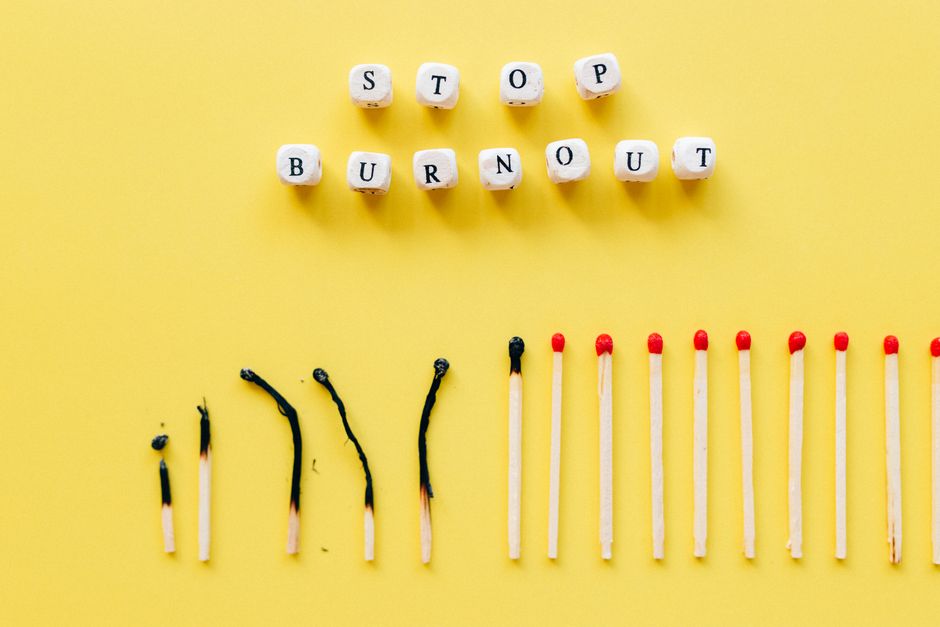
Burnout is a specific outcome of chronic work stress. The World Health Organization recognizes it as an occupational phenomenon. It includes three symptoms: exhaustion, cynicism about work, and reduced performance. Burnout does not go away with a weekend off. It requires real changes to your workload and lifestyle.
How Does Stress Change Your Behavior and Daily Habits?
Stress changes what you do, not just how you feel. Many people turn to unhealthy coping mechanisms. Alcohol use increases. Smoking or vaping starts or gets worse. Eating fast food becomes a daily habit instead of an occasional treat.
Exercise is one of the first things people drop when stressed. You feel too tired. You feel like you have no time. But skipping exercise makes stress worse because you lose one of the most effective natural stress relievers.
Social withdrawal is common. You cancel plans. You stop returning calls. You isolate yourself because interacting with people feels exhausting. This makes things worse because social support is a proven buffer against stress.
Procrastination increases. When you feel overwhelmed, putting things off feels like relief. But it creates more stress later when deadlines pile up. You get stuck in a loop of avoiding work and then panicking about the work you avoided.
What Does Research on Long-Term Stress Show?
The evidence on chronic stress is strong and consistent. A landmark study published in The Lancet followed over 68,000 adults for nearly 30 years. It found that people with high stress levels had a significantly higher risk of dying from cardiovascular disease.
Research from the University of California, San Francisco, looked at telomeres — the protective caps at the ends of your chromosomes. They shorten as you age. The study found that women under chronic stress had shorter telomeres, equivalent to ten years of additional aging.
A large review in JAMA Internal Medicine analyzed 293 studies. It found that chronic stress was linked to a 50% increased risk of developing coronary heart disease. The connection held even after controlling for smoking, diet, and exercise.
The CDC lists stress as a contributing factor to seven of the ten leading causes of death in the United States. This includes heart disease, cancer, stroke, and diabetes. The mechanism is not always direct. Stress leads to behaviors that harm health, and it also creates biological changes that increase disease risk.
| Body System | Effect | Evidence Strength |
|---|---|---|
| Cardiovascular | High blood pressure, increased heart attack risk | Strong — multiple large studies |
| Immune | Higher infection rates, slower healing | Strong — clinical trials confirm |
| Brain | Memory problems, reduced hippocampus size | Strong — brain imaging studies |
| Digestive | IBS, heartburn, altered bowel habits | Moderate — observational studies |
| Mental Health | Anxiety, depression, burnout | Strong — epidemiological research |
What Actually Helps Reduce the Negative Effects of Stress?
Not all stress management advice is backed by evidence. Some popular suggestions do more harm than good. Here is what research actually supports.
Physical activity is one of the most effective tools. The Anxiety and Depression Association of America states that exercise lowers cortisol and releases endorphins. Even a 20-minute walk can make a difference. Consistency matters more than intensity.
Sleep hygiene is critical. Going to bed and waking up at the same time every day helps regulate your stress hormones. Avoiding screens for an hour before bed improves sleep quality. The National Sleep Foundation recommends keeping your bedroom cool, dark, and quiet.
Social connection is a real stress buffer. Talking to someone you trust lowers cortisol levels. A study in Psychoneuroendocrinology found that people who had a supportive partner had a smaller cortisol response to stressful tasks. Isolation does the opposite.
Mindfulness and meditation have solid evidence. A review of 47 studies in JAMA Internal Medicine found that mindfulness meditation programs reduced symptoms of anxiety and depression. The effect was moderate but consistent. It takes regular practice, not just one session.
Therapy works. Cognitive behavioral therapy is the most studied approach. It helps you identify thought patterns that keep you stuck in stress cycles. The American Psychological Association lists CBT as an effective treatment for stress-related disorders.
Diet matters. High sugar intake spikes cortisol. Processed foods increase inflammation. A diet rich in vegetables, whole grains, and lean protein supports a more stable stress response. The gut-brain connection is real. What you eat affects how you feel.
- Exercise — Lowers cortisol, improves mood, works within minutes
- Sleep routine — Regulates hormone cycles, restores brain function
- Social support — Buffers stress response, proven in studies
- Therapy — CBT has the strongest evidence for stress reduction
- Diet changes — Less sugar, more whole foods stabilizes mood
Common Misconceptions About Stress
One major myth is that stress is only mental. This is wrong. The physical effects are measurable and dangerous. Your body does not distinguish between a real threat and a perceived one. Worrying about money triggers the same biological response as running from a predator.
Another myth is that some people thrive on stress. Some people are more resilient, but no one thrives on chronic stress. The idea of the “stress is fuel” mindset ignores the damage happening under the surface. Short bursts of stress can improve performance. Constant stress does not.
A third myth is that relaxation techniques alone are enough. Deep breathing and yoga help, but they do not fix the root cause. If your job, relationships, or finances are the source of stress, you need to address those directly. Relaxation is a bandage, not a cure.
The most dangerous myth is that stress is unavoidable and you just have to accept it. Many sources of stress are avoidable or changeable. Setting boundaries at work, saying no to extra commitments, and leaving toxic situations are all valid options. Accepting stress as normal keeps you stuck in a harmful cycle.
Frequently Asked Questions
Can stress cause permanent damage to your brain?
Chronic stress can cause lasting changes to brain structure, including shrinkage of the hippocampus. Some damage may reverse once stress is reduced, but long-term effects can persist.
How long does it take for stress symptoms to go away?
Acute stress symptoms fade within minutes to hours after the stressor ends. Chronic stress symptoms can take weeks or months of consistent lifestyle changes to improve.
Is all stress bad for you?
No. Short-term stress improves focus and performance. It becomes harmful only when it is constant and never gives your body a chance to recover.
What is the fastest way to lower stress physically?
Deep breathing exercises can lower heart rate within minutes. Inhale for four seconds, hold for four, exhale for four. This activates the parasympathetic nervous system directly.
