
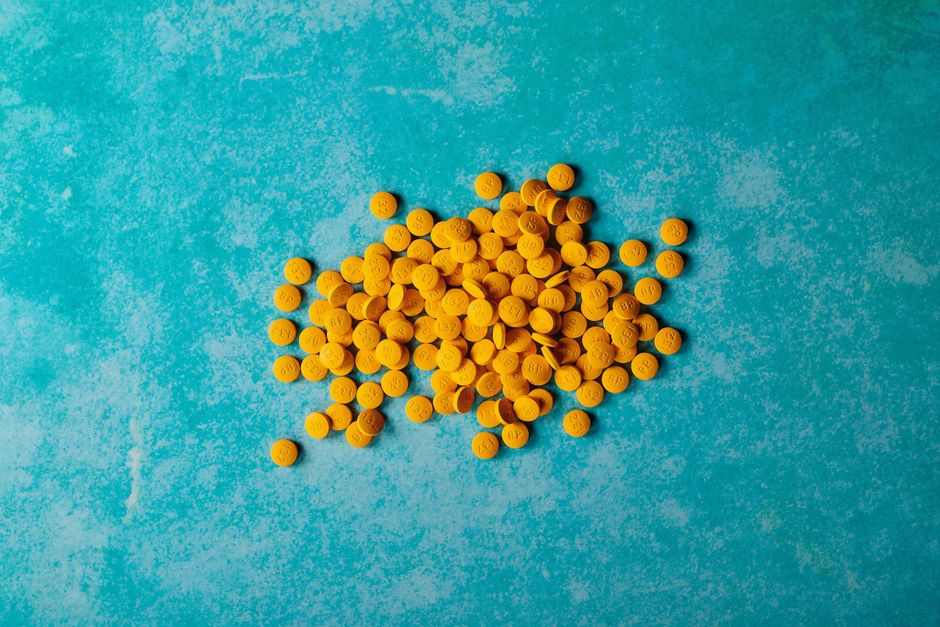
CBD edibles are food products infused with cannabidiol (CBD), a compound from the hemp plant. They include gummies, chocolates, baked goods, and drinks. Unlike THC, CBD does not cause a high. People use edibles for potential relief from anxiety, pain, and sleep issues. The effects depend on the dose, your body chemistry, and the type of edible you choose.
What Are CBD Edibles Exactly?
CBD edibles are any food or drink that contains CBD. The CBD is extracted from hemp and then added to the product. This makes them a simple way to take CBD without measuring oils or holding tinctures under your tongue.
The most common types are gummies, which come in many flavors and shapes. You also see chocolates, hard candies, baked goods like cookies, and beverages like sparkling water or tea. Capsules and softgels are technically edibles too, though people often group them separately.
One key point: edibles must pass through your digestive system. This changes how your body absorbs the CBD compared to vaping or sublingual oils. The effects take longer to start but also last longer.
What Are the Different Types of CBD Edibles?
Not all CBD edibles are the same. The main difference is what type of CBD extract they use. This affects what you feel and how it works.
| Type | What It Contains | Common Use |
|---|---|---|
| Full-Spectrum | All hemp compounds including trace THC (under 0.3%) | People who want the “entourage effect” from all plant compounds |
| Broad-Spectrum | Multiple cannabinoids but no THC | Those who want benefits from multiple compounds but avoid THC |
| CBD Isolate | Pure CBD only, no other cannabinoids | People who want precise dosing and no THC risk |
Full-spectrum products may have a slight earthy taste from the plant compounds. Isolate products are usually flavorless, which makes them popular in gummies and candies. Broad-spectrum sits in between.
How Do You Dose CBD Edibles?
Dosing is where most people get confused. There is no official recommended dose from the FDA. What works for one person may be too much or too little for another.
Start low and go slow. This is the standard advice from most CBD brands and experienced users. A common starting dose is 5 to 10 milligrams of CBD. Wait at least two hours before taking more. Edibles take time to digest and hit your system.
Research published in The Permanente Journal found that many people used 25 to 75 milligrams daily for anxiety and sleep. But that study was small and not a clinical trial. Your ideal dose depends on your body weight, metabolism, and why you are taking it.
A few practical tips:
- Check the label for total CBD per package and per piece
- Cut gummies in half if needed for a smaller dose
- Keep a simple journal of dose and effects for the first week
- Do not take more just because you do not feel anything after 30 minutes
Some people report needing higher doses for chronic pain than for general anxiety. But strong evidence for specific dose guidelines is still limited.



What Effects Do CBD Edibles Have?
The effects of CBD edibles are subtle for most people. You do not feel “high” or intoxicated. Instead, people often describe a sense of calm or relaxation.
For anxiety, some users report feeling less on edge within one to two hours. A 2019 study in The Brazilian Journal of Psychiatry found that 300 milligrams of CBD reduced anxiety during a public speaking test. But that was a single high dose in a controlled setting, not the same as daily low-dose edibles.
For sleep, the effect is usually indirect. People who take CBD for anxiety often find they sleep better because they are less anxious. There is less evidence that CBD directly makes you sleepy like a sedative.
For pain, some studies suggest CBD may reduce inflammation. A 2018 review in Frontiers in Pharmacology noted that animal studies show promise for pain relief. Human studies are still limited and results are mixed.
The effects last longer with edibles than other forms. You may feel the effects for four to six hours. The peak usually happens around two to three hours after eating.
What Are the Side Effects and Risks?
CBD is generally well-tolerated, but side effects do happen. The most common ones reported in studies are fatigue, diarrhea, and changes in appetite or weight.
Dry mouth is another frequent complaint. CBD can temporarily reduce saliva production. Drinking water usually helps.
There is one important risk that does not get enough attention: CBD can interact with prescription medications. The FDA has warned that CBD affects how the liver processes certain drugs. This includes blood thinners like warfarin and some seizure medications.
If you take any prescription medication, talk to your doctor before trying CBD edibles. This is not optional. The interaction risk is real and documented.
Another concern is product quality. The FDA does not regulate CBD edibles the same way it regulates drugs. A 2020 study in JAMA Network Open found that many CBD products were mislabeled. Some had less CBD than claimed. Others had more. A few even contained THC when the label said none.
Buy from brands that provide third-party lab testing. The lab report should show the actual CBD content and confirm no heavy metals or pesticides. This is the only way to know what you are actually taking.
Common Misconceptions About CBD Edibles
One of the biggest myths is that more CBD means better results. This is not true. Higher doses can sometimes make side effects worse without giving more benefit. Some research actually suggests that moderate doses work better than very high doses for certain conditions.
Another myth is that CBD edibles work instantly. They do not. Because they go through your digestive system, it takes time. Do not expect to feel anything in the first 30 minutes. If you take more because you do not feel it yet, you may end up taking too much.
Some people also believe that all CBD edibles are legal everywhere. This is not entirely true. The 2018 Farm Bill made hemp-derived CBD with less than 0.3% THC legal at the federal level. But individual states have their own laws. Some states restrict CBD in food and drinks. Check your local laws before buying.
There is also a widespread claim that CBD cures diseases. As of 2026, there is no clinical evidence that CBD cures cancer, Alzheimer’s, or any serious disease. The FDA has only approved one CBD-based drug, Epidiolex, for certain rare seizure disorders. Everything else is still being studied.
What to Avoid When Buying CBD Edibles
Avoid products that make medical claims on the label. If a package says it “cures” or “treats” a disease, it is breaking FDA rules. Legitimate brands do not make these claims.
Watch out for vague labels. A product that says “hemp extract” without specifying the CBD amount is not transparent. You have no idea how much CBD you are getting.
Be cautious with products sold at gas stations or convenience stores. These are less likely to have third-party testing. Stick with brands that have a clear website, lab reports you can access, and a phone number or email for customer service.
Also avoid edibles that are extremely cheap. Quality CBD costs money to produce. If a jar of 30 gummies costs five dollars, something is wrong. It may contain little to no actual CBD.
Frequently Asked Questions
How long do CBD edibles take to work?
Most people feel effects within 30 minutes to two hours. It depends on your metabolism and whether you ate recently.
Can you take CBD edibles every day?
Yes, many people take them daily. There is no evidence that daily use at normal doses is harmful, but long-term studies are still limited.
Will CBD edibles show up on a drug test?
Full-spectrum edibles with trace THC can cause a positive result. Broad-spectrum and isolate products are less likely to, but contamination is possible.
What is the best type of CBD edible for beginners?
Gummies with CBD isolate or broad-spectrum extract are a good start. They have consistent dosing and no THC risk.
