
If you want to know when you are ovulating, the most reliable signs are a change in your cervical mucus, a small rise in your resting body temperature that stays up for several days, and sometimes mild one-sided pelvic pain. Ovulation is the release of an egg from an ovary, and it usually happens about midway through your cycle. Tracking two or more of these signs together gives you a much clearer picture than watching for any single one.
What Actually Happens During Ovulation?
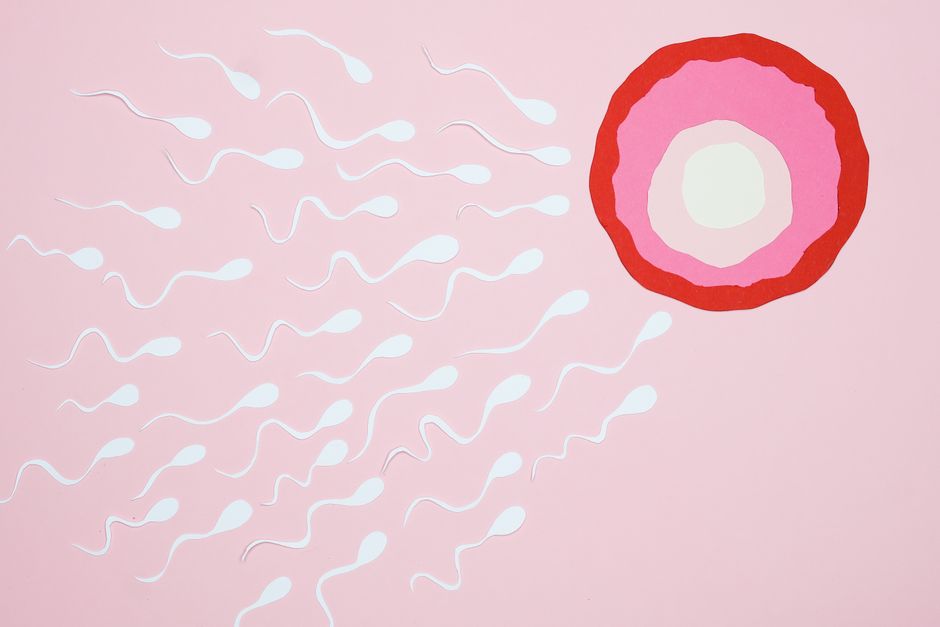
Ovulation is the main event of your menstrual cycle. An egg matures inside a fluid-filled sac called a follicle in one of your ovaries. When the egg is ready, the follicle ruptures and releases it. The egg then travels into the fallopian tube, where it can be fertilized for roughly 12 to 24 hours.
This whole process is driven by hormones. Rising estrogen builds up the lining of the uterus and triggers a surge in luteinizing hormone, or LH. That LH surge is what causes the follicle to release the egg. It typically happens about 24 to 36 hours before ovulation itself.
After the egg is released, the empty follicle becomes a structure called the corpus luteum. It produces progesterone, which raises body temperature slightly and prepares the uterus for a possible pregnancy. If no pregnancy occurs, hormone levels fall and the cycle starts again.
One detail worth knowing: ovulation does not always happen on day 14. That number is a rough average based on a 28-day cycle. Cycle length varies a lot between people, and even in the same person from month to month.
How Can I Tell When Im Ovulating Key Signs?
The clearest physical sign is a change in cervical mucus. As estrogen rises before ovulation, your mucus becomes clear, slippery, and stretchy, a lot like raw egg white. It may stretch an inch or more between your fingers. This type of mucus helps sperm survive and move, and it is the sign most people can notice without any equipment.
Right after ovulation, that mucus tends to become thicker, stickier, or drier. So the shift from wet and stretchy to dry and tacky is often a sign that ovulation has just passed.
Other common signs include:
- A slight rise in basal body temperature, usually a few tenths of a degree, that stays elevated until your next period
- Mild pain or a dull ache on one side of the lower belly, sometimes called mittelschmerz
- Breast tenderness or a change in how your breasts feel
- A higher sex drive
- Light spotting in some people
- More sensitive smell, in some cases
No single sign proves ovulation happened. Cervical mucus tells you the body is preparing for it. Temperature confirms it after the fact. Used together, they are far more useful than either alone.
What Does Cervical Mucus Tell You?
Cervical mucus is one of the most practical signs to track because you can check it any time. You can look at what is on your underwear or toilet paper, or feel the mucus at the opening of the vagina with clean fingers.
In the days before ovulation, it usually becomes:
- Clear rather than cloudy or white
- Slippery and wet
- Stretchy, like egg white
- More plentiful
After ovulation, progesterone changes the mucus again. It often becomes thicker, less stretchy, and may look more like lotion or paste. Some people notice very little mucus at all in the days after ovulation.
This method is not perfect. Arousal fluid, semen, and some vaginal infections can all be confused with fertile mucus. If you are tracking for pregnancy or to avoid it, mucus alone is not enough. Combining it with temperature and, if you choose, ovulation test strips gives you a much more reliable picture.





How Does Basal Body Temperature Work?
Basal body temperature is your resting temperature, taken right after you wake up and before you get out of bed. It rises slightly after ovulation because of progesterone. That rise usually stays in place until your next period begins.
The catch is timing. Temperature rises after the egg is released, not before. So it confirms that ovulation has happened, but it does not warn you in advance. By the time you see the shift, your most fertile window may already be closing.
To use this method, you need to take your temperature at the same time every morning, ideally after at least three hours of sleep, and record it. A single high reading means little. What matters is the pattern across your whole cycle. Stress, illness, alcohol, and poor sleep can all throw off a reading.
A rise of a few tenths of a degree that holds for three days or more is the typical sign that ovulation occurred. The exact number varies from person to person, so you are looking for your own pattern, not a universal threshold.
Can Ovulation Tests Help?
Ovulation predictor kits check your urine for the LH surge that comes before ovulation. They can detect that surge roughly a day or two before the egg is released, which is more useful for planning than temperature alone.
These tests are generally reliable for many people, but they have limits. They can miss the surge if you test at the wrong time of day, and some people with certain conditions, such as polycystic ovary syndrome, may get positive results without actually ovulating. If you have irregular cycles or a known hormonal condition, talk to a clinician about what these results mean for you.
What Other Signs Might You Notice?
Some people feel a distinct twinge or ache on one side of the lower abdomen around the time of ovulation. This is called mittelschmerz. It is usually mild and lasts from a few minutes to a day or two. It does not happen to everyone, and the side can switch from month to month.
Hormone shifts around ovulation can also affect mood, energy, and libido. Some people notice more breast sensitivity or a brief change in appetite. These signs are real but not specific enough to rely on alone, since they overlap with other parts of the cycle and with everyday stress.
It is also common to see a small amount of clear or slightly pink discharge around ovulation. If discharge is heavy, foul-smelling, or accompanied by itching or pain, that is a different situation and worth checking with a clinician.
How Accurate Are These Signs Together?
No single method is fully reliable on its own. Combining signs improves accuracy, but none of them is a guarantee. Cervical mucus can be affected by infections or arousal fluid. Temperature can be thrown off by sleep, illness, or alcohol. LH tests can miss the surge or give false positives in some conditions.
If you are trying to conceive and have been tracking for several months without success, or if your cycles are very irregular, a clinician can help. They may recommend blood tests to confirm ovulation or other evaluations. This is a normal step, not a sign that something is wrong.
If you are trying to avoid pregnancy, tracking ovulation signs is not a highly reliable birth control method on its own. Some people use fertility awareness methods successfully, but these require training, consistency, and often a backup method. Discuss options with a healthcare provider to find what fits your situation.
When Should You Talk to a Doctor?
Talk to a clinician if your cycles are consistently shorter than 21 days or longer than 35 days, if you have no periods for several months, or if you have bleeding between periods. These can point to hormonal or other issues worth evaluating.
Also check in if you have severe pelvic pain, pain during sex, or unusual discharge. These are not typical ovulation signs and may indicate something else. Tracking your cycle is useful information to bring to that visit.
Frequently Asked Questions
How many days after ovulation can you get pregnant?
The egg can be fertilized for roughly 12 to 24 hours after it is released. Because sperm can survive in the reproductive tract for several days, the fertile window starts a few days before ovulation and ends about a day after.
Can you ovulate without noticing any signs?
Yes, many people ovulate with no noticeable symptoms at all. Cervical mucus changes and temperature shifts can be subtle, and some people simply do not feel mittelschmerz or other signs.
Is clear stretchy discharge a sure sign of ovulation?
It is a strong sign that your body is preparing for ovulation, but it is not proof. Arousal fluid and some infections can look similar, so combining it with temperature or LH tests gives a clearer answer.
Does a temperature rise mean you already ovulated?
Yes, the temperature rise usually happens after the egg is released, so it confirms ovulation has occurred rather than predicting it. That is why it is less useful for planning intercourse in advance.
