
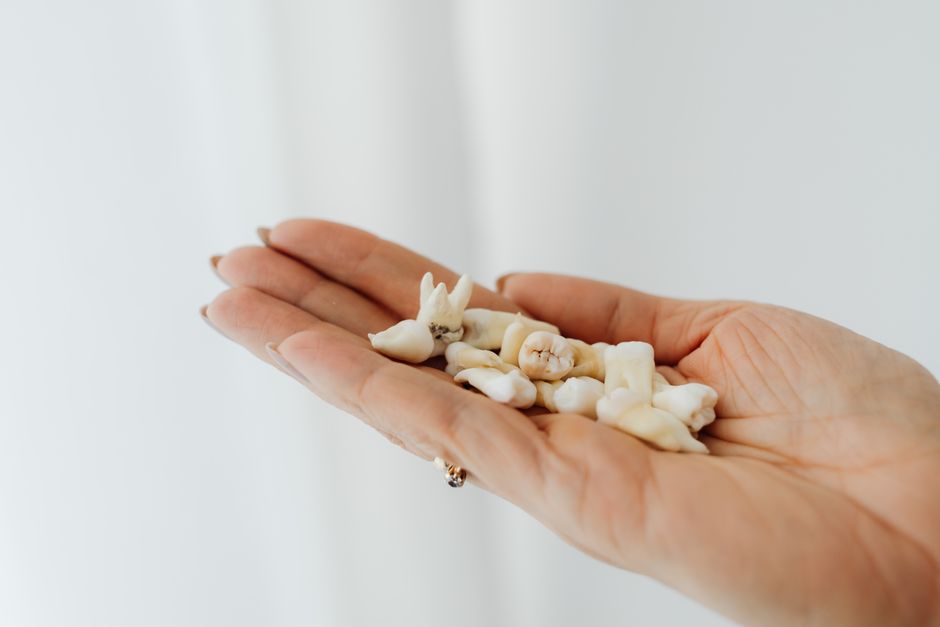
You cannot always feel a dead tooth. Sometimes the pain stops because the nerve is gone. But the infection can still spread. Look for a tooth that turns gray, brown, or black. It may also hurt when you bite or feel tender near the gum. A dentist must check it. Do not wait for pain.
What Does It Mean When a Tooth Is “Dead”?
A dead tooth has no living pulp inside. The pulp is the soft core of the tooth that contains nerves and blood vessels. When the blood supply stops, the pulp dies. This is called pulp necrosis.
Several things can kill a tooth. Deep decay or a large cavity can let bacteria reach the pulp. Trauma from a fall or a blow can snap the blood vessels. Repeated dental work on the same tooth can also reduce circulation. Once the pulp dies, it cannot come back.
The tooth itself is not dead like a bone. The hard outer enamel and dentin may still be intact. But the living tissue inside is gone. Bacteria can multiply in the empty space and cause an infection.
How To Tell If A Tooth Is Dead?
The most common sign is a change in color. A dead tooth often turns yellow, gray, brown, or black. This happens because the dead tissue inside breaks down and discolors the dentin. The enamel may also look duller than nearby teeth.
Pain can be confusing. Some dead teeth hurt a lot, especially when the nerve is dying. The pain may be sharp when you bite down or linger after hot or cold foods. Once the nerve is completely dead, the pain may stop. That does not mean the problem is gone.
Other signs include:
- Bad taste in the mouth or bad breath from infection byproducts
- Swelling or a pimple-like bump on the gum near the tooth root
- Sensitivity to tapping or pressure
- A loose feeling even though the tooth looks solid
If you have any of these signs, see a dentist. No home test can confirm a dead tooth. Only a dental exam and X-rays can tell for sure.
Can a Dead Tooth Cause Problems Without Pain?
Yes. Many dead teeth cause no pain at all. The nerve dies quietly, but bacteria can still spread into the jawbone. This is called a silent infection.
Over weeks or months, the infection can form an abscess. An abscess is a pocket of pus at the tooth root. It can cause swelling, fever, and even bone loss around the tooth. In rare cases, the infection can spread to other parts of the body.
A dead tooth can also crack more easily because the dentin becomes brittle without blood supply. A cracked tooth can break and make treatment harder.
If you had a tooth injury years ago and it turned dark but never hurt, it may still be dead and infected. A dentist can check it with an X-ray to see if there is bone loss or a cyst.





What Should You Do If You Think a Tooth Is Dead?
Make an appointment with a dentist. They will take an X-ray and test the tooth. The two main treatments are root canal or extraction.
A root canal removes the dead pulp, cleans the inside, and seals the tooth. After a crown, the tooth can last many years. Most dentists prefer this if the tooth is strong enough.
Extraction is needed if the tooth is too damaged or if there is not enough bone left. After removal, options include a bridge, implant, or partial denture to replace it.
Antibiotics alone cannot fix a dead tooth. They can treat the infection temporarily, but the dead pulp stays inside and will get infected again. You still need a root canal or extraction.
Pain relievers like ibuprofen or acetaminophen can help with discomfort, but they do not treat the cause. Do not delay treatment. The longer you wait, the more damage can happen.
Can a Dead Tooth Heal on Its Own?
No. Once the pulp is dead, it cannot heal itself. The tooth cannot regrow blood vessels or living tissue inside.
Sometimes the pain goes away for weeks or months. This can fool people into thinking the tooth is fine. In reality, the infection may just be draining into the gum, which gives temporary relief. But the bacteria remain in the root canal system.
Some teeth that die slowly due to trauma may calcify internally and seem to get better. The pulp chamber shrinks and the tooth may not get infected. However, these teeth are still dead and may discolor or become brittle. A dentist should still monitor them.
If you have a dead tooth, treatment is the only reliable option. Waiting does not make it go away.
How Is a Dead Tooth Diagnosed?
Dentists use several methods to tell if a tooth is dead. A visual exam looks for color changes, swelling, or a sinus tract (a small bump on the gum).
X-rays show bone loss around the root or a dark area at the tip of the root. This dark spot is where infection has destroyed bone. It is a clear sign that the pulp is dead.
Cold tests are common. The dentist places a cold substance (like ice or a cold spray) on the tooth. A normal tooth will feel cold briefly. A dead tooth feels nothing or has an unusually long dull ache after the cold is removed.
Electric pulp testers send a small, painless pulse through the tooth. A living nerve will react with a tingling sensation. A dead nerve will not react. These tests are reliable for most teeth, but can be less accurate in teeth with large fillings or crowns.
Percussion testing taps on the tooth. A dead tooth often hurts when tapped because the infection has irritated the ligament around the root.
Frequently Asked Questions
Can a dead tooth cause bad breath?
Yes. The dead tissue inside the tooth can breed bacteria that release sulfur compounds, causing bad breath.
Does a dead tooth always hurt?
No. Many dead teeth cause no pain because the nerve is gone, but an infection can still be present.
How long can you leave a dead tooth?
You should not leave it untreated. Infections can spread within weeks to months, causing abscesses and bone loss.
Can a root canal save a dead tooth?
Yes. A root canal removes the dead pulp and seals the tooth, allowing it to stay in place for many years with proper care.
