
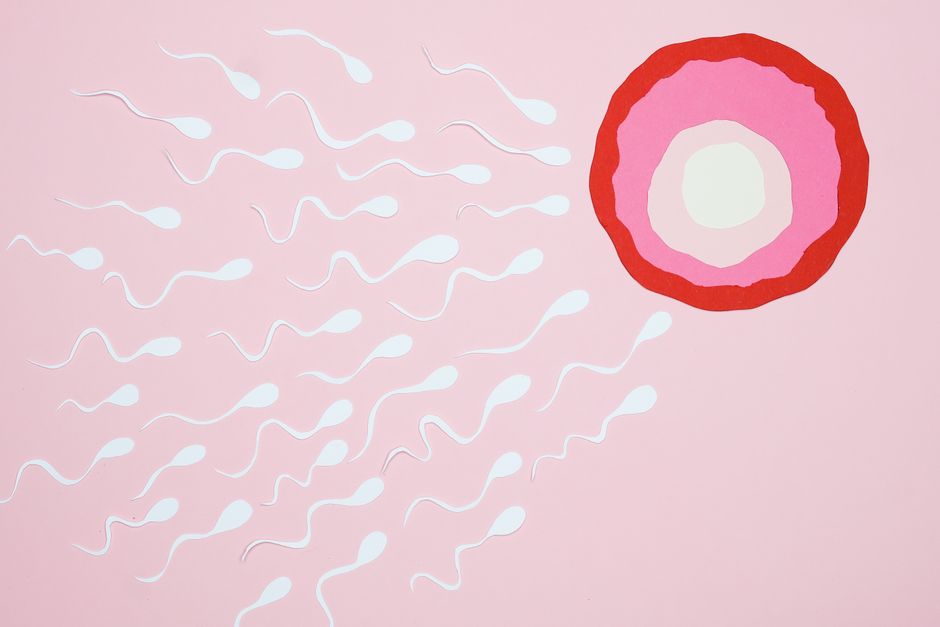
If you are ovulating, Plan B (levonorgestrel emergency contraception) will not prevent pregnancy. It works by delaying ovulation, but once your ovary has released an egg, there is nothing for it to delay. Sperm can survive in the reproductive tract for up to five days, so if you had unprotected sex before or during ovulation, the egg is already available for fertilization. The only emergency contraceptive that works after ovulation has started is the copper IUD.
How Does Plan B Work to Prevent Pregnancy?
Plan B contains a high dose of levonorgestrel, a synthetic hormone similar to progesterone. Its main job is to stop or delay the release of an egg from your ovary. If no egg is released, sperm have nothing to fertilize, and pregnancy cannot start.
The medication does not work after fertilization has occurred. It cannot disrupt an implanted pregnancy or cause an abortion. It also does not prevent sexually transmitted infections. Its entire effectiveness depends on timing relative to ovulation, not on how quickly you take it after sex.
Does Plan B Work if You Are Already Ovulating?
No. Once ovulation has begun — meaning the egg has left the follicle — there is no way for levonorgestrel to prevent its release. The medication’s mechanism is to block ovulation, not to affect the egg or sperm after release.
Some studies suggest that if you take Plan B very close to the start of the luteinizing hormone (LH) surge (which triggers ovulation), it may still work in some cases by delaying ovulation by a few hours. But the clinical bottom line is: if you are in the fertile window and ovulation has occurred or is about to occur within the next 12 to 24 hours, Plan B is unlikely to prevent pregnancy. The copper IUD is the only emergency contraceptive proven to work after ovulation is underway.
How Can You Tell if You Are Ovulating?
Ovulation usually happens once per cycle, about 14 days before your next period. But cycle lengths vary, so predicting the exact day is not easy. Common signs include:
- Thin, stretchy, clear cervical mucus (like egg whites)
- A brief twinge of pain on one side of the lower abdomen
- A rise in basal body temperature (seen only with daily tracking)
- A positive ovulation predictor kit (OPK) test
Even with these signs, you cannot know for sure that ovulation has not yet happened until you see a sustained temperature rise and changes in mucus. By the time you notice fertile mucus, you may already be approaching ovulation. If you are relying on symptoms alone, consider that the day of ovulation plus the two days before it are the most fertile days.



What If You Are Unsure About Ovulation Timing?
If you have unprotected sex and you are not certain whether you have ovulated, take Plan B as soon as possible. It cannot hurt, and if you are still in the pre-ovulatory window, it may prevent pregnancy. The standard recommendation is to take it within 72 hours, but it works best in the first 24 hours.
However, if you know you are in your fertile window or have already seen signs that ovulation is occurring (like a positive OPK or egg-white mucus that has become thick again), Plan B is not a reliable option. In that situation, the copper IUD inserted within 5 days of unprotected sex is the most effective emergency contraception, regardless of where you are in your cycle.
Are There Other Emergency Contraception Options?
Yes. Ulipristal acetate (brand name ella) is a different type of emergency contraceptive that can delay ovulation even when taken closer to the LH surge than levonorgestrel. Some research suggests it may still work just before ovulation, but it also does not work if ovulation has already occurred.
The copper IUD (ParaGard) is the only method that works after ovulation. It creates a toxic environment for sperm and prevents implantation if fertilization has occurred. It is over 99% effective when inserted within 5 days of unprotected sex, regardless of where you are in your cycle.
Oral emergency contraceptives are available over the counter for people of any age in the United States. The copper IUD requires a visit to a healthcare provider.
How to Use Plan B Effectively
Plan B is most effective when you take it within the first 24 hours after unprotected sex. Even though the label says 72 hours, effectiveness declines as time passes. If you take it after 72 hours, it may not prevent pregnancy at all.
One dose is all you need. Do not take extra pills thinking it will work better — it increases side effects like nausea and irregular bleeding without improving effectiveness. Plan B can be taken at any point in your menstrual cycle, but if you are close to ovulation, it simply will not work.
After taking Plan B, your next period may come early or late. If your period is more than 7 days late, take a pregnancy test.
Frequently Asked Questions
Can Plan B cause a period to come early?
Yes. The high dose of hormones can throw off your cycle, causing bleeding earlier or later than expected.
What happens if I take Plan B while ovulating?
It will not delay ovulation, so the risk of pregnancy remains high. You may also experience nausea or spotting.
How long after ovulation does Plan B stop working?
It stops working once your LH surge begins and ovulation is triggered. There is no precise cutoff in hours, but by the time ovulation is underway, it is ineffective.
Is ella more effective than Plan B near ovulation?
Some evidence suggests ulipristal acetate may work slightly closer to the time of ovulation than levonorgestrel, but it also does not work after ovulation has started.
