
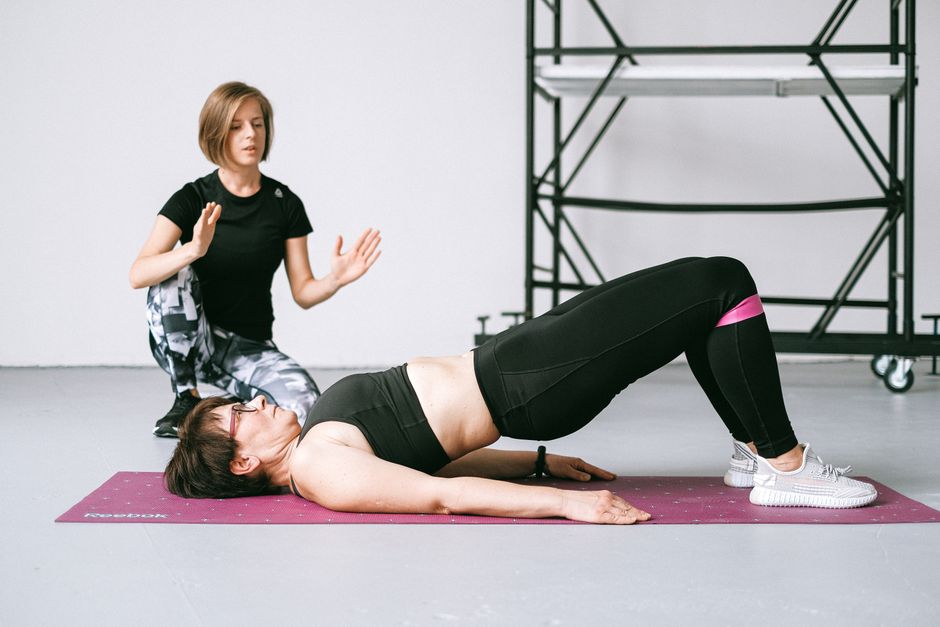
Your pelvic floor is a sling of muscle and connective tissue that sits at the base of your pelvis, holding up your bladder, bowel, and — in women — your uterus. Strengthening it means training those muscles the same way you would train any other muscle: with targeted contractions done correctly and repeated consistently over weeks to months. Pelvic floor muscle training (often called Kegel exercises) is the most studied approach, and it is the first-line treatment most clinicians recommend for common pelvic floor problems. The catch is that doing them correctly matters more than doing them often.
What Is the Pelvic Floor and What Does It Actually Do?
The pelvic floor is a group of muscles that forms a bowl-shaped support at the bottom of the abdominal cavity. Both men and women have one. It has three main jobs.
First, it supports the pelvic organs from below. Second, it controls when you urinate and pass stool by contracting and relaxing around the urethra and anus. Third, it contributes to sexual function and, in women, plays a role during childbirth.
When these muscles are weak, stretched, or poorly coordinated, the result is not always the same. Some people leak urine. Some feel heaviness or pressure. Some have trouble emptying their bladder or bowel. Others have no symptoms at all.
One important point that gets lost: a “weak” pelvic floor and a “tight” pelvic floor can produce overlapping symptoms. Muscles that are too tense or in spasm can also cause leakage, pain, or urgency. Kegel exercises are designed to strengthen, not to relax. If your pelvic floor is overactive rather than weak, doing strengthening exercises can make things worse. That is why assessment by a clinician — ideally a pelvic floor physical therapist — matters before you start.
How Can I Strengthen My Pelvic Floor Muscles?
Pelvic floor muscle training is the core method. The basic exercise is a deliberate contraction of the muscles you would use to stop the flow of urine midstream or to hold back gas. You squeeze, hold briefly, then fully release.
Here is the general approach most physical therapists use:
- Find the right muscles. The sensation is a lift and squeeze inward, not a clench of your buttocks, thighs, or abdomen.
- Contract and hold. Squeeze and hold for a few seconds. Start shorter if you cannot hold that long.
- Fully relax for the same amount of time before the next repetition. Rest is part of the exercise.
- Repeat in sets — typically a set of around 8 to 12 contractions, done a few times a day.
Those numbers reflect common clinical practice, not a single fixed prescription. The right dose varies by person and by what is being treated. A physical therapist can tailor it.
Two things commonly go wrong. The first is breath-holding. You should be able to breathe normally while contracting. The second is using the wrong muscles — bearing down instead of lifting, or squeezing the glutes and abs instead of the pelvic floor.
A widely used method is sometimes called “the knack.” It means contracting the pelvic floor just before and during a cough, sneeze, laugh, or lift. This is a learned skill, and research suggests it can reduce leakage in people who use it consistently.
How Do I Know If I’m Doing Kegels Correctly?
Getting the technique right is where most people struggle, and it is the main reason home exercises sometimes fail.
One way to check: while urinating, try to stop the flow. If you can slow or stop it, you have found the muscles. Do this only once or twice to identify them — not as a regular exercise. Regularly stopping urine midstream can interfere with normal bladder emptying.
Another check is to place a hand on your abdomen and buttocks. When you contract correctly, those areas should stay relaxed. If you feel your belly tightening or your buttocks squeezing, you are compensating.
The most reliable feedback comes from a clinician. A pelvic floor physical therapist can assess your technique, measure your strength, and identify whether your problem is weakness, tightness, or poor coordination. Some use biofeedback, which shows you a signal on a screen when you contract the right muscles.
If you have been doing Kegels for several weeks with no change, the problem is often technique rather than effort. That is a reason to get assessed rather than to push harder.





How Long Does It Take to See Results?
Pelvic floor training is not fast. Most people need to practice for several weeks before noticing a difference, and meaningful improvement often takes a few months of consistent work.
The muscles respond to training the way skeletal muscle does — through repeated load over time. Skipping days slows progress. Consistency matters more than intensity.
If you have been training consistently for a few months with no improvement, that is a signal to seek a professional assessment. It does not necessarily mean the approach cannot work for you. It may mean the diagnosis or the technique needs to be reconsidered.
What Else Helps Besides Kegels?
Pelvic floor training is the foundation, but a few other factors affect how well the muscles function.
Managing constipation matters. Straining to pass stool puts repeated downward pressure on the pelvic floor. Getting enough fiber and fluid, and not ignoring the urge to go, reduces that strain.
Managing weight is relevant because excess body weight increases pressure on the pelvic floor. This is a contributing factor, not a moral judgment, and even modest changes can reduce load.
Avoiding chronic heavy lifting without proper technique helps. If you lift weights or do physical work, learning to coordinate your breath and pelvic floor with the lift reduces strain.
Not smoking reduces chronic coughing, which is a repeated source of downward pressure.
Some people use devices or apps marketed for pelvic floor training. The evidence for these varies widely. Some biofeedback and electrical stimulation devices are used in clinical settings under supervision. Many consumer products have little or no independent research behind them. No study has confirmed that most of these consumer devices outperform doing the exercises correctly on your own.
When Should I See a Doctor or Physical Therapist?
See a clinician if you have pelvic floor symptoms that affect your daily life. That includes leaking urine or stool, a feeling of heaviness or bulging, pain in the pelvis, or trouble emptying your bladder or bowel.
Seek care promptly if you have sudden inability to urinate, blood in your urine, or new severe pelvic pain. These are not things to manage with exercises alone.
Pelvic floor physical therapy is a specialized field, and it is not the same as general physical therapy. A trained therapist can assess strength, coordination, and muscle tone, and can tell the difference between a weak pelvic floor and an overactive one. That distinction changes the treatment entirely.
For women, pelvic floor changes are common after pregnancy and childbirth, and also around menopause. For men, pelvic floor problems often appear after prostate surgery. In both cases, targeted training is commonly recommended, and outcomes depend heavily on starting with an accurate assessment.
Can Strengthening the Pelvic Floor Cause Problems?
Yes, if the muscles are already overactive or in spasm. In that situation, strengthening exercises can increase pain, urgency, or difficulty emptying the bladder.
Signs that you may be overtraining or working with an overactive pelvic floor include pelvic pain, a feeling of tightness, pain with intercourse, or worsening symptoms after exercise. If any of these appear, stop and get assessed.
More is not better here. The pelvic floor is a small muscle group that also needs to relax fully between contractions. Rest and release are as important as the squeeze itself.
Frequently Asked Questions
How many Kegels should I do a day?
Most physical therapists suggest around 8 to 12 contractions per set, repeated a few times a day, but the right amount depends on your individual assessment. There is no single number that fits everyone, so a clinician can tailor the dose to your situation.
Can I strengthen my pelvic floor without doing Kegels?
Yes — pelvic floor training overlaps with core and hip exercises, and some approaches focus on coordination and posture rather than isolated squeezes. However, targeted pelvic floor muscle training remains the most studied method for common pelvic floor problems.
How do I know if my pelvic floor is weak or too tight?
You often cannot tell on your own, because weakness and tightness can cause similar symptoms like leakage or urgency. A pelvic floor physical therapist can assess muscle tone and coordination and distinguish between the two.
Do Kegels work for men too?
Yes. Men have a pelvic floor, and training it is commonly recommended, especially after prostate surgery. The technique and principles are the same as for women.
