
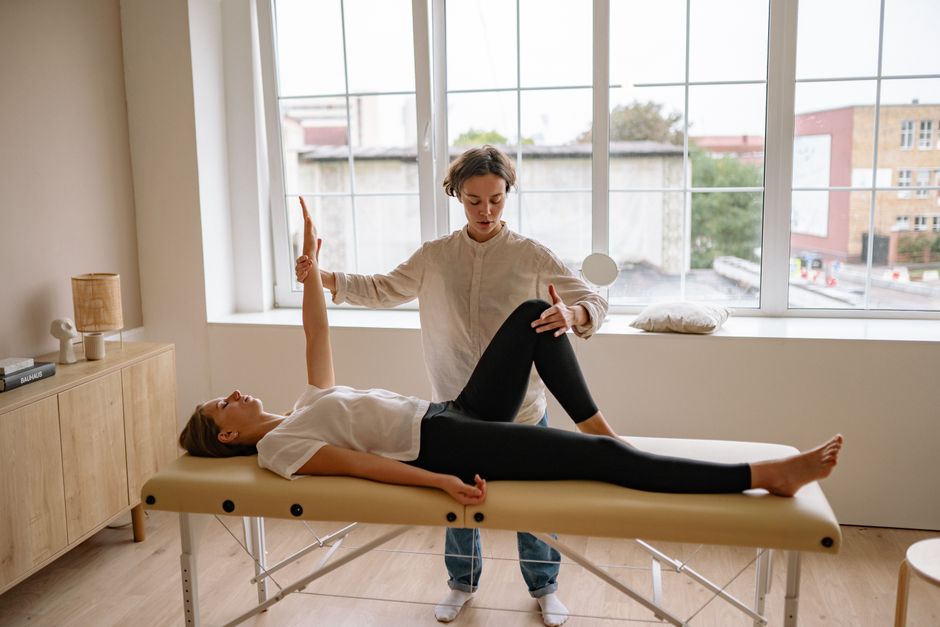
Back pain in teenagers is more common than most people think, and in most cases it is not a sign of serious disease. The best approach starts with finding out what is driving the pain, then using simple, evidence-based steps like staying active, adjusting how you sit and carry things, and building strength in the back and core. Most teenage back pain improves with these measures, but some symptoms need a doctor’s attention right away.
How Common Is Back Pain In Teenagers?
Back pain is one of the most frequent musculoskeletal complaints in adolescence. Surveys of adolescents in many countries have found that a substantial share report at least one episode of low back pain, and some report recurring pain that limits activity.
That number matters because it changes how you should think about the problem. Back pain in a teenager is usually not a rare warning sign. It is often a common, mechanical issue tied to growth, posture, activity levels, or strain.
The good news is that the large majority of cases in adolescents are what clinicians call nonspecific back pain. That means there is no identifiable structural disease causing it. The pain is real, but it is not coming from a tumor, infection, or fracture.
Boys and girls are both affected. Some studies suggest rates rise through the teen years, and that girls may report certain types of back pain more often than boys. The exact numbers vary widely between studies, so treat any single figure with caution.
What Usually Causes Back Pain In A Teenager?
Most teen back pain has a mechanical cause. The spine, muscles, and supporting tissues are being asked to do something they are not conditioned for.
Common contributors include:
- Sudden increases in activity, like starting a new sport or ramping up training
- Long periods sitting in one position, especially hunched over a phone or laptop
- Weak core and back muscles that cannot support the spine well during activity
- Heavy or poorly worn backpacks
- Rapid growth spurts, when bones lengthen faster than muscles and tendons adapt
- Poor sleep and high stress, which are linked to more pain reporting in teens
Growth itself is a real factor. During a growth spurt, the spine and surrounding tissues change quickly. Muscles and tendons may be relatively tight while bones are lengthening. This mismatch can produce discomfort, particularly in the mid-back and lower back.
Less commonly, there can be a specific structural cause. In adolescents, one that clinicians watch for is spondylolysis, a stress fracture in part of a vertebra. It is more common in teens who do a lot of repetitive back bending and twisting, such as gymnasts, dancers, and some athletes in football or weightlifting. It is not something you can diagnose yourself, and it usually requires imaging to confirm.
Scoliosis, a sideways curve of the spine, can also be associated with back pain, though many teens with scoliosis have no pain at all.
When Should A Teenager See A Doctor For Back Pain?
Most teen back pain can be managed at home, but some symptoms need medical evaluation. These are sometimes called red flags because they point to a possible serious cause.
See a doctor promptly if any of the following apply:
- Pain that started after a fall or injury, especially a hard impact
- Pain that wakes you from sleep or is worse at night
- Pain that is getting steadily worse over weeks
- Fever, chills, or unexplained weight loss along with the back pain
- Numbness, tingling, or weakness in the legs
- Problems with bladder or bowel control
- Pain that travels down a leg below the knee
- A visible curve in the spine or one shoulder higher than the other
- Pain that does not improve after several weeks of basic care
These signs do not mean something is definitely wrong. They mean a doctor should take a look. In adolescents, serious causes like infection or cancer are rare, but they exist, and they can be missed if symptoms are dismissed as ordinary growing pains.
Age matters too. Back pain that begins before age 10, or that has a clear structural cause on exam, deserves a closer look than pain that starts in an otherwise healthy older teen after a change in activity.





How To Relieve Back Pain As A Teenager: What Actually Helps
The core principle is to keep moving. Bed rest beyond a day or two tends to make back pain worse, not better. This is one of the most consistent findings in back pain research across all ages.
Here is what the evidence supports:
Stay active. Gentle movement keeps muscles from stiffening and helps the spine recover. Walking, swimming, and light cycling are usually well tolerated. Avoid the specific activity that triggered the pain until it settles, then reintroduce it gradually.
Use heat for muscle tightness. A warm shower or heating pad on a low setting can ease muscle spasm. Heat does not fix a structural problem, but it can make movement more comfortable.
Consider over-the-counter pain relief carefully. For short-term relief, some teens use acetaminophen or ibuprofen. Ibuprofen is a nonsteroidal anti-inflammatory drug, and it can irritate the stomach and should not be used long-term without medical advice. Check with a doctor or pharmacist about what is appropriate for a specific teen, especially if they take other medications or have any health conditions.
Improve sleep and manage stress. Both are linked to how much pain teens report. This is not a psychological explanation for physical pain. It is that sleep and stress affect how the nervous system processes pain signals.
Build strength gradually. Once the acute pain settles, exercises that strengthen the core and back can reduce the chance of recurrence. A physical therapist can design a program that fits the teen’s age and activity level.
Do Backpacks And Posture Cause Teen Back Pain?
Backpacks can contribute to back pain, but the weight alone is not the whole story. How the pack is worn and carried matters as much as how heavy it is.
Practical steps that make sense:
- Use both shoulder straps, not one
- Keep the pack close to the body, with the bottom near the lower back
- Use the waist strap if the pack has one
- Pack heavier items closest to the back
- Consider a rolling bag if the load is consistently heavy
Posture is more complicated than the common advice suggests. The idea that slouching directly causes lasting damage is not well supported. What the evidence does support is that staying in any one position for a long time is harder on the back than changing position regularly. So the goal is not a perfect posture. It is movement and variety.
That said, a desk setup that forces a teen to crane their neck or twist their spine for hours is worth adjusting. Screens at eye level and feet supported on the floor reduce strain.
Can Exercise Prevent Back Pain From Coming Back?
Exercise is one of the better-supported ways to reduce recurrence. This holds for adults, and the general principle likely applies to teens as well, though there is less research specifically in adolescents.
Programs that combine core stability, general strengthening, and flexibility tend to help most. Examples include:
- Planks and side planks, built up gradually
- Bird-dog and dead-bug exercises for the deep core
- Glute bridges to strengthen the hips
- Gentle hamstring and hip flexor stretching
The key is consistency over intensity. A short routine done several times a week beats an intense session once a month.
For teens in sports with a lot of back extension and rotation, a coach or physical therapist can help balance training so the back is not overloaded. This is especially relevant for gymnasts, dancers, and athletes in sports like football and weightlifting.
What About Serious Causes?
Serious causes of teen back pain are uncommon, but they are the reason red flags matter. The main ones clinicians consider are infection, fracture, inflammatory conditions, and, rarely, tumors.
Inflammatory back pain is one category worth knowing about. It tends to be worse in the morning or after rest, improves with movement, and may come with other symptoms like eye inflammation or skin changes. This pattern is different from typical mechanical pain, which usually gets worse with activity and better with rest.
If a teen has pain that fits an inflammatory pattern, or that comes with other unexplained symptoms, that is a reason to see a doctor rather than manage it at home.
Frequently Asked Questions
How long does teen back pain usually last?
Most episodes of nonspecific back pain in teens improve within a few weeks with activity and basic care. If pain lasts longer than several weeks or keeps getting worse, see a doctor.
Should a teenager rest in bed for back pain?
No. Prolonged bed rest tends to make back pain worse by stiffening muscles and weakening support. Gentle movement and a quick return to normal activity are generally better.
Can a teenager take ibuprofen for back pain?
Ibuprofen can help short-term pain in many teens, but it should not be used long-term without medical advice because it can irritate the stomach. Check with a doctor or pharmacist first, especially if the teen takes other medications.
When is teen back pain a sign of something serious?
See a doctor if pain follows an injury, wakes the teen at night, gets worse over time, or comes with fever, weight loss, leg weakness, or bladder or bowel problems. These signs are uncommon but need evaluation.
