
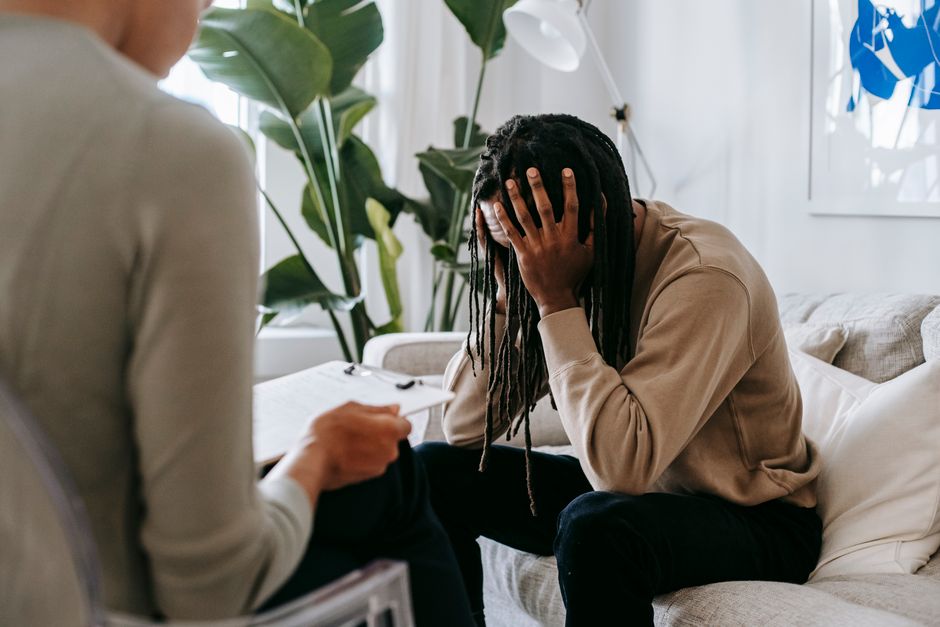
Anxiety and stress are not the same thing, even though people often use the words interchangeably. Stress usually comes from an external pressure — a deadline, a conflict, a medical bill. Anxiety is what happens inside you, sometimes with no obvious trigger at all. Both respond to many of the same strategies, and both can improve with the right combination of daily habits, coping skills, and professional support when needed.
What Is the Difference Between Anxiety and Stress?
Stress is your body’s response to a demand or threat. Anxiety is a feeling of worry, dread, or unease that can persist even when the threat is gone.
The distinction matters because it shapes what helps. Stress often eases when the stressor resolves — the project ends, the argument settles, the diagnosis comes back clear. Anxiety can linger far past the trigger. It can also show up with no trigger at all.
Physically, both activate the same systems. Your body releases hormones like cortisol and adrenaline. Your heart rate climbs. Muscles tense. Breathing gets shallow. This is the fight-or-flight response, and it evolved to keep you alive. The problem is when it fires too often or stays switched on.
Occasional stress is normal and not harmful. Chronic stress is different. Over time, ongoing activation of the stress response is associated with higher risk of high blood pressure, weakened immune function, digestive problems, and sleep disruption. Anxiety disorders — which are diagnosed conditions, not everyday worry — affect a substantial portion of adults in the United States at some point in their lives.
If you are not sure which one you are dealing with, that is common. A doctor or mental health professional can help sort it out.
How Can I Get Rid of Anxiety and Stress?
There is no single switch that turns anxiety and stress off. What works is a combination of approaches, and the combination is different for different people.
For everyday stress and mild anxiety, these strategies have the strongest evidence behind them:
- Regular physical activity. Exercise reduces stress hormones and stimulates endorphins. Even a brisk walk most days of the week makes a measurable difference for many people.
- Consistent sleep. Most adults need seven to nine hours. Poor sleep amplifies anxiety and makes stress harder to manage. This is one of the most reliable levers you have.
- Slow breathing. Deliberately slowing your breath — longer exhales than inhales — activates the parasympathetic nervous system, which calms the stress response. It works in the moment.
- Limiting alcohol and caffeine. Both can mimic or worsen anxiety symptoms. Caffeine in particular can trigger racing heart and jitteriness that feel like anxiety.
- Talking to someone. Whether it is a friend, a therapist, or a support group, putting feelings into words reduces their intensity for many people.
For anxiety that is persistent, intense, or interfering with daily life, self-help strategies alone are often not enough. That is not a failure. It means the anxiety has crossed into territory where professional treatment works better.
When Should I See a Doctor or Therapist?
See a professional if anxiety or stress is affecting your sleep, your work, your relationships, or your ability to function day to day. That is the clearest signal.
Other reasons to seek help:
- You worry most days and cannot control it
- You avoid situations because of anxiety
- You have panic attacks — sudden intense fear with physical symptoms like chest tightness, dizziness, or a sense of doom
- You are using alcohol or drugs to cope
- You have thoughts of harming yourself
If you are having thoughts of suicide, contact the 988 Suicide and Crisis Lifeline by calling or texting 988. This is available 24 hours a day in the United States.
Your primary care doctor is a reasonable first stop. They can rule out medical causes — thyroid problems, heart conditions, and some medications can produce anxiety-like symptoms. If nothing physical explains it, they can refer you to a therapist or psychiatrist.
An important note: anxiety and stress can also be symptoms of another condition, including depression, post-traumatic stress, or a medical issue. A proper evaluation looks at the whole picture, not just the anxiety.



What Treatments Actually Work for Anxiety?
Cognitive behavioral therapy (CBT) and certain medications have the strongest evidence for treating anxiety disorders. Both are considered first-line treatments in clinical guidelines.
CBT helps you identify and change the thought patterns that fuel anxiety. It is structured, usually short-term, and skills-based. Research consistently shows it works for generalized anxiety, panic disorder, social anxiety, and other anxiety conditions.
Medications used for anxiety include selective serotonin reuptake inhibitors (SSRIs), serotonin-norepinephrine reuptake inhibitors (SNRIs), and in some cases benzodiazepines. SSRIs and SNRIs are generally preferred for ongoing treatment because they are not habit-forming in the way benzodiazepines can be. Benzodiazepines work quickly but carry risks of dependence and are usually prescribed short-term or for specific situations.
Which treatment is right depends on the type of anxiety, its severity, your health history, and your preferences. Many people do best with therapy and medication together. Others do well with therapy alone.
What does not have strong evidence: most herbal supplements marketed for anxiety. Some, like kava, have shown promise in limited studies but carry liver toxicity concerns. Others, like valerian root and passionflower, have mixed or weak evidence. No supplement is a substitute for evaluated treatment. If you want to try one, talk to your doctor first — especially if you take other medications.
Can Lifestyle Changes Really Reduce Anxiety?
Yes, for mild to moderate anxiety and everyday stress. Lifestyle changes are not a replacement for treatment when treatment is needed, but they make a real difference for many people.
Exercise. Aerobic activity has the most consistent evidence. It reduces anxiety symptoms in both healthy people and those with diagnosed anxiety disorders. The effect is not dramatic, but it is reliable.
Sleep. Sleep and anxiety have a two-way relationship. Anxiety disrupts sleep, and poor sleep worsens anxiety. Breaking that cycle — through consistent bedtimes, limiting screens before bed, and avoiding caffeine late in the day — often improves both.
Diet. There is no specific anxiety diet. But blood sugar swings, dehydration, and heavy caffeine intake can all trigger symptoms that feel like anxiety. Eating regular meals and staying hydrated helps stabilize the physical side.
Social connection. Isolation worsens anxiety. Regular contact with people you trust — even brief and low-key — has a protective effect.
Mindfulness and meditation. These have moderate evidence for reducing anxiety. They are not a cure, but they help many people notice anxious thoughts without being swept away by them.
None of these is a quick fix. They work gradually, over weeks and months. The people who get the most benefit tend to combine several of them rather than relying on one.
What Makes Anxiety Worse?
Certain habits and patterns reliably make anxiety worse. Knowing them can help you avoid accidentally feeding the problem.
- Caffeine. It is a stimulant and directly mimics anxiety symptoms — racing heart, restlessness, jitteriness. If you are prone to anxiety, cutting back often helps within days.
- Alcohol. It may feel calming at first, but it disrupts sleep and rebounds into heightened anxiety as it wears off. Regular drinking tends to worsen anxiety over time.
- Sleep deprivation. Even one poor night makes the brain more reactive to threat. Chronic poor sleep is a major driver.
- Avoidance. Avoiding the things that make you anxious feels good in the moment, but it teaches your brain that they are dangerous. Over time, the anxiety grows.
- Doomscrolling and constant news. Repeated exposure to threatening information keeps the stress response activated.
- Isolation. Withdrawing from people removes a key source of support and perspective.
One thing worth knowing: the goal is not to eliminate anxiety entirely. Anxiety is a normal human emotion, and trying to stamp it out completely tends to backfire. The goal is to bring it down to a level where it does not run your life.
How Long Does It Take to Feel Better?
It depends on what you are doing and what you are dealing with. Some strategies work quickly. Others take weeks or months.
Slow breathing and grounding techniques can calm the body within minutes. Exercise and sleep improvements often show effects within a few weeks. Therapy for anxiety typically takes several weeks to months to produce meaningful change. Medications like SSRIs usually take several weeks before the full effect is felt.
Progress is rarely linear. Good days and hard days both happen. That is normal and not a sign that nothing is working.
If you have been consistent with strategies for several weeks and see no improvement — or if things are getting worse — that is a signal to bring in professional help. There is no prize for struggling alone, and effective treatment exists.
Frequently Asked Questions
Can anxiety go away on its own?
Mild, situational anxiety often does ease on its own, especially when the stressor passes. Anxiety that persists for weeks or interferes with daily life usually needs treatment to improve.
What is the fastest way to calm anxiety in the moment?
Slow, deliberate breathing with longer exhales than inhales activates the calming branch of the nervous system and can reduce symptoms within a minute or two. Grounding techniques — like naming five things you can see — can also interrupt a spike.
Do I need medication for anxiety?
Not always. Therapy alone is effective for many people, especially with mild to moderate anxiety. Medication is often helpful when symptoms are severe, when therapy alone has not worked, or when anxiety significantly disrupts daily functioning.
Is anxiety ever a sign of something physical?
Yes. Thyroid disorders, heart conditions, low blood sugar, and some medications can produce anxiety-like symptoms. A doctor can rule these out through a basic evaluation.
