
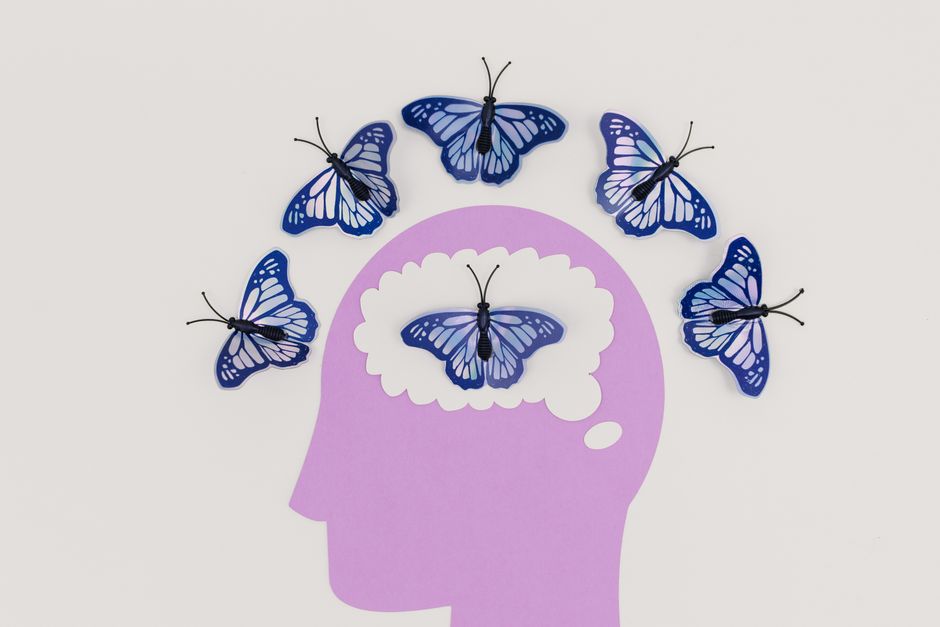
Anxiety is not just a feeling of nervousness or worry. It is a physical response that changes how your brain works. When anxiety becomes chronic, it can rewire neural pathways, shrink key brain regions, and keep your stress response stuck in the “on” position. Understanding exactly how anxiety affects the brain helps you separate real science from hype — and know what steps actually help.
What Happens in the Brain During an Anxiety Episode?
When you feel anxious, your brain’s alarm system goes off. This system is called the amygdala. It is a small almond-shaped structure deep in the brain. The amygdala scans for threats constantly. When it detects something it considers dangerous, it sends a signal to the hypothalamus.
The hypothalamus then activates your sympathetic nervous system. This triggers the fight-or-flight response. Your heart rate rises. Your breathing quickens. Stress hormones like cortisol and adrenaline flood your system. All of this happens in seconds — before your conscious brain even understands what is happening.
Research from the National Institute of Mental Health shows that people with anxiety disorders have overactive amygdalae. Their brains detect threats even when none exist. This is not a choice or a personality flaw. It is a biological difference in how the brain processes fear.
The prefrontal cortex is the rational part of your brain. It helps you think logically and calm yourself down. During an anxiety episode, the prefrontal cortex goes offline. The amygdala takes over. This is why you cannot always “think your way out” of anxiety. Your rational brain is not fully available in that moment.
Can Chronic Anxiety Permanently Change the Brain?
Yes, chronic anxiety can change the brain’s structure over time. Studies have found that long-term anxiety is linked to shrinkage in the hippocampus. The hippocampus is responsible for memory and emotional regulation. When it shrinks, your ability to manage stress gets worse — creating a cycle that feeds itself.
Research published in Biological Psychiatry found that people with generalized anxiety disorder had smaller hippocampal volumes than people without anxiety. The longer someone had anxiety, the more shrinkage was seen. This does not mean the damage is permanent. But it shows that untreated anxiety takes a real toll on the brain.
Chronic anxiety also thickens the amygdala. A larger amygdala sounds like it would be better, but it is not. A thicker amygdala is more reactive. It fires off false alarms more easily. This makes you more sensitive to stress over time.
The good news is that the brain can heal. This concept is called neuroplasticity. With the right treatment and lifestyle changes, the brain can rebuild connections and reduce the amygdala’s overactivity. The brain is not stuck. But it takes consistent effort to change it.
How Anxiety Affects the Brain’s Memory and Focus
Anxiety steals your ability to concentrate. This is not just feeling distracted. It is a measurable change in brain function. When the amygdala is constantly firing, it drains energy from the prefrontal cortex. Your brain has fewer resources left for focus, planning, and decision-making.
A study from the University of Waterloo found that people with high anxiety had more trouble filtering out irrelevant information. Their brains could not prioritize what mattered. This explains why you might read a paragraph three times and still not absorb it. Your brain is too busy scanning for threats to process the words.
Memory also suffers. The hippocampus is responsible for forming new memories. When cortisol levels stay high due to chronic anxiety, the hippocampus struggles to create and store memories. You might forget appointments, lose your train of thought, or struggle to recall details from conversations.
Some people report brain fog during periods of high anxiety. This is a real symptom, not an exaggeration. Brain fog is the result of your brain’s resources being redirected away from thinking and toward survival. It is a sign that your stress system is overloaded.




What Actually Helps Calm the Anxious Brain?
Not all treatments work for everyone. But some approaches have strong research behind them. The most effective treatments target the brain directly — not just the symptoms.
Cognitive behavioral therapy is the gold standard for anxiety treatment. It works by retraining the prefrontal cortex to override the amygdala’s false alarms. Research shows that CBT can actually change brain activity patterns. People who complete CBT show less amygdala reactivity and stronger prefrontal cortex function.
Deep breathing is not just a relaxation trick. It physically activates the vagus nerve, which signals your brain to calm down. Slow, deep breaths lower heart rate and reduce cortisol levels. This is one of the fastest ways to shift your brain out of fight-or-flight mode.
Exercise changes the brain at a chemical level. It increases BDNF (brain-derived neurotrophic factor), a protein that helps grow new neurons in the hippocampus. Exercise also lowers baseline cortisol levels over time. The CDC recommends 150 minutes of moderate activity per week for mental health benefits.
Sleep is when your brain cleans itself. During deep sleep, the glymphatic system clears out waste products from brain cells. Without enough sleep, your amygdala becomes 60% more reactive, according to research from UC Berkeley. Prioritizing sleep is one of the most powerful things you can do for an anxious brain.
| Intervention | What It Does in the Brain | Evidence Strength |
|---|---|---|
| Cognitive behavioral therapy | Strengthens prefrontal cortex, reduces amygdala reactivity | Strong — multiple RCTs |
| Deep breathing | Activates vagus nerve, lowers cortisol | Moderate — consistent findings |
| Exercise | Increases BDNF, grows hippocampus | Strong — meta-analyses confirm |
| Sleep improvement | Reduces amygdala reactivity by up to 60% | Strong — UC Berkeley study |
What Makes Anxiety Worse for the Brain?
Some things that seem helpful actually make anxiety worse in the long run. Avoidance is the biggest one. When you avoid situations that make you anxious, your amygdala learns that those situations are dangerous. It strengthens the fear pathway instead of weakening it. Avoidance keeps the brain stuck in anxiety mode.
Alcohol is another trap. It temporarily calms the brain by boosting GABA, a neurotransmitter that reduces neural activity. But when alcohol wears off, the brain rebounds with even more anxiety. This is called the rebound effect. Regular alcohol use can worsen anxiety over time and disrupt sleep quality.
Caffeine is a stimulant that directly activates the amygdala. For people with anxiety disorders, even moderate amounts of caffeine can trigger panic symptoms. Some studies suggest that people with panic disorder are more sensitive to caffeine’s effects. If you notice anxiety after coffee, try cutting back or switching to half-caff.
Chronic stress itself is the underlying driver. When your brain never gets a break from cortisol, the hippocampus shrinks and the amygdala grows. This is why managing daily stress is not optional for brain health. It is a biological necessity.
Common Misconceptions About Anxiety and the Brain
One common myth is that anxiety is just a mental weakness. This is false. Anxiety is a brain-based condition with measurable biological changes. No one chooses to have an overactive amygdala. Blaming yourself for anxiety is like blaming yourself for having a fever. It misses the point entirely.
Another misconception is that medication fixes the brain permanently. Medications like SSRIs can help reduce symptoms, but they do not rewire the brain on their own. They create a window of opportunity for therapy and lifestyle changes to take effect. Most people need a combination approach, not just a pill.
Some people believe that if you have anxiety, you will always have it. This is not true. The brain’s ability to change — neuroplasticity — means that recovery is possible. Many people recover fully from anxiety disorders with proper treatment. The brain heals, but it takes time and consistent effort.
A final myth is that you can “think positive” your way out of anxiety. Positive thinking is helpful for mood, but it does not directly change the amygdala’s threat detection system. You need to retrain the brain through exposure, therapy, or physiological interventions. Positive thoughts alone are not enough.
When to Seek Professional Help
If anxiety interferes with your daily life, it is time to talk to a professional. Signs include avoiding work, social events, or everyday tasks because of fear. Trouble sleeping, panic attacks, and constant worry that you cannot control are also red flags.
A primary care doctor can rule out medical causes like thyroid problems or heart conditions. Then they can refer you to a mental health professional. Therapists who specialize in CBT or exposure therapy are the most effective for anxiety disorders.
Medication is an option for some people. SSRIs and SNRIs are the most commonly prescribed for anxiety. They work by increasing serotonin or norepinephrine levels in the brain. These medications take 4 to 6 weeks to work fully. They are not a quick fix, but they can be life-changing for people with severe anxiety.
Do not wait until anxiety becomes unbearable. The earlier you get help, the less time your brain spends in a stressed state. Protecting your brain from the long-term effects of anxiety is worth the effort. You deserve to feel calm, focused, and in control of your own mind.
Frequently Asked Questions
Can anxiety permanently damage the brain?
Chronic anxiety can shrink the hippocampus and thicken the amygdala, but these changes are not permanent. The brain can heal through therapy, exercise, and lifestyle changes.
How long does it take for the brain to recover from anxiety?
Recovery time varies. Some people see improvements in 8 to 12 weeks of consistent treatment, while others need 6 months or longer. The brain changes slowly with repeated practice.
Does anxiety affect memory and concentration?
Yes, anxiety directly impairs memory and focus by draining resources from the prefrontal cortex and damaging the hippocampus. Brain fog is a common symptom of chronic anxiety.
What is the fastest way to calm an anxious brain?
Deep breathing activates the vagus nerve and lowers cortisol within minutes. It is the fastest physiological method to shift the brain out of fight-or-flight mode.
