
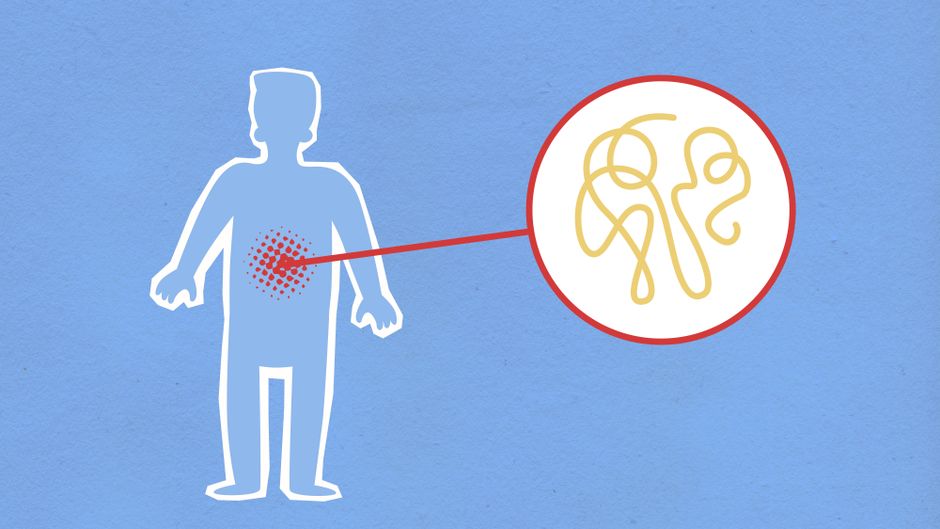
Most people assume stomach viruses only cause diarrhea and vomiting. But constipation happens too. It is less common but real. A stomach virus can slow down your digestive system instead of speeding it up. This happens for several reasons — dehydration, inflammation, and changes in gut muscle movement are the main ones. Not everyone gets constipation from a stomach virus. But if you do, it usually means your gut is inflamed and not moving waste through as it should.
Why Does a Stomach Virus Sometimes Cause Constipation Instead of Diarrhea?
Stomach viruses, also called viral gastroenteritis, typically inflame the lining of your stomach and intestines. For most people, this inflammation triggers diarrhea as the body tries to flush out the virus. But in some cases, the inflammation does the opposite. It can slow down peristalsis — the wave-like muscle contractions that move food and waste through your digestive tract.
When peristalsis slows, stool sits in your colon longer than normal. The colon keeps absorbing water from that stool. The longer it sits, the harder and drier it becomes. By the time it moves, it is difficult to pass. Research published in the Journal of Clinical Gastroenterology found that about 12% of adults with viral gastroenteritis report constipation as a primary symptom. It is not the headline symptom, but it is common enough that doctors recognize it.
How Dehydration During a Stomach Virus Contributes to Constipation
Vomiting and diarrhea pull fluid out of your body fast. Even if you have constipation instead of diarrhea, you may still vomit or have reduced fluid intake because you feel sick. Dehydration is one of the most direct causes of constipation during any illness.
Your colon needs water to keep stool soft. When your body is low on fluids, the colon pulls extra water from waste material to conserve it for essential functions. This leaves stool dry and hard. The CDC notes that dehydration is a common complication of viral gastroenteritis, especially in young children and older adults. Replenishing fluids is the single most effective step you can take to prevent or relieve constipation during a stomach virus.
Electrolyte solutions or oral rehydration salts work better than plain water because they help your body retain fluid. Sports drinks are less ideal due to high sugar content, which can worsen diarrhea if present.
Can A Stomach Virus Cause Constipation Through Inflammation Alone?
Yes, inflammation itself can cause constipation. When your gut lining is inflamed from a virus, the nerves and muscles in your intestinal wall do not function normally. This condition is sometimes called ileus — a temporary slowdown of intestinal movement. It is more common after abdominal surgery, but viral infections can trigger a mild form of it.
A study in the World Journal of Gastroenterology examined patients with confirmed viral gastroenteritis. Researchers found that even patients without significant dehydration had slower colonic transit times. This means the virus directly affected how fast stool moved through the colon, independent of fluid loss. The inflammation was enough to disrupt normal function.
This explains why some people have constipation even when they are drinking enough fluids. The gut is simply not contracting properly. For these cases, time is the main treatment. As the inflammation resolves, motility usually returns to normal.





What Medications for Stomach Virus Symptoms Can Worsen Constipation?
Several common medications used during a stomach virus can contribute to constipation. Knowing which ones helps you avoid making the problem worse.
- Antiemetics like ondansetron (Zofran) are prescribed for vomiting. They work well but can slow gut motility as a side effect. Constipation is listed as a common side effect in prescribing information.
- Antidiarrheals like loperamide (Imodium) are sometimes taken even when not needed. If you have constipation, these will make it worse by further slowing bowel movements.
- Pain relievers like ibuprofen or acetaminophen do not directly cause constipation. But opioids, if prescribed for severe abdominal pain, are well known to cause constipation.
If you are constipated during a stomach virus, check whether any medication you took could be contributing. Talk to your doctor before stopping prescribed medications. But for over-the-counter options, consider whether you still need them.
Stomach Virus vs. Stomach Bug: Which Symptoms Point to Constipation?
There is no medical difference between “stomach virus” and “stomach bug.” Both refer to viral gastroenteritis. But people use the terms to describe different symptom patterns. A stomach virus typically implies diarrhea and vomiting. A stomach bug sometimes implies milder symptoms or more general digestive upset.
If you have constipation, you may wonder whether you even have a stomach virus. The table below compares typical symptoms of viral gastroenteritis with constipation-predominant cases.
| Symptom | Typical Stomach Virus | Constipation-Predominant Presentation |
|---|---|---|
| Diarrhea | Common | Rare or absent |
| Vomiting | Common | May or may not occur |
| Abdominal cramping | Common | Common, but feels different — more like bloating than urgency |
| Nausea | Common | Common |
| Bowel movements | Frequent, loose | Infrequent, hard, difficult to pass |
| Dehydration risk | High | Moderate to high depending on vomiting |
The key takeaway is that constipation does not rule out a stomach virus. If you have other symptoms like nausea, vomiting, low-grade fever, or body aches, the virus is likely the cause of your constipation too.
How Long Does Constipation Last After a Stomach Virus?
For most people, constipation during a stomach virus lasts 1 to 3 days. It usually resolves as the virus runs its course and you return to normal eating and drinking. If constipation persists longer than that, other factors may be at play.
Some people continue to have constipation for a week or more after other symptoms resolve. This can happen if the gut microbiome was significantly disrupted. A study in Gut Microbes found that viral gastroenteritis can alter the balance of bacteria in your gut for weeks. This imbalance can slow digestion and cause constipation even after the virus is gone.
Probiotics may help in these cases. Some evidence suggests that certain strains like Bifidobacterium lactis and Lactobacillus rhamnosus can support regular bowel movements after an infection. But the research is not strong enough to recommend a specific probiotic for this purpose. Eating fermented foods like yogurt or kefir is a reasonable step with low risk.
What to Do If You Have Constipation From a Stomach Virus
If you are constipated during or after a stomach virus, start with the basics before reaching for laxatives.
Hydrate properly. Drink small amounts frequently. Oral rehydration solutions are best. Aim for clear or light yellow urine as a sign of adequate hydration.
Eat when ready. Do not force food if you are still nauseous. But once you can eat, include foods with soluble fiber like oatmeal, bananas, or applesauce. These are gentle on the gut and help bulk stool appropriately.
Move gently. Light walking can stimulate bowel activity. Do not push yourself if you feel weak, but gentle movement helps peristalsis.
Avoid stimulant laxatives. Products containing senna or bisacodyl can cause cramping and may worsen dehydration. If you need help, a stool softener like docusate sodium is gentler. But even that is not always necessary.
See a doctor if constipation lasts more than one week after other symptoms resolve, if you have severe abdominal pain, or if you cannot pass gas. These could signal a more serious issue like a bowel obstruction, which is rare but requires medical attention.
Frequently Asked Questions
Can you have a stomach virus with only constipation and no diarrhea?
Yes, some people experience constipation as their primary bowel symptom during viral gastroenteritis. It is less common but well documented in medical literature.
How can I tell if my constipation is from a stomach virus or something else?
If you have other symptoms like nausea, vomiting, fever, or body aches alongside constipation, a virus is likely the cause. Constipation alone without other symptoms is more likely from diet or medication.
Does the norovirus cause constipation?
Norovirus typically causes vomiting and diarrhea, but some people report constipation as part of their symptom pattern. The virus affects gut motility differently in different people.
Should I take a laxative for constipation from a stomach virus?
Stimulant laxatives are usually not recommended because they can cause cramping and worsen dehydration. Stool softeners or increased fluid intake are safer first steps.
