
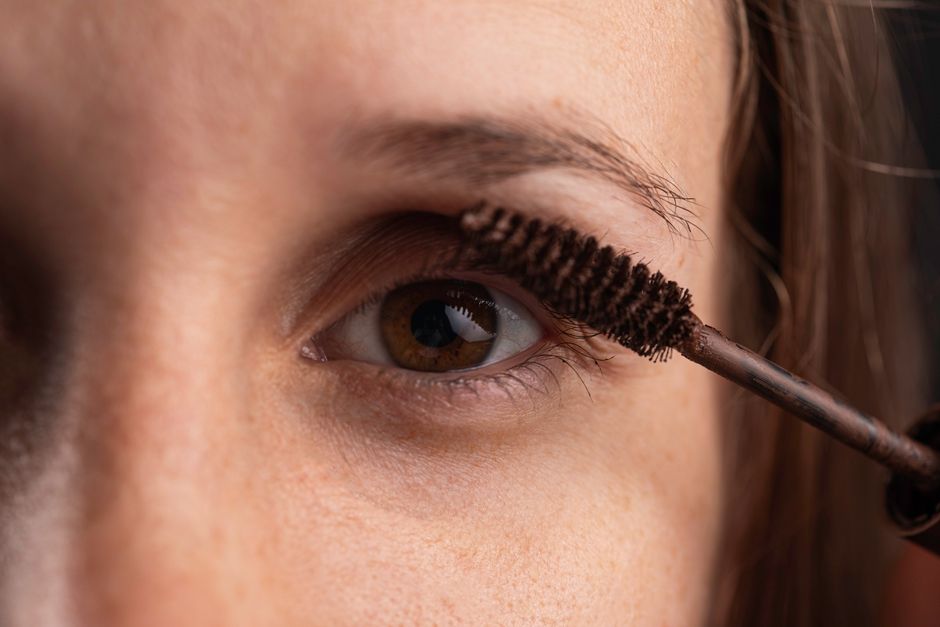
A double row of eyelashes is a real anatomical feature called distichiasis. It happens when an extra row of eyelashes grows from an unusual spot on the eyelid — specifically, from the meibomian glands, which normally produce oil rather than hair. Some people are born with it. Others develop it later in life. In either case, the extra lashes can rub against the eye and cause real problems, or they can cause no symptoms at all.
What makes distichiasis worth understanding is that it is not just a cosmetic curiosity. The location of the extra lashes matters. So does whether they touch the surface of the eye. A person can have a full second row and never notice it, while another person with just a few misplaced lashes may have constant irritation, tearing, and eye pain.
What Causes a Double Row of Eyelashes?
There are two broad categories: congenital and acquired. They have different causes and different implications.
Congenital distichiasis is present at birth. It occurs when the meibomian glands — the oil-producing glands along the eyelid margin — develop into hair follicles instead. This is a developmental variation, not a disease process. It can run in families. In some cases, it is linked to a genetic condition called lymphedema-distichiasis syndrome, which also causes swelling in the limbs. Most people with congenital distichiasis do not have that syndrome, but the connection is well documented in medical literature.
Acquired distichiasis develops later. It is most often associated with chronic inflammation or scarring of the eyelid. Conditions that can lead to it include:
- Chronic blepharitis (inflammation of the eyelid margin)
- Ocular cicatricial pemphigoid, an autoimmune condition that scars mucous membranes
- Chemical burns or physical trauma to the eyelid
- Stevens-Johnson syndrome, a severe reaction often triggered by medication
- Prior eyelid surgery or radiation therapy
The mechanism is similar in all these cases. Scarring or chronic inflammation causes tissue in the eyelid margin to change. Cells that normally form oil glands instead form hair. The result is lashes growing from a place they should not be.
It is worth separating distichiasis from a similar condition called trichiasis. In trichiasis, normal eyelashes grow in the wrong direction and rub against the eye. In distichiasis, the lashes themselves are in the wrong place. The distinction matters because the treatments differ.
What Are the Symptoms of Distichiasis?
Symptoms depend entirely on whether the extra lashes touch the eyeball. Many people with distichiasis have no symptoms at all. Their extra lashes grow outward or are positioned in a way that does not contact the cornea or conjunctiva.
When lashes do rub against the eye, the symptoms are those of chronic surface irritation:
- Foreign body sensation — the feeling that something is in the eye
- Excessive tearing
- Redness and irritation
- Light sensitivity
- A gritty or burning feeling
- Blurred vision that comes and goes
These symptoms tend to be persistent rather than occasional. They may worsen with blinking, since each blink drags the misdirected lashes across the eye surface.
The real concern is what happens over time. Constant rubbing of lashes against the cornea can cause scratches (corneal abrasions), recurrent erosion, and in longstanding cases, scarring of the cornea. Corneal scarring can permanently affect vision. This is why distichiasis that causes symptoms needs evaluation by an eye care professional — not because every case is dangerous, but because the ones that are can quietly get worse.
How Is Distichiasis Diagnosed?
Diagnosis is usually straightforward and happens during a slit-lamp examination. An eye doctor uses a specialized microscope to look closely at the eyelid margin and the surface of the eye.
The key steps are:
- Identifying lashes growing from the meibomian gland openings rather than the normal lash line
- Determining whether those lashes touch the cornea or conjunctiva
- Checking for any damage to the eye surface, such as staining with fluorescein dye
- Asking about symptom history and any prior eyelid conditions or treatments
Distinguishing distichiasis from trichiasis is part of the exam. In trichiasis, the lashes emerge from the normal lash line but point inward. In distichiasis, they emerge from the wrong location entirely. This matters because treatment approaches differ.
If congenital distichiasis is diagnosed, especially in a child, a doctor may ask about family history or signs of lymphedema. Most cases are isolated and not part of a broader syndrome, but the possibility is worth ruling out when there are other unexplained symptoms.





What Treatment Options Exist for a Double Row of Eyelashes?
Treatment is only needed when the extra lashes cause symptoms or damage the eye. Asymptomatic distichiasis typically requires no intervention beyond regular monitoring.
When treatment is needed, options range from temporary to permanent. No single approach works for everyone, and recurrence is a common issue with several methods.
Temporary Options
Lubricating eye drops and ointments can reduce discomfort but do not address the underlying lashes. They are sometimes used while waiting for a more definitive procedure or in mild cases.
Epilation (plucking) removes the offending lashes. It provides relief, but lashes grow back — usually within a few weeks. Repeated plucking can also cause the lash to grow back stiffer or more misdirected, which can make things worse over time.
More Durable Options
Radiofrequency or electrolysis destroys the hair follicle. These methods can be effective but often require multiple sessions. Success rates vary, and regrowth is possible.
Cryotherapy uses controlled freezing to destroy the follicles. It can be effective for multiple lashes at once. However, it carries a risk of damaging surrounding tissue, including the meibomian glands, which can lead to dry eye.
Laser ablation targets individual follicles with a laser. It is precise but may not be widely available, and multiple treatments are often needed.
Surgical Options
Full-thickness eyelid resection removes a section of the eyelid margin containing the misplaced lashes. This is a more aggressive approach, generally reserved for severe or recurrent cases. It can be effective but carries risks including scarring, eyelid deformity, and incomplete removal.
Eyelid splitting with follicle removal is a procedure where the eyelid margin is split and the abnormal follicles are removed under direct visualization. This can be effective for distichiasis specifically, since the follicles are located deeper than normal lashes.
It is important to understand that no treatment is guaranteed to be permanent. Recurrence rates vary by method and by individual. Some people need more than one procedure. The choice of treatment depends on the number and location of lashes, whether they are causing damage, and the person’s overall eye health.
Is Distichiasis Dangerous?
For most people, distichiasis is not dangerous. It is a structural variation that may never cause a problem.
The risk comes from chronic rubbing of lashes against the eye. Over months or years, this can lead to corneal abrasions, infections, and scarring. In severe cases, vision can be affected. This is why regular eye exams matter if you have been diagnosed with distichiasis — even if it currently causes no symptoms.
Congenital distichiasis that is part of lymphedema-distichiasis syndrome carries additional considerations related to the lymphedema itself. That condition affects the lymphatic system and can cause swelling in the arms and legs. It is a separate diagnosis with its own management needs.
For acquired distichiasis, the underlying cause matters. If it developed after an eye injury, infection, or autoimmune condition, managing that underlying issue is part of the overall picture.
What Is the Difference Between Distichiasis and Trichiasis?
These two conditions are often confused, but they are distinct.
| Feature | Distichiasis | Trichiasis |
|---|---|---|
| Lash origin | Meibomian gland openings | Normal lash line |
| Direction of growth | Variable — may or may not touch eye | Inward toward the eye |
| Congenital form | Yes | Rare |
| Common causes | Developmental variation, scarring, inflammation | Infection, trauma, autoimmune conditions, aging |
| Treatment focus | Removing misplaced follicles | Redirecting or removing misdirected lashes |
Understanding the difference matters because treatment approaches are not identical. Distichiasis often requires removing follicles from an abnormal location, which can be more involved than treating misdirected lashes at the normal lash line.
When Should You See an Eye Doctor?
See an eye care professional if you have persistent eye irritation, a feeling that something is in your eye, or you notice an unusual second row of lashes. You should also seek evaluation if you have a history of eyelid trauma, chronic eye infections, or an autoimmune condition that can affect the eyes and you develop new eye symptoms.
If you have already been diagnosed with distichiasis, regular follow-up is important. The condition can change over time. Lashes that did not touch the eye before may begin to do so. Damage to the eye surface can accumulate gradually without obvious symptoms at first.
There is no home remedy that removes distichiasis. Plucking lashes yourself is not recommended — it is temporary, can cause infection, and may make regrowth more problematic. If the lashes are causing symptoms, professional evaluation is the appropriate step.
Frequently Asked Questions
Is a double row of eyelashes rare?
Congenital distichiasis is uncommon but not extremely rare. Acquired distichiasis is more often seen in people with chronic eyelid inflammation or a history of eyelid trauma.
Can a double row of eyelashes go away on its own?
No. The extra lashes do not disappear without treatment. They may cause no symptoms, but the anatomical feature itself remains.
Does having a double row of eyelashes affect vision?
It can, but only if the lashes rub against the cornea long enough to cause scarring. Many people with distichiasis have normal vision and no eye damage.
Is distichiasis the same as having long eyelashes?
No. Distichiasis is about where the lashes grow, not how long they are. The extra lashes emerge from the meibomian glands, not the normal lash line.
