
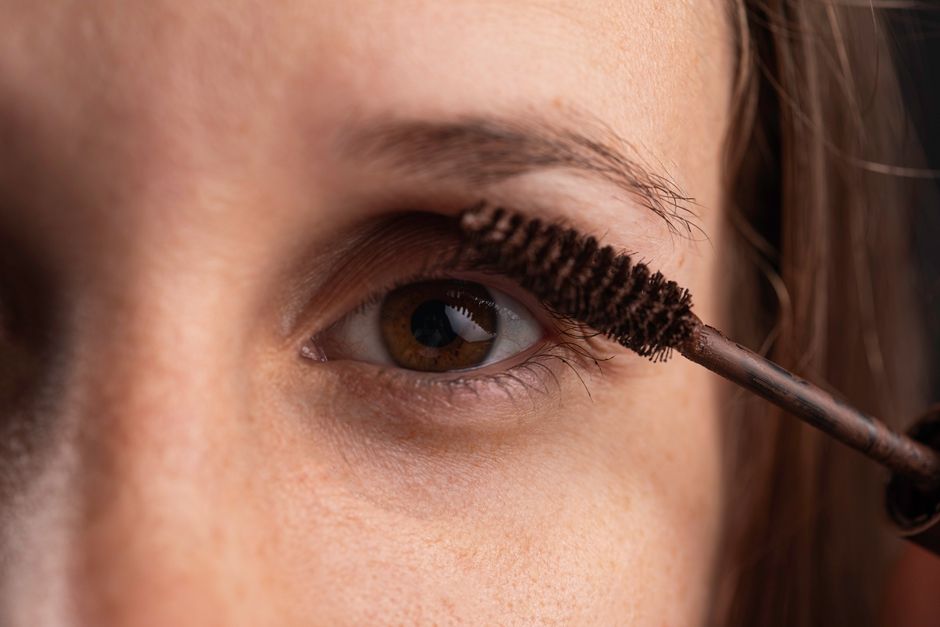
Long eyelashes are largely a matter of genetics, just like your height or your natural hair color. The length, thickness, and curl of your lashes are primarily inherited traits passed down from your parents. While hormones play a role in hair growth overall, the specific reason you have long lashes usually comes down to the genetic blueprint you were born with, with a few other biological factors contributing along the way.
What Determines Eyelash Length Genetically?
Think of your eyelashes as a specific type of hair. Every hair follicle on your body has its own genetic instructions that dictate how long it will grow, how thick it will be, and when it will fall out. For eyelashes, this cycle is relatively short compared to the hair on your head.
Your genes determine the duration of the anagen phase—the active growth period. For scalp hair, this phase can last for years. For eyelashes, it lasts only about 30 to 45 days. Because the growth phase is so short, your lashes only reach a certain length before they stop growing and eventually shed. If your parents have long eyelashes, you have likely inherited the genetic variants that allow for a slightly longer or more efficient growth phase in that specific area.
It is also not just about length. Genetics influence the density of your lashes (how many you have) and their curvature. Some people are born with lashes that naturally point straight out, while others have a natural curl. These traits are simply variations in the genetic code, and none of them are inherently better than another.
Do Hormones Affect Eyelash Growth?
Hormones do influence eyelashes, but they are rarely the reason you naturally have long lashes. Hormones are chemical messengers that regulate the hair growth cycle across your entire body. When hormone levels shift dramatically, you can see changes in your lashes.
For example, during pregnancy, elevated estrogen levels can prolong the growth phase of hair. Many pregnant women notice their scalp hair feels thicker and their lashes seem longer. This is temporary. After childbirth, hormone levels drop, and the hair that was held in the growth phase shifts into the shedding phase. This is why many new mothers experience noticeable hair loss, including some eyelash shedding, a few months after delivery.
Thyroid hormones are another factor. An underactive or overactive thyroid can disrupt the normal hair cycle. People with untreated thyroid conditions sometimes report brittle, thinning lashes or loss of the outer third of their eyebrows. However, unless you have a hormonal imbalance, your baseline eyelash length is primarily a genetic feature, not a hormonal one.
Why Are My Eyelashes Longer Than My Hair?
This sounds like a strange question, but it highlights a common misunderstanding. Your eyelashes are not actually longer than your head hair; they are just visually prominent because they frame your eyes. However, eyelashes are exceptionally long relative to the tiny size of the eyelid, and they are among the shortest hairs on your body.
The key difference is the growth cycle. Scalp hair grows for years at a time. Eyelashes grow for roughly one month. If eyelashes had the same growth cycle as scalp hair, they would grow several inches long and interfere with your vision. The fact that they are long enough to be noticed but short enough to be functional is a result of a tightly controlled biological clock within the follicle.
Some people do have a condition called trichomegaly, which is characterized by abnormally long eyelashes. This can be inherited, or it can be associated with certain rare genetic syndromes. In most cases, however, “long” lashes are simply at the upper end of the normal genetic range.





Do Eyelashes Stop Growing at a Certain Age?
Yes, but not in the way you might think. Eyelashes do not stop growing as you age in terms of the follicle shutting down completely, but the growth cycle does slow down. As with all hair, the rate of cell division in the follicle decreases with age.
In younger people, the growth phase is robust, and lashes grow relatively quickly. In older adults, the growth phase may shorten slightly, meaning the lashes do not have as much time to reach their maximum genetic potential before shedding. This is why eyelashes often become sparser and shorter in elderly individuals. It is a normal part of the aging process, not a sign of a health problem.
Additionally, the natural turnover of lashes means you are constantly losing and regrowing them. It is normal to lose between one and five eyelashes a day. Since they are in different stages of the growth cycle, you do not notice this daily shedding.
Can Lash Serums Actually Make Lashes Longer?
Some lash serums can make lashes appear longer, but it is important to separate the evidence from the marketing. Over-the-counter serums that contain prostaglandin analogs (like those originally developed for glaucoma) have been shown in clinical trials to increase eyelash length, thickness, and darkness. These are prescription-strength products or cosmetic versions sold under various brand names.
These serums work by prolonging the anagen (growth) phase of the eyelash cycle. They do not change your genetics; they chemically alter how long the follicle stays in the growth phase. The results are real, but they are not permanent. If you stop using the serum, your lashes will gradually return to their natural genetic baseline within a few months.
It is also worth noting that many drugstore lash serums contain only peptides, vitamins, and plant extracts. Research on these ingredients is limited. Some studies suggest they may improve lash condition and reduce breakage, which can make lashes look healthier and slightly longer. However, no strong clinical evidence confirms that these cosmetic peptides grow new lashes or extend the growth phase. If a product claims to “unlock” your lash potential based on peptides alone, treat that claim with caution.
Are Long Eyelashes a Sign of Good Health?
Not necessarily. While severe nutritional deficiencies can cause hair loss, having long eyelashes is not a marker of superior health. Your genetics dictate your lash length regardless of how well you eat. A person with a poor diet and short lashes can improve their overall nutrition and still have short lashes if that is their genetic predisposition.
That said, a sudden change in your lashes can be a health signal. If you notice your lashes are falling out in clumps, becoming brittle, or thinning dramatically, that is different from naturally having short lashes. This could indicate a thyroid issue, an allergic reaction to cosmetics, or a condition like alopecia areata. If you experience sudden lash loss without a clear cause, it is reasonable to discuss it with a doctor. But if you have simply always had long lashes, it is just a genetic quirk, not a health diagnosis.
Do Mascara and Eyelash Curlers Damage Long Lashes?
Long lashes are more prone to mechanical damage simply because they have more surface area and length to be manipulated. Using an eyelash curler aggressively can cause lashes to snap or pull out. The key is technique, not the length of the lash itself.
Waterproof mascara is more difficult to remove and often requires rubbing, which can pull out lashes. If you have long lashes and wear waterproof formulas, you may notice more shedding. Using an oil-based remover and being gentle can minimize this. Sleeping in mascara is also a common cause of lash breakage, as the lashes become stiff and can snap against the pillow.
There is no evidence that mascara itself permanently damages the follicle or stops growth. The damage is usually to the hair shaft, causing split ends or breakage, which makes lashes look shorter and thinner. If you care for them gently, your natural growth cycle will replace damaged hairs over time.
Frequently Asked Questions
Can you naturally make your eyelashes longer?
No method has been proven to permanently extend your natural eyelash length beyond your genetic potential. Maintaining good lash hygiene and avoiding breakage can help you keep the lashes you have, but it will not change your genetics.
Do eyelashes grow back if pulled out?
Yes, eyelashes usually grow back within 4 to 8 weeks. The follicle is rarely permanently damaged from a single pull, though repeated pulling can cause permanent loss.
Why are my eyelashes falling out more than usual?
Sudden increases in shedding are often linked to stress, hormonal changes, or switching cosmetics. If the shedding continues for more than a few weeks or occurs with bald patches, see a doctor to rule out thyroid issues or autoimmune conditions.
Do men and women have different eyelash lengths?
No major difference exists between sexes in average eyelash length. Perceived differences usually come from grooming habits, mascara use, or genetic variation within families, not biological sex.
