
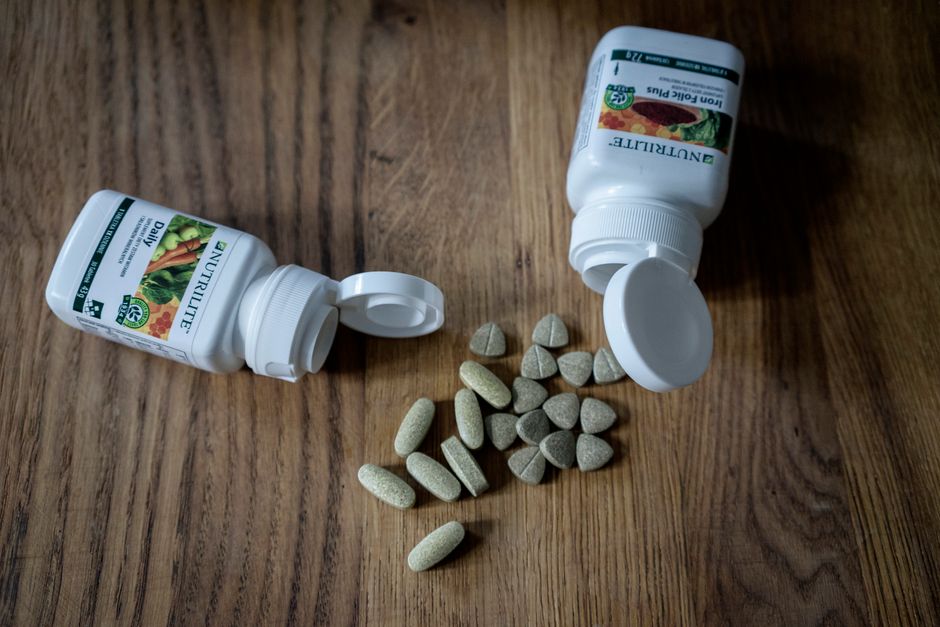
Iron is essential for immune function, but too much can be harmful. The relationship between iron and immunity is not simple. Your body tightly controls iron levels because both iron deficiency and iron overload can weaken immune defenses. Understanding how this mineral affects your immune system helps you make informed decisions about supplements and dietary choices.
Does Iron Boost Or Harm Your Immune System?
Iron supports immune function, but more is not better. The answer depends on your current iron status.
Iron is required for the growth and function of immune cells, including lymphocytes and macrophages. These cells need iron to multiply and respond to infections. When iron levels are low, immune function can decline. When iron levels are too high, the immune system can also suffer.
This balance explains why both iron deficiency and iron overload are linked to increased infection risk. The body has evolved complex mechanisms to keep iron within a narrow range. It stores excess iron in proteins like ferritin and limits how much circulates freely in the blood.
One non-obvious point: the body actually reduces iron availability during some infections. This is not a malfunction. It is a defense strategy. Many bacteria and viruses need iron to grow, so temporarily lowering iron levels can limit their spread. This is called nutritional immunity.
How Does Iron Support Immune Function?
Iron is involved in several immune processes that keep you healthy.
Immune cells divide rapidly when they detect a threat. Cell division requires iron-dependent enzymes for DNA synthesis. Without adequate iron, your body cannot produce enough immune cells to mount an effective response.
Iron also helps generate reactive oxygen species that immune cells use to destroy pathogens. Macrophages and neutrophils rely on iron-containing enzymes to produce these molecules. This is part of the innate immune response, your body’s first line of defense.
Additionally, iron supports the maturation of T cells and B cells, which are part of the adaptive immune system. These cells remember past infections and provide long-term protection.
When iron is deficient, these processes slow down. Research consistently shows that iron deficiency anemia is associated with impaired immune responses and increased susceptibility to some infections.
Can Too Much Iron Harm Your Immune System?
Yes. Excess iron can impair immune function and increase infection risk.
Iron overload occurs when the body accumulates more iron than it can safely store. This can happen with hereditary hemochromatosis, repeated blood transfusions, or excessive supplement use. When transferrin, the protein that carries iron in blood, becomes saturated, free iron circulates. This free iron can promote bacterial growth.
Some studies suggest that people with iron overload have altered immune cell function. Macrophages may become dysfunctional. T cell responses may be suppressed. The evidence indicates that high iron levels can shift the immune system toward a state that favors certain infections.
Iron supplements are a common cause of overload in people who do not need them. Taking high-dose iron when your levels are normal does not boost immunity. It may cause digestive issues and, over time, contribute to organ damage.




Who Is at Risk for Iron Deficiency?
Certain groups are more likely to have low iron levels and may benefit from testing.
- Menstruating women, especially those with heavy periods
- Pregnant women, whose iron needs increase significantly
- Infants and young children during rapid growth
- People with gastrointestinal conditions that reduce iron absorption, such as celiac disease or inflammatory bowel disease
- Vegetarians and vegans, who consume only non-heme iron, which is less easily absorbed
- Frequent blood donors
- People who take medications that reduce stomach acid, such as proton pump inhibitors
Iron deficiency is the most common nutritional deficiency worldwide. In the United States, it remains common in certain populations despite food fortification. Symptoms include fatigue, pale skin, shortness of breath, and frequent infections.
If you suspect iron deficiency, ask your doctor for a complete iron panel. This typically includes ferritin, transferrin saturation, and hemoglobin. Do not start supplements based on symptoms alone.
How Does Iron Affect Infection Risk?
Both low and high iron levels can increase susceptibility to infections, but through different mechanisms.
Iron deficiency weakens the immune response. Your body produces fewer immune cells and they function less effectively. This can make it harder to fight off viruses and bacteria. Some research suggests that iron deficiency anemia is associated with more frequent respiratory infections in children.
Iron overload creates a different problem. Excess iron feeds certain bacteria and can impair the immune system’s ability to control them. People with hereditary hemochromatosis may have increased risk of infections from specific organisms, though this varies.
The relationship is not linear. There appears to be an optimal range for immune function. Below that range, immunity suffers. Above it, immunity also suffers.
Should You Take Iron Supplements for Immunity?
Only if you have a diagnosed deficiency. Iron supplements are not a general immune booster.
If blood tests confirm low iron, supplementation can restore normal levels and improve immune function. Your doctor will recommend a dose and form of iron based on your needs. Common forms include ferrous sulfate, ferrous gluconate, and ferrous fumarate. Each has different amounts of elemental iron.
If your iron levels are normal, taking supplements will not strengthen your immune system. It may cause constipation, nausea, or abdominal pain. In rare cases, excessive iron can lead to organ damage.
Food sources of iron are generally safer for maintaining normal levels. Heme iron from meat, poultry, and fish is well absorbed. Non-heme iron from beans, lentils, spinach, and fortified cereals is less absorbed but still valuable. Vitamin C enhances non-heme iron absorption. Calcium and tannins in tea and coffee can reduce it.
Some clinicians recommend checking ferritin levels before starting any iron supplement. This is not universal, but it reflects the importance of testing rather than guessing.
What About Iron and Specific Infections?
Iron status can influence how the body handles certain infections, but the picture is complex.
During an infection, the body often lowers iron levels in the blood. This is a deliberate response called hypoferremia. It makes iron less available to invading pathogens. This is why some infections are associated with low iron levels even in people who are not deficient.
Some studies have examined iron supplementation in areas with high rates of infectious diseases. Results have been mixed. In some settings, iron supplementation appeared to increase the risk of certain infections, particularly in children. In others, correcting deficiency improved outcomes.
This has led to cautious approaches. The World Health Organization recommends iron supplementation for certain populations, but also emphasizes the importance of infection control and screening for conditions like malaria in endemic areas.
For most healthy adults in the United States, the risk of infection from normal iron levels is low. The concern is mainly for people with iron overload or those taking unnecessary supplements.
How Can You Maintain Healthy Iron Levels?
Focus on a balanced diet and test if you have symptoms.
Most people can maintain normal iron levels through food. The recommended dietary allowance for iron varies by age, sex, and life stage. For adult men and postmenopausal women, it is 8 mg per day. For premenopausal women, it is 18 mg per day. During pregnancy, the recommendation is 27 mg per day.
These are general guidelines. Your needs may differ based on health conditions and medications.
To improve iron absorption from plant sources, pair them with vitamin C. For example, add bell peppers to a lentil dish or drink orange juice with an iron-fortified breakfast cereal. Avoid drinking coffee or tea with meals if you are trying to increase iron absorption.
If you have symptoms of deficiency, get tested. Do not rely on self-diagnosis. If you have iron overload, your doctor may recommend avoiding supplements and donating blood regularly to reduce iron levels.
Frequently Asked Questions
Does iron boost your immune system?
Iron supports immune function when levels are adequate, but it does not boost immunity beyond normal. Taking iron when you are not deficient will not strengthen your immune system and may cause harm.
Can too much iron make you sick?
Yes, excess iron can impair immune function and increase infection risk. It can also cause organ damage over time, especially in people with hereditary hemochromatosis or those taking high-dose supplements without medical need.
How do I know if I need iron supplements?
Only a blood test can confirm iron deficiency. Ask your doctor for a complete iron panel including ferritin, transferrin saturation, and hemoglobin. Do not start supplements based on symptoms alone.
Does iron affect infection risk?
Both low and high iron levels can increase infection risk through different mechanisms. Iron deficiency weakens immune responses, while iron overload can feed certain bacteria and impair immune cell function.
