
You have probably seen the ads: a supplement, a juice, a powder, a shot. They all promise to “boost” your immune system. But your immune system is not a muscle you can bulk up, and “boosting” it is not really how it works. In fact, an immune system that runs too hot can be just as harmful as one that runs too cold.
What actually happens when you take a so-called immune booster depends entirely on what it contains and who you are. Some ingredients do have measurable effects on immune cells. Whether those changes translate into fewer colds, milder infections, or better health is a different question, and often the honest answer is that we do not know.
What Does An Immune Boost Actually Do To Your Body?
In most cases, very little that is measurable in a way that matters to your health.
Your immune system is not a single thing. It is a coordinated network of organs, tissues, and cells, including your skin, mucus membranes, lymph nodes, spleen, bone marrow, and a wide range of white blood cells. These parts talk to each other constantly. Some cells attack infected or abnormal cells directly. Others coordinate the response, remember past invaders, or calm things down when the threat passes.
Because this system is so tightly regulated, it generally does not need a “boost.” It needs balance. When it is working well, it responds quickly to real threats and stands down when they are gone. When it is underactive, you get more infections or worse ones. When it is overactive, you get allergies, autoimmune conditions, or chronic inflammation. Neither direction is good.
This is the part most marketing skips. A product that “stimulates” immune cells is not automatically helping you. Stimulation is just activity. Activity without purpose can mean inflammation, not protection.
Can You Actually Boost Your Immune System With Supplements?
For most people eating a normal diet, no. The evidence does not support the idea that extra immune-boosting supplements make healthy adults healthier.
Some nutrients are genuinely essential for immune function. Vitamin C, vitamin D, zinc, and several B vitamins all play real roles in how immune cells work. If you are deficient in one of them, correcting that deficiency helps your immune system function normally. That is a real effect.
But there is a large gap between fixing a deficiency and “boosting” a system that is already working. If your levels are normal, adding more of a nutrient usually does nothing useful. Your body regulates these levels and excretes or stores the excess.
The supplement that gets the most attention is vitamin C. Research on vitamin C and the common cold is often summarized this way: for most people, regular vitamin C supplementation does not reduce how often you get a cold. It may slightly shorten how long a cold lasts, but the effect is small. In people under extreme physical stress, such as soldiers in subarctic conditions or marathon runners, vitamin C may reduce cold risk. That is a specific population, not the general public.
Zinc is another one. Some studies suggest zinc lozenges taken within the first day or two of cold symptoms may shorten the duration of the cold. The evidence is mixed, and zinc supplements can cause nausea and interact with some medications. This is not a recommendation, just what the research shows.
Vitamin D matters for immune function, and deficiency is common in some regions and populations. Correcting a deficiency is reasonable and often recommended by clinicians. Taking high doses when you are not deficient has not been shown to prevent infections in most people.
Here is the non-obvious part. Many “immune support” products contain ingredients that have never been tested in a randomized controlled trial for the outcome they imply, like fewer sick days. They may contain compounds that activate immune cells in a lab dish. That is not the same as preventing illness in a human being.
What About Herbs And “Immune-Boosting” Foods?
Some herbs and foods have been studied, and the results are genuinely mixed.
Echinacea is one of the most researched herbs for cold prevention and treatment. Reviews of the evidence have reached different conclusions. Some trials suggest a modest reduction in cold duration or severity. Others show no benefit. The studies vary widely in the type of echinacea used, the dose, and how the participants were selected. That makes it hard to draw firm conclusions.
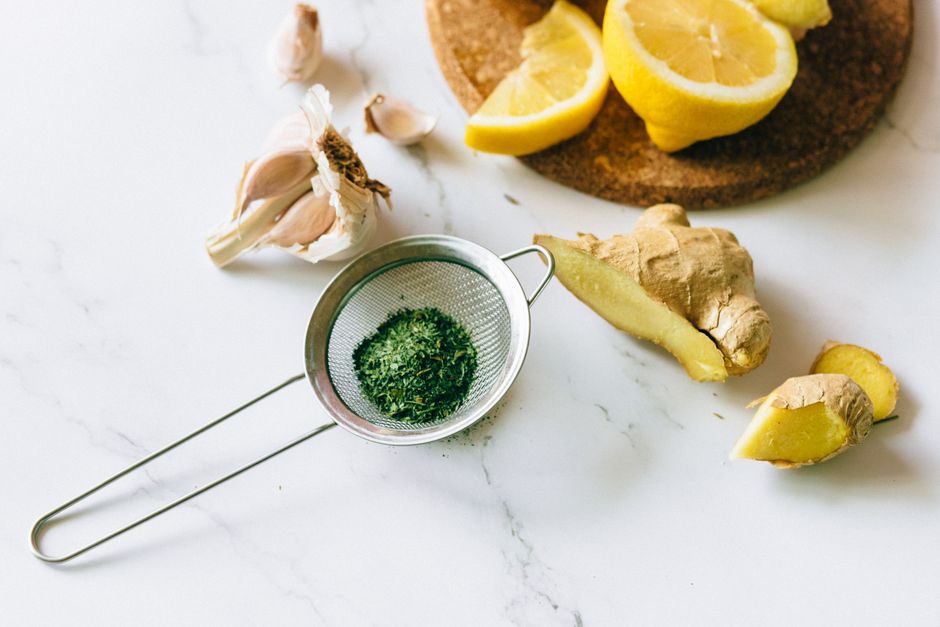
Garlic, ginger, turmeric, and elderberry have all been studied to varying degrees. Elderberry in particular has gotten attention for possible effects on cold and flu symptoms. Some small trials suggest it may shorten illness duration. The trials are generally small, and results have not been consistently replicated in large independent studies.
Fermented foods and probiotics are another area of active research. Some studies suggest certain probiotic strains may reduce the duration or frequency of respiratory infections in some groups. The effects, when found, tend to be modest, and different strains behave differently. There is no single “immune probiotic.”
None of this means these foods are useless. It means the evidence is not strong enough to say they reliably boost immunity or prevent illness. Eating a varied diet rich in fruits, vegetables, whole grains, and fermented foods supports general health, and that indirectly supports immune function. That is a reasonable statement. “This food boosts your immune system” is not.




Why A Stronger Immune System Is Not Always Better
An immune system that is too aggressive can attack your own body.
Autoimmune conditions happen when the immune system mistakes healthy tissue for a threat. Examples include rheumatoid arthritis, type 1 diabetes, multiple sclerosis, and lupus. In these conditions, the immune system is not weak. It is misdirected.
Allergies are another example. The immune system reacts to something harmless, like pollen or peanuts, as if it were dangerous. The problem is not a lack of immune activity. It is too much activity aimed at the wrong target.
Severe infections can also trigger a dangerous overreaction called a cytokine storm. This is when the immune system floods the body with inflammatory signals faster than it can control them. It can damage organs and become life-threatening. This is the opposite of a “boost,” and it is a reminder that immune activity has to be regulated, not maximized.
So when a product claims to “supercharge” your immune system, that is not necessarily a good thing. The goal is a system that responds appropriately, not one that is constantly switched on.
What Actually Supports Immune Function?
The basics that support immune function are not exciting, and they are not sold in a bottle.
Sleep is one of the most consistent factors. Research has found that people who sleep fewer hours are more likely to get sick after exposure to a cold virus. Sleep deprivation also affects how well vaccines work and how the immune system responds to infection. Most adults need seven to nine hours, though individual needs vary.
Regular moderate exercise supports immune surveillance, which is the process by which immune cells patrol the body for problems. Intense prolonged exercise, on the other hand, can temporarily suppress some immune function. The relationship is not linear.
Nutrition matters, but mostly in the sense of avoiding deficiencies. A diet with enough protein, vitamins, minerals, and fiber supports the immune system’s normal operations. Extreme diets, very low-calorie intake, and nutrient gaps can weaken it.
Chronic stress raises cortisol and other stress hormones, which can suppress some immune functions over time. Managing stress does not mean it disappears. It means reducing the load where you can.
Not smoking, limiting alcohol, and keeping up with recommended vaccinations are all well-established ways to support your immune system’s ability to protect you. Vaccines work by training the immune system to recognize a specific threat in advance. That is arguably the closest thing we have to a genuine “boost,” and it is targeted rather than general.
- Sleep seven to nine hours most nights
- Stay physically active at a moderate level
- Eat a varied diet with enough protein and micronutrients
- Manage chronic stress where possible
- Avoid smoking and excess alcohol
- Stay current on recommended vaccines
Do Immune Boosters Ever Help?
They can help in specific situations, and those situations are narrower than the marketing suggests.
If you have a diagnosed nutrient deficiency, correcting it helps. That is a medical treatment, not a wellness trend.
If you are in a population shown in research to benefit from a specific supplement, like vitamin C in people under extreme physical stress, there may be a modest benefit. That is a specific finding, not a general rule.
If you are older, your immune system changes with age in ways that can make infections more severe. Some clinicians recommend certain supplements or higher intakes of specific nutrients for older adults. This is a conversation to have with a doctor, not a decision to make from a label.
For most healthy adults, the honest answer is that immune-boosting products do not do much. They are not necessarily harmful, though some can interact with medications or cause side effects. But they are not the reason you stay well. Your immune system already knows how to do its job. What it needs from you is sleep, nutrition, movement, and a reasonable amount of stress.
That is less exciting than a bottle with a lightning bolt on it. It is also more accurate.
Frequently Asked Questions
Can you actually boost your immune system?
No, not in the sense of making it stronger than normal. Your immune system is already regulated to respond to threats and stand down afterward, and adding more activity is not the same as improving function.
Do immune-boosting supplements work?
For most healthy adults, the evidence does not show that they prevent illness or improve health. Some nutrients help if you are deficient, but extra amounts when you are not deficient generally do not provide benefit.
Is a stronger immune system always better?
No. An overactive immune system can cause autoimmune conditions, allergies, and dangerous inflammatory reactions, so balance matters more than strength.
What is the best way to support your immune system?
Sleep, regular moderate exercise, a varied diet, stress management, and staying current on vaccines are the factors most consistently linked to healthy immune function. No single supplement has been shown to replace these basics.
