
Vitamin C does help your body absorb iron, and the effect is real, measurable, and well documented. It works mainly with non-heme iron, the type found in plant foods like beans, spinach, and fortified cereals. When you eat vitamin C and iron-rich plant foods together, your body can pull meaningfully more iron out of that meal.
That matters because iron deficiency is one of the most common nutrient shortfalls worldwide, and it is especially common in menstruating women, vegetarians, vegans, and regular blood donors. How you combine foods can change how much iron you actually absorb.
How Does Vitamin C Help Your Body Absorb Iron?
Vitamin C changes the chemistry of iron in your gut so your body can take it in. The iron in plant foods is mostly in a form called ferric iron, or Fe3+. Your small intestine absorbs ferrous iron, or Fe2+, far more easily. Vitamin C reduces ferric iron to ferrous iron, which is the form that crosses into your bloodstream.
This is not a small chemical footnote. It is the core reason the pairing works. Vitamin C also binds to iron and keeps it soluble as it moves through your digestive tract. That matters because iron can get trapped by other compounds in food before it ever reaches the absorption site.
The effect is strongest for non-heme iron. Heme iron, the type in meat, poultry, and fish, is already well absorbed and largely unaffected by vitamin C. So if your diet is built around plant proteins, this pairing does more work for you than it would for someone eating a steak.
Does Vitamin C Help Absorb Iron From Supplements?
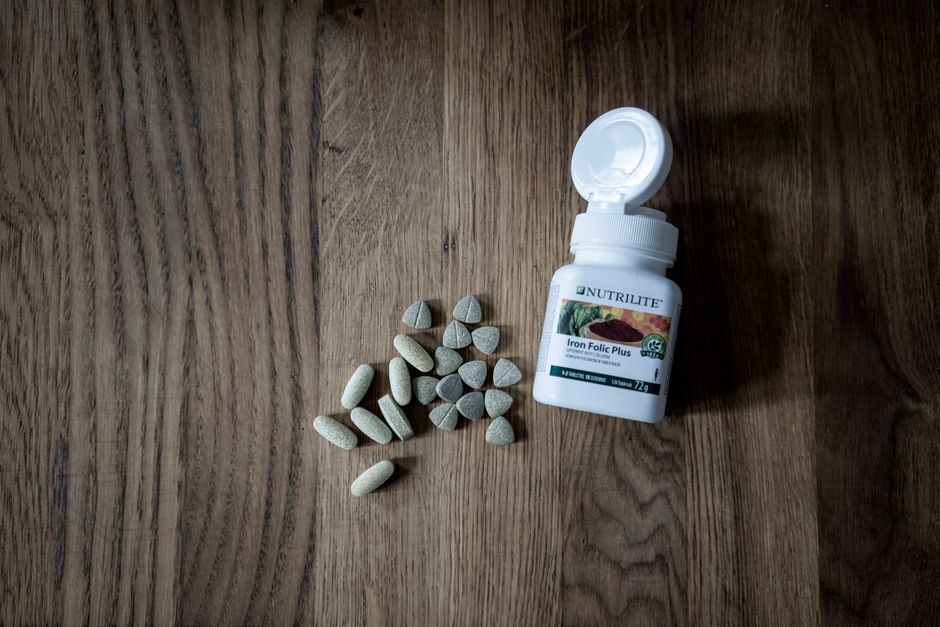
Vitamin C can improve iron absorption from supplements, but the picture is more complicated than with food. Many iron supplements are already formulated as ferrous iron, which your body absorbs reasonably well on its own. Adding vitamin C may help, but the gain is usually smaller than what you see with plant-based meals.
Some supplements combine iron with vitamin C for exactly this reason. Whether that combination outperforms plain ferrous iron in a meaningful way is not fully settled. The evidence is mixed, and results vary depending on the form of iron and the dose.
If you take iron supplements, follow the instructions on the label or from your clinician. Do not add extra vitamin C on your own if you are managing a diagnosed deficiency. More is not automatically better, and high-dose vitamin C can cause digestive upset in some people.
Which Foods Pair Iron and Vitamin C Best?
The practical move is simple. Put a vitamin C source in the same meal as your iron-rich plant food. The pairing has to happen in the same sitting, not hours apart, because the two need to be in your gut together.
- Beans or lentils with tomatoes, bell peppers, or a squeeze of lemon
- Fortified cereal with strawberries or orange slices
- Spinach salad with citrus segments or a citrus-based dressing
- Tofu stir-fry with broccoli and red bell pepper
- Oatmeal with kiwi, which is unusually high in vitamin C
These combinations are not exotic. They are everyday meals that happen to line up the chemistry in your favor.


What Blocks Iron Absorption?
Several common compounds work against iron absorption, and knowing them helps you plan meals. Phytates, found in whole grains, legumes, and nuts, bind iron and reduce how much you absorb. Polyphenols in coffee and tea do the same thing. Calcium, whether from dairy or supplements, competes with iron for absorption.
This does not mean you should avoid these foods. It means timing matters. Coffee or tea with a meal can cut iron absorption from that meal. Having them between meals instead leaves your iron uptake largely intact.
Calcium is a special case because your body needs it too. If you take calcium supplements and iron supplements, separating them by a few hours is a reasonable approach that many clinicians suggest. The same logic applies to a glass of milk with an iron-rich meal.
One clarification worth knowing: the “don’t drink tea with meals” advice gets repeated as if it applies to everyone. It matters most for people who are already low on iron or at risk of deficiency. For someone with normal iron stores, the occasional cup of tea with dinner is not a problem.
How Much Vitamin C Do You Actually Need With a Meal?
You do not need a huge dose to get the absorption benefit. Small amounts of vitamin C eaten with a meal can enhance iron uptake. The effect tends to increase with dose up to a point, then levels off.
A common reference point is the Daily Value for vitamin C, which is 90 mg for adult men and 75 mg for adult women who are not pregnant or breastfeeding. Smokers need more. A single orange provides roughly 70 mg, and a half cup of raw red bell pepper provides well over 90 mg. So a normal serving of a vitamin C-rich food is generally enough to pair with a meal.
There is no established clinical guideline that says “take exactly this many milligrams with this many milligrams of iron.” The relationship is qualitative. Eat vitamin C with iron-rich plant foods, and absorption improves.
Who Should Pay the Most Attention to This?
Some groups benefit from this pairing far more than others. If you fall into any of these categories, the vitamin C and iron combination is worth building into your routine.
- People who eat little or no meat, since they rely on non-heme iron
- Menstruating women, who lose iron every month
- Regular blood donors, who lose iron with each donation
- Pregnant women, whose iron needs rise substantially
- People with diagnosed iron deficiency, under medical guidance
If you are pregnant or breastfeeding, iron needs increase, and your clinician should guide any supplement decisions. No clinical guidelines currently recommend a specific vitamin C dose for the sole purpose of boosting iron absorption in pregnancy. Follow your prenatal care plan.
Does This Mean You Should Rely on Vitamin C Alone?
No. Vitamin C helps you absorb more of the iron you eat. It does not create iron that is not there. If your diet is low in iron, pairing it with vitamin C will not fix a shortfall on its own.
It also will not correct a diagnosed deficiency by itself. Iron deficiency and iron deficiency anemia need proper evaluation, and often treatment, guided by a clinician. Food pairing is a supporting strategy, not a replacement for medical care.
Think of vitamin C as a helper, not a solution. It makes good iron sources work better. It does not turn a poor iron intake into a good one.
Are There Downsides to Loading Up on Vitamin C for Iron?
For most healthy adults, eating vitamin C-rich foods with meals is not a concern. Food sources are generally well tolerated. The picture changes with high-dose supplements.
Large doses of vitamin C can cause diarrhea, nausea, and stomach cramps in some people. There is also a long-standing concern about vitamin C and kidney stones in people who are prone to forming them, though the evidence on this is not clear-cut and appears to depend on dose and individual risk.
If you have a history of kidney stones or a condition that affects iron overload, such as hemochromatosis, talk to your clinician before increasing vitamin C or iron intake. In hemochromatosis, the body absorbs too much iron, and boosting absorption is the opposite of what you want.
The Bottom Line
Vitamin C genuinely improves iron absorption, especially from plant foods. The mechanism is well understood, and the effect is reliable when vitamin C and non-heme iron are eaten in the same meal. For people who rely on plant iron or who are at higher risk of deficiency, this is a simple, low-cost habit with real physiological backing.
It is not a cure for iron deficiency, and it does not replace medical care or a well-balanced diet. But as a mealtime strategy, it holds up.
Frequently Asked Questions
Does vitamin C help absorb iron?
Yes, vitamin C helps your body absorb iron, mainly the non-heme iron found in plant foods. It converts iron into a form your intestine can take in more easily and keeps it soluble during digestion.
How much vitamin C do I need to absorb iron?
There is no established clinical guideline for an exact amount, but a normal serving of a vitamin C-rich food eaten with a meal can enhance absorption. The Daily Value for vitamin C is 90 mg for adult men and 75 mg for adult women who are not pregnant or breastfeeding.
Does vitamin C help absorb iron from supplements?
It may help, but the benefit is usually smaller than with plant foods because many supplements already contain well-absorbed ferrous iron. Follow your clinician’s or the label’s instructions rather than adding extra vitamin C on your own.
What blocks iron absorption?
Phytates in whole grains and legumes, polyphenols in coffee and tea, and calcium can all reduce iron absorption. Having coffee, tea, or calcium supplements between meals instead of with them helps limit the interference.
