
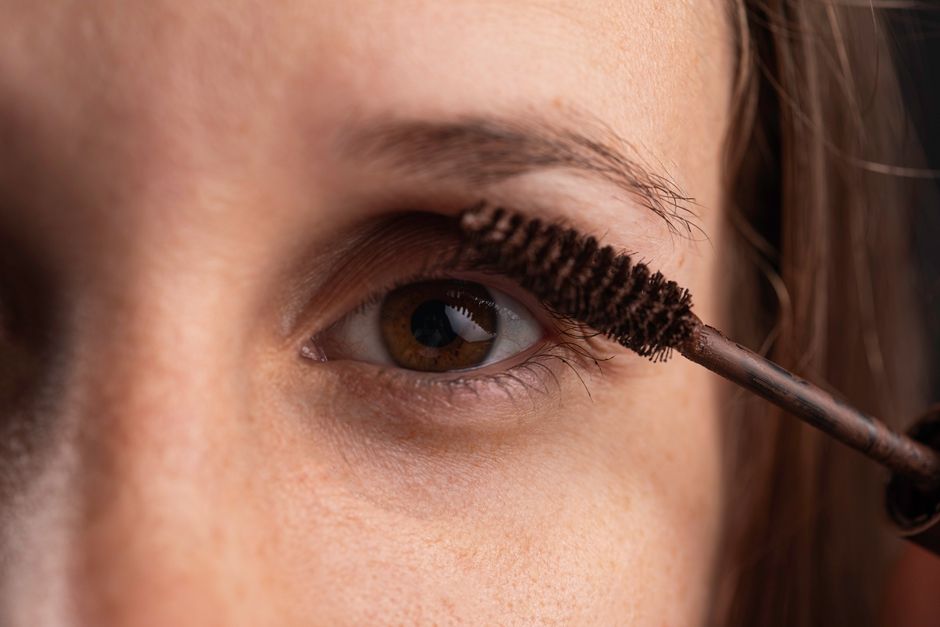
Vaseline does not grow eyelashes. It is a moisturizer, not a growth serum. No clinical evidence shows that petroleum jelly stimulates lash growth or changes the natural growth cycle of your lashes. What Vaseline can do is condition and protect the lashes you already have.
Does Vaseline Grow Eyelashes?
No. Vaseline has no active ingredients that promote hair growth. The product is 100% petroleum jelly, a blend of mineral oils and waxes. It works by sealing moisture into the skin and hair, but it does not signal your hair follicles to produce new cells.
Eyelash growth depends on the hair follicle’s own biology. Genetics, age, and hormones control the growth cycle. No topical ointment can override that system unless it contains specific active ingredients that have been proven to affect the follicle.
Vaseline is not one of those ingredients. It has been used for decades as a skin protectant, but its effect on eyelashes is cosmetic, not biological.
Why People Think Vaseline Works for Lashes
The belief likely comes from how lashes look after using Vaseline. Petroleum jelly coats each lash with a thin, glossy layer. This makes lashes appear darker, thicker, and more defined. The effect is purely visual.
People also report that their lashes feel softer and look healthier. That is real. Vaseline prevents moisture loss from the hair shaft, which reduces brittleness and breakage. Healthier lashes are less likely to snap off, so over time they may appear longer simply because they are not breaking as often.
That is not the same as growing new lashes. Preventing breakage preserves length. It does not create new growth.
What the Science Says About Petroleum Jelly and Hair
Research on petroleum jelly and hair growth is extremely limited. The studies that exist focus on skin barrier repair and moisture retention, not on hair follicle stimulation. No large human trials have tested Vaseline as an eyelash growth treatment.
Dermatologists generally classify petroleum jelly as an occlusive agent. It forms a barrier on the surface and reduces water loss. That is its entire mechanism of action.
For comparison, the only FDA-approved treatment for eyelash growth is bimatoprost, the active ingredient in Latisse. Bimatoprost works by lengthening the growth phase of the lash cycle. It is a prostaglandin analog that requires a prescription because it has side effects. Vaseline shares none of those properties.
Some research suggests that castor oil, another popular home remedy, may have mild anti-inflammatory properties. But even for castor oil, no clinical evidence confirms it grows lashes. The same standard applies to Vaseline: no evidence of growth, only evidence of conditioning.





Can Vaseline Damage Your Eyelashes or Eyes?
Vaseline is generally safe for use near the eyes, but it is not risk-free. The package label specifically warns against applying it inside the eye. If petroleum jelly gets into the eye, it can blur vision and cause irritation until it is washed out.
There is also a risk of eyelid skin irritation. The skin around the eyes is among the thinnest on the body. Applying a heavy occlusive every night can clog the oil glands along the eyelid margin, a condition called meibomian gland dysfunction. This can lead to dry eyes, redness, and discomfort.
Some people develop milia, which are tiny white bumps caused by trapped keratin under the skin. These are harmless but can be cosmetically bothersome.
If you use Vaseline on your lashes, apply it sparingly with a clean fingertip or a disposable applicator. Never share applicators with other people. Bacterial contamination of the jar is a real concern, especially if you dip fingers directly into the product.
What Actually Helps Eyelashes Grow
If you want longer lashes, the evidence points to a few options. The only prescription treatment with proven efficacy is bimatoprost. Clinical trials show it increases lash length, thickness, and darkness within several weeks of daily use. It requires a prescription and can cause side effects including eye redness, darkening of the eyelid skin, and potentially permanent iris color change in some people.
Over-the-counter lash serums exist, but their results vary. Many contain peptides or botanical extracts. Some small studies suggest certain peptides may support hair health, but no large trials have confirmed these serums work as well as bimatoprost.
Be cautious with any serum claiming dramatic results. The cosmetic industry is not required to prove efficacy before selling a product. Marketing claims are not evidence.
Lash extensions and false lashes offer immediate visual results but come with their own risks. The adhesive can cause allergic reactions, and repeated use can pull out natural lashes.
The most reliable approach is also the least exciting: protect the lashes you have. Avoid rubbing your eyes, remove eye makeup gently, and take breaks from heavy mascara that requires vigorous scrubbing to remove.
How to Use Vaseline on Lashes Safely
If you still want to use Vaseline as a conditioning treatment, do it correctly. Apply a tiny amount to clean, dry lashes at night. A pea-sized amount is more than enough for both eyes. Use a clean spoolie brush or your fingertip to spread it evenly.
Wash your hands before application. Do not share the jar with others. Replace the product if it changes color or smell, which can indicate contamination.
Stop use if you experience any redness, swelling, or irritation around the eyes. These symptoms may indicate an allergic reaction or blocked glands. If symptoms persist, see a dermatologist or eye doctor.
For people with sensitive skin, a patch test on the inner arm before applying near the eyes is a reasonable precaution.
Other Home Remedies for Eyelash Growth
Castor oil is the most common alternative. It is rich in ricinoleic acid, which has anti-inflammatory properties. Some people report softer, shinier lashes with regular use. But again, no clinical evidence confirms it grows lashes. The same logic applies: conditioning is not growth.
Coconut oil and olive oil are also used, with similar limitations. They moisturize and may reduce breakage, but they do not stimulate follicles.
Vitamin E oil is sometimes recommended. Topical vitamin E can be beneficial for skin health, but its role in eyelash growth is unproven. Some people develop contact dermatitis from vitamin E oil, so caution is warranted.
Biotin supplements are popular for hair growth. The evidence for biotin is strongest in people with a documented biotin deficiency. For healthy individuals with normal biotin levels, no strong evidence shows that extra biotin grows lashes or scalp hair.
None of these remedies have been studied in large, controlled trials for eyelash growth. Treat any home remedy as cosmetic care, not medical treatment.
When to See a Doctor About Eyelash Loss
If you are losing lashes in patches or clumps, that is different from slow growth. Sudden lash loss can signal an underlying condition. Alopecia areata, thyroid disorders, and certain skin conditions can all affect lash density.
Eyelash loss can also be a side effect of some medications. Chemotherapy drugs are the most common cause, but certain glaucoma drops and some acne medications can also cause lash thinning.
See a doctor if you notice patchy loss, redness, scaling, or crusting along the lash line. These symptoms may indicate an infection or an inflammatory condition that needs specific treatment.
A dermatologist can evaluate the health of your hair follicles and determine whether a treatable cause is present. Do not attempt to diagnose yourself based on internet research.
Frequently Asked Questions
Does Vaseline make eyelashes grow longer?
No. Vaseline does not stimulate hair growth. It can condition lashes and reduce breakage, which may make them appear longer over time.
Is it safe to put Vaseline on your eyelashes every night?
It is generally safe for most people when applied sparingly, but it can clog eyelid glands and cause irritation in some. Stop use if you experience redness or discomfort.
What is the fastest way to grow eyelashes?
The only proven treatment is prescription bimatoprost, which requires a doctor’s prescription. Home remedies and over-the-counter serums have limited or no clinical evidence for growth.
Can Vaseline cause eye infections?
Vaseline itself is sterile when first opened, but contamination can occur if you dip fingers into the jar. Always wash hands before use and never share the product with others.
