
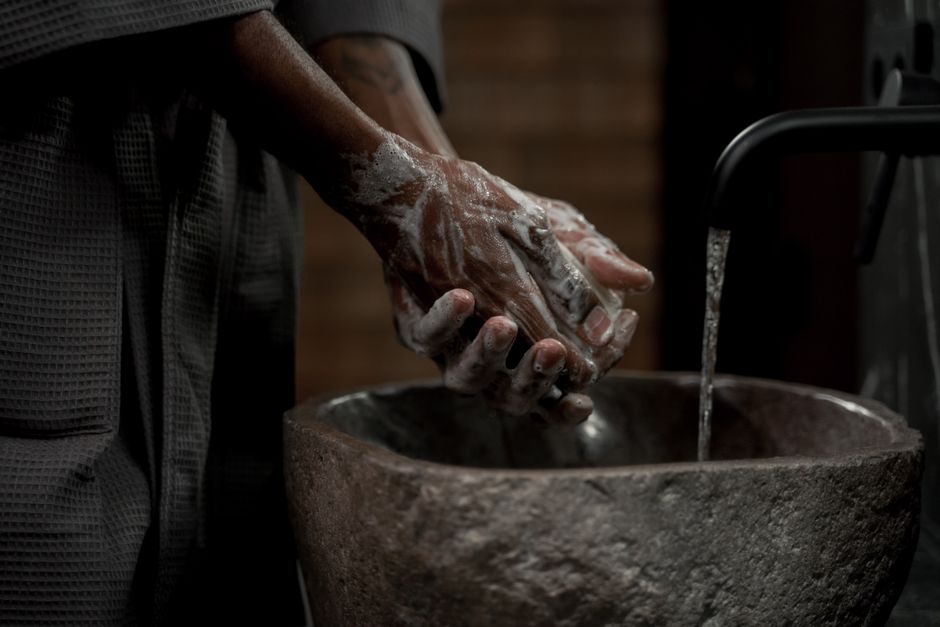
Yes, you can use hand soap to wash dishes in a pinch, but it is not the best choice for routine cleaning. Hand soap is designed to remove germs from skin, not to cut through grease and food residue on plates and pans. It will get your dishes visibly clean, but it lacks the degreasing power of dish soap, and some hand soaps contain ingredients you do not want left on items you eat from.
Can You Use Hand Soap To Wash Dishes?
The short answer is yes, in an emergency. If you run out of dish soap and have a sink full of dirty dishes, hand soap will remove food particles and most bacteria. It is not toxic if rinsed thoroughly. The bigger concern is residue. Hand soaps often contain moisturizers, fragrances, and thickeners that can cling to dishes and require extra rinsing to remove completely.
Dish soap is formulated differently. It is built to break down grease and food oils quickly, and it rinses off clean without leaving a film. Hand soap is not designed for that job. It will foam and clean, but you may need to scrub harder and rinse longer to get the same result.
What Is the Difference Between Hand Soap and Dish Soap?
The main difference is in the surfactants, which are the cleaning agents in soap. Dish soap uses stronger surfactants that target grease and oil. Hand soap uses milder surfactants that are gentle on skin but less effective at breaking down food fats.
There is also a difference in additives. Hand soaps often include moisturizers like glycerin, aloe, or shea butter. These are great for your hands but leave a residue on dishes. Dish soaps avoid these ingredients because they would interfere with the clean rinse you expect from your plates and glasses.
Fragrance is another factor. Hand soaps are often heavily scented. That scent can linger on plastic containers and cutting boards even after rinsing. Dish soap is usually lightly scented or unscented, so it does not transfer smells to your food.
Is Hand Soap Safe to Eat Off of Dishes?
Hand soap is safe to eat off dishes if you rinse them well. The ingredients in hand soap are not toxic at the levels that would remain after a proper rinse. However, “safe” and “ideal” are different things.
The concern is not poisoning. It is residue. Moisturizers and fragrances can remain on the surface of a dish if you do not rinse thoroughly. That residue can affect the taste of food and drinks, especially in porous materials like plastic or wood. Glass and ceramic rinse more easily, but they can still hold a film if the soap is thick or heavily formulated.
If you use hand soap on dishes, rinse them under running water for longer than you normally would with dish soap. A quick dip in a sink of rinse water is not enough. Run each item under the tap and rub the surface with your hands to feel for any slippery film.





What Happens If You Use Hand Soap on Dishes Regularly?
Regular use of hand soap on dishes is not harmful, but it is impractical. You will use more water and more time trying to rinse off the residue. Grease buildup can also occur over time, especially on pans and baking sheets, because hand soap does not break down oils as effectively.
There is also a small risk of flavor transfer. If you consistently use a strongly scented hand soap, your plastic food storage containers may start to smell like that soap. That smell can then transfer to leftovers. This is not a health risk, but it is unpleasant.
The evidence does not suggest any long-term health danger from using hand soap on dishes occasionally. The bigger issue is simply that it does the job poorly compared to dish soap.
What Should You Use Instead of Dish Soap?
If you are out of dish soap, there are better alternatives than hand soap. These options clean effectively and rinse clean without leaving residue.
- Baking soda — a mild abrasive that removes stuck-on food and neutralizes odors. It does not cut grease well on its own, but it works for light cleaning.
- White vinegar — cuts grease and removes mineral buildup. It is acidic, so it works well on glass and stainless steel, but it should not be used on natural stone or aluminum.
- Castile soap — a vegetable-based soap that is stronger than hand soap and rinses more cleanly. It is a legitimate substitute for dish soap in most cases.
- Boiling water — for heat-safe items, boiling water can sanitize and remove food residue without any soap at all.
None of these are perfect replacements for dish soap. Baking soda and vinegar work best as supplements, not full substitutes. Castile soap is the closest option to actual dish soap, but it is more expensive and still requires thorough rinsing.
Does Hot Water Kill Bacteria Without Soap?
Hot water alone does not reliably kill bacteria on dishes. Most household tap water is not hot enough to sanitize. Water heaters are typically set to 120°F to prevent scalding, and that temperature is not sufficient to kill most bacteria quickly.
Soap is what does the work. Soap molecules break the bonds that hold bacteria and food particles to the surface of a dish. The physical action of scrubbing and rinsing removes the bacteria from the dish and sends it down the drain. Hot water helps dissolve grease and makes the soap more effective, but it is not the sanitizing agent.
If you want to sanitize dishes, the most reliable method is a dishwasher with a sanitize cycle or soaking dishes in a dilute bleach solution. For most everyday cleaning, washing with dish soap and hot water is sufficient.
Can You Use Dish Soap on Your Hands?
This is the reverse question, and it is worth addressing because it comes up often. Yes, you can use dish soap on your hands, but it is harsh on skin. Dish soap is formulated to remove grease, which means it also strips the natural oils from your skin. Frequent use can cause dryness, cracking, and irritation.
If you have no hand soap available, dish soap will clean your hands effectively. It is safe for occasional use. But it should not replace hand soap for daily handwashing, especially in cold weather or if you already have dry skin.
The same logic applies in reverse. Hand soap is not formulated to handle grease. Dish soap is not formulated to be gentle on skin. Each works best for its intended purpose, and swapping them regularly is not ideal for either your dishes or your hands.
Frequently Asked Questions
Is hand soap toxic if used on dishes?
No, hand soap is not toxic when used on dishes and rinsed thoroughly. The ingredients are safe at the trace levels that remain after proper rinsing.
Can hand soap residue make you sick?
No evidence suggests that hand soap residue at rinse levels causes illness. It can affect taste and leave a film, but it is not a known health hazard.
What is the best substitute for dish soap?
Castile soap is the closest substitute that cleans and rinses well. Baking soda and vinegar work for light cleaning but do not cut grease as effectively.
Does rinsing dishes with hot water remove soap residue?
Running water is more important than water temperature for removing residue. Rub the dish surface under running water until no slippery film remains.
