
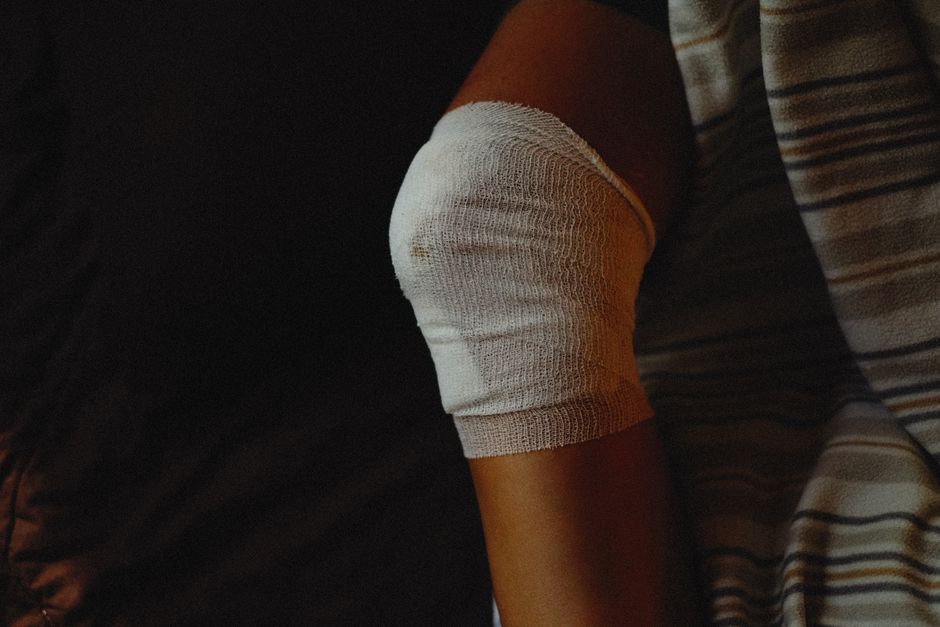
Swelling after an injury or surgery is frustrating, and you may have heard that compression socks or wraps can help. The direct answer is yes, compression does help with certain types of swelling, particularly swelling caused by injury, surgery, or poor blood flow in the legs. However, it is not a universal fix, and using the wrong type or amount of compression can cause problems, so understanding how it works matters before you reach for a bandage.
How Does Compression Actually Reduce Swelling?
Compression works by applying gentle, external pressure to the body’s tissues. This pressure helps push fluid out of the swollen area and back into the circulatory system, where it can be processed and removed by the body. Think of it like squeezing a wet sponge — the pressure helps move the excess fluid along a path it should naturally follow.
Your body’s circulatory system relies on a series of one-way valves in the veins to push blood back up to the heart. When these valves weaken or when fluid builds up after tissue damage, fluid can pool in the lower legs or around an injury. Compression garments support this system by reducing the space available for fluid to accumulate and by assisting the veins in moving blood upward. This is why compression is a standard part of treatment for conditions like venous insufficiency, where the veins struggle to return blood to the heart efficiently.
For acute injuries like ankle sprains, compression is one part of the well-known RICE protocol (Rest, Ice, Compression, Elevation). The pressure limits the amount of fluid that can rush into the damaged tissue, which reduces swelling and can help limit pain. It does not heal the tissue itself, but it creates better conditions for recovery by preventing excessive fluid buildup that can stiffen joints and slow movement.
Does Compression Help With Swelling From Injury or Surgery?
Yes, for most soft tissue injuries and after many surgical procedures, compression is a well-established tool. When you sprain an ankle or strain a muscle, small blood vessels tear and leak fluid into the surrounding tissue. That fluid accumulation is the visible swelling you see. Compression bandages or sleeves physically limit that accumulation, which can reduce pain and make it easier to move the injured area during early recovery.
After surgery, compression is often used to manage swelling and reduce the risk of blood clots. Surgeons frequently prescribe compression stockings or intermittent pneumatic compression devices — which are inflatable sleeves that rhythmically squeeze the legs — to keep blood moving while a patient is less mobile. This is a standard, evidence-based practice in hospitals, particularly after joint replacements or abdominal surgeries.
That said, compression is not a substitute for elevation or movement. For an ankle sprain, elevating the foot above heart level is often more effective than compression alone because gravity helps drain fluid. Compression works best when combined with other recovery strategies, not as a standalone cure.
What Types of Compression Are Available?
There are several categories of compression products, and they are not interchangeable. Choosing the right one depends on the cause of your swelling and the area of your body affected.
- Compression stockings or socks: These are graduated, meaning they are tightest at the ankle and gradually loosen toward the knee or thigh. They are primarily used for leg swelling from prolonged sitting, standing, pregnancy, or chronic venous insufficiency.
- Compression wraps or bandages: These are elastic bandages used for acute injuries like sprains or strains. They provide even, adjustable pressure and are often applied by a healthcare professional or athletic trainer.
- Compression sleeves: These cover a specific area like a calf, arm, or knee. They are commonly used during exercise or for recovery after workouts, though the evidence for their benefit in healthy athletes is less clear than for medical uses.
- Intermittent pneumatic compression devices: These are machine-driven sleeves that inflate and deflate rhythmically. They are used in hospitals and sometimes at home for severe lymphedema or to prevent blood clots after surgery.
Graduated compression stockings are the most studied type. They come in different pressure levels, measured in millimeters of mercury (mmHg). Mild compression is around 15-20 mmHg, moderate is 20-30 mmHg, and firm is 30-40 mmHg. Over-the-counter options typically fall in the mild range, while prescription-strength stockings require a fitting by a clinician.





When Does Compression Not Help or Make Things Worse?
Compression is not appropriate for every type of swelling. If your swelling is caused by a heart condition, kidney disease, or liver failure, compression stockings will not fix the underlying problem. These conditions cause fluid retention throughout the body, and treating them requires medical management rather than external pressure.
Compression can also be harmful in certain situations. If you have peripheral artery disease (PAD), where narrowed arteries reduce blood flow to the legs, compression can further restrict circulation and cause tissue damage. Signs of PAD include leg pain with walking and poor wound healing. If you have any open wounds, skin infections, or deep vein thrombosis (a blood clot), you should not apply compression without a doctor’s guidance.
Wearing compression that is too tight can cut off circulation entirely. Numbness, tingling, increased pain, or skin discoloration are signs that the compression is too tight. A properly fitted compression garment should feel snug but comfortable, and it should never cause your toes to turn blue or your leg to feel cold.
What Does the Evidence Say About Over-the-Counter Compression?
Research consistently supports the use of compression stockings for managing swelling related to chronic venous insufficiency and for preventing blood clots in hospitalized patients. Some studies also suggest that compression garments can reduce post-operative swelling and help with recovery after certain surgeries. The evidence is strongest for leg swelling and for use under medical supervision.
For athletic recovery, the evidence is more mixed. Some research indicates that compression sleeves worn after intense exercise may reduce perceived muscle soreness, but the effect on actual muscle recovery and performance is less clear. A 2014 review of studies found that compression garments did reduce markers of muscle damage and soreness after exercise, but the practical significance for most people is modest. If you feel better wearing them, that is a reasonable reason to use them, but they are not a proven performance enhancer.
There is also a common misconception that compression stockings can prevent varicose veins from forming. Some research suggests they may slow the progression of existing veins, but they do not prevent new ones from developing. They are a management tool, not a cure.
How Tight Should Compression Be?
The right amount of pressure depends on why you need it. For mild ankle swelling from a sprain, a simple elastic bandage that is snug but not painful is sufficient. You should be able to slide one finger under the bandage. For chronic leg swelling, graduated stockings are the standard, and the pressure level should be matched to the severity of your condition.
If you are buying compression stockings without a prescription, start with the lightest pressure level available, typically 15-20 mmHg. This is appropriate for mild swelling from prolonged standing or travel. If you have more significant swelling, varicose veins, or a history of blood clots, you should be fitted by a professional, because a poor fit can cause more harm than good.
Compression stockings should be put on in the morning before swelling develops, and they should be removed at night. They should never be worn while sleeping unless a doctor specifically instructs you to do so. Wearing them too long without a break can irritate the skin and create pressure sores, especially in people with fragile skin or diabetes.
Are There Risks or Side Effects to Using Compression?
Most people tolerate properly fitted compression without issues. The most common side effects are skin irritation, itching, or discomfort from the tightness. These are usually minor and resolve when the garment is removed.
More serious risks include skin breakdown, nerve compression, and reduced blood flow. These are rare but more likely in people with diabetes, peripheral neuropathy, or poor circulation. If you have any of these conditions, talk to a doctor before using compression. Do not assume that more pressure is better. The correct amount of pressure is the lowest level that effectively manages your swelling.
There is also a condition called lymphedema, where the lymphatic system fails to drain fluid properly. Compression is a cornerstone of lymphedema treatment, but it requires specialized bandaging techniques and precise pressure levels. Do not attempt to self-treat suspected lymphedema with over-the-counter stockings. This condition needs evaluation by a physical therapist or lymphedema specialist.
When Should You See a Doctor About Swelling?
Swelling that is sudden, severe, or accompanied by pain, redness, or warmth in one leg could be a blood clot and requires immediate medical attention. Swelling that does not improve with elevation, rest, and compression over a few days should also be evaluated. Unexplained swelling in both legs, especially if you also have shortness of breath or difficulty breathing, can signal a heart or lung problem.
If you have a known condition like heart failure or kidney disease, do not start using compression without checking with your care team. They can advise whether compression is safe for your specific situation and what pressure level is appropriate.
Frequently Asked Questions
How long should I wear compression for swelling?
For an acute injury, compression is typically worn for the first 48 to 72 hours, then removed at night. For chronic leg swelling, compression stockings are worn during the day and removed at night.
Can compression make swelling worse?
Yes, if the compression is too tight or applied incorrectly, it can restrict blood flow and worsen swelling. Numbness, tingling, or cold skin are signs to remove it immediately.
Is it safe to sleep in compression socks?
Generally no, compression socks are designed for daytime wear when you are upright and gravity is pulling fluid down. Sleeping in them is usually unnecessary and can cause skin irritation.
Does compression help with swelling in feet and ankles?
Yes, graduated compression stockings are effective for mild to moderate foot and ankle swelling caused by prolonged standing or venous insufficiency. They work best when combined with elevation and regular movement.
