

Yes, vaping constricts blood vessels. Within minutes of inhaling, nicotine causes the muscular walls of your arteries to tighten, and the effect is measurable on ultrasound and other vascular tests. It happens in people who have never smoked, and it happens with products marketed as “nicotine-free” too, though the mechanism differs. The constriction is usually temporary, but repeated exposure over months and years is where the real concern lies.
This is not an anti-vaping talking point. It is a well-documented physiological response, observed consistently in laboratory studies going back more than a decade. What follows explains how it works, how long it lasts, what the research actually shows, and where the honest gaps in the evidence remain.
Does Vaping Constrict Blood Vessels? Yes, Here’s How
Nicotine is a vasoconstrictor. That is a straightforward pharmacological fact, established long before e-cigarettes existed. When nicotine binds to receptors on the smooth muscle cells lining your blood vessels, it triggers the release of catecholamines — primarily norepinephrine — which signal those muscles to contract. The vessel narrows. Blood flow through it drops.
This is the same mechanism at work in a cigarette. The difference with vaping is the delivery method, not the fundamental biology. A vape aerosol carries nicotine into the lungs, where it crosses into the bloodstream through the alveoli and reaches the arterial system within seconds to a couple of minutes.
Research using high-resolution ultrasound has shown measurable increases in arterial stiffness and reductions in blood flow after e-cigarette use. Some studies have found that the inner lining of the artery — the endothelium — shows impaired function shortly after vaping. The endothelium is the single-cell-thick layer that regulates vessel tone, and when it is not working properly, vessels cannot dilate the way they should.
One detail that surprises people: the effect is not limited to nicotine. Several studies have found that e-liquids without nicotine still produce measurable changes in vascular function, likely from the carrier solvents (propylene glycol and vegetable glycerin) and flavoring compounds when heated and inhaled. The nicotine effect is stronger and better characterized, but the aerosol itself appears to do something to blood vessels independent of nicotine.
How Long Does Nicotine Constrict Blood Vessels After Vaping?
The acute constriction typically peaks within a few minutes of vaping and begins to ease within 20 to 30 minutes as nicotine is metabolized and cleared. For most healthy adults, resting vessel tone returns toward baseline within roughly an hour.
That timeline matters less than what happens with repetition. If you vape several times a day, your blood vessels are spending a meaningful portion of each day in a constricted, stiffer state. The endothelium does not get a full recovery window between sessions.
Endothelial function is not just about momentary tightness. The cells lining your arteries regulate inflammation, clotting, and long-term vessel health. Repeated insults — even brief ones — are thought to contribute to endothelial dysfunction over time, which is an early marker of cardiovascular disease. That said, the long-term human data on vaping specifically is still maturing. We have strong short-term evidence and reasonable mechanistic concern, but we do not yet have the decades-long cohort studies that exist for cigarettes.
Be skeptical of anyone who claims a precise recovery timeline for chronic vapers. That number does not exist in the literature.
What Happens to Your Blood Pressure and Heart Rate When You Vape?
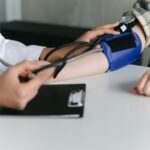
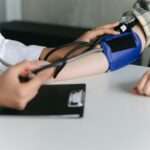
Nicotine raises heart rate and blood pressure within minutes. This is consistent across the research and is not in serious dispute. A typical response includes a modest rise in systolic and diastolic blood pressure and an increase in heart rate of several beats per minute.
The mechanism is sympathetic nervous system activation. Nicotine triggers the “fight or flight” branch of your nervous system, which tightens vessels, speeds the heart, and increases the force of each contraction. Your heart is doing more work against higher resistance.
For a healthy 40-year-old, this is a transient stressor the body handles. For someone with existing hypertension, coronary artery disease, or a history of stroke, the same response is more consequential. That is not a reason for panic — it is a reason to be honest with your doctor about what you use.
Some studies have also found that vaping increases platelet activation and markers of oxidative stress, both of which are relevant to clotting risk. The clinical significance of these findings in otherwise healthy vapers is not fully established, but the direction of the signal is consistent.


Is Vaping Better Than Smoking for Your Blood Vessels?
Yes, in relative terms. That is a real finding and it should not be buried. People who switch completely from combustible cigarettes to e-cigarettes generally show improvements in vascular function compared with people who keep smoking.
Combustion is the main villain in cigarettes. Burning tobacco produces carbon monoxide, tar, and thousands of combustion byproducts that directly damage the endothelium, reduce oxygen delivery, and drive atherosclerosis. E-cigarettes do not produce carbon monoxide at anything like those levels because nothing is burning.
But “better than smoking” is not the same as “safe.” The comparison only holds for people who were already smoking. For someone who has never smoked, starting to vape introduces a cardiovascular stressor where none existed. The net effect is negative.
This distinction gets lost in public messaging on both sides. Vaping is a harm-reduction tool for adult smokers who cannot or will not quit otherwise. It is not a wellness product, and the vascular effects are real regardless of how the marketing frames it.
Do Nicotine-Free Vapes Affect Blood Vessels?
Yes, according to several studies. Nicotine-free e-liquids have been shown to produce measurable changes in endothelial function and arterial stiffness, though the effect size tends to be smaller than with nicotine-containing products.
The likely culprits are the heated aerosol itself — propylene glycol, vegetable glycerin, and the flavoring compounds, some of which are aldehydes when heated. Certain flavorings, particularly cinnamon and menthol, have shown stronger effects in laboratory studies of airway and vascular cells.
What is not yet clear is how these laboratory findings translate to real-world health outcomes over years. The honest position: the evidence indicates that nicotine-free vaping is not biologically inert on the vasculature, and no clinical evidence currently confirms it is safe for long-term cardiovascular health.
Who Should Be Most Careful About Vaping and Blood Vessels?
People with existing cardiovascular disease, uncontrolled high blood pressure, or a history of blood clots have the most reason for caution. The acute vasoconstriction and rise in blood pressure are the same physiological events that those conditions make more dangerous.
Young people deserve separate mention. Adolescence and early adulthood are when the vascular system is still developing its long-term regulatory set points, and nicotine exposure during this window is a known concern for cardiovascular and neurological development. The American Heart Association and other major bodies have stated that e-cigarettes should not be used by youth, pregnant people, or people who have never smoked.
Pregnancy is a specific case. Nicotine constricts blood vessels in the placenta as well as elsewhere, which can reduce blood flow to the fetus. No clinical guidelines establish a safe level of nicotine exposure during pregnancy, and the standard guidance is to avoid all nicotine products. If you are pregnant and using nicotine in any form, that is a conversation to have with your doctor promptly — not a reason for shame, but a reason for a real plan.
What the Research Still Cannot Tell Us
We have good short-term data. We do not have the decades of follow-up that would let anyone say with confidence what daily vaping for 30 years does to cardiovascular risk.
E-cigarettes have been widely used in the US since roughly the early 2010s. That means the longest human exposure data is still measured in years, not decades. Anyone who tells you the long-term vascular risk is definitively known — in either direction — is going beyond the evidence.
What we can say with confidence: the acute vascular effects are real, measurable, and reproducible across multiple independent research groups. The mechanism is well understood. The long-term outcome data is the open question, and it will take years to answer honestly.
Frequently Asked Questions
Does vaping constrict blood vessels immediately?
Yes. Measurable constriction and increased arterial stiffness occur within minutes of vaping, primarily from nicotine but also from the heated aerosol itself.
How long does vasoconstriction last after vaping?
The acute effect typically peaks within minutes and eases over roughly 20 to 30 minutes as nicotine clears. Repeated vaping throughout the day keeps vessels in a constricted state for much of that time.
Do nicotine-free vapes narrow blood vessels?
Some studies show yes, though the effect is generally smaller than with nicotine. The heated solvents and flavorings appear to affect endothelial function on their own.
Is vaping worse for blood vessels than smoking?
No — switching completely from cigarettes to vaping is generally associated with improved vascular function compared with continued smoking. But vaping still has real vascular effects, so it is not risk-free.
