
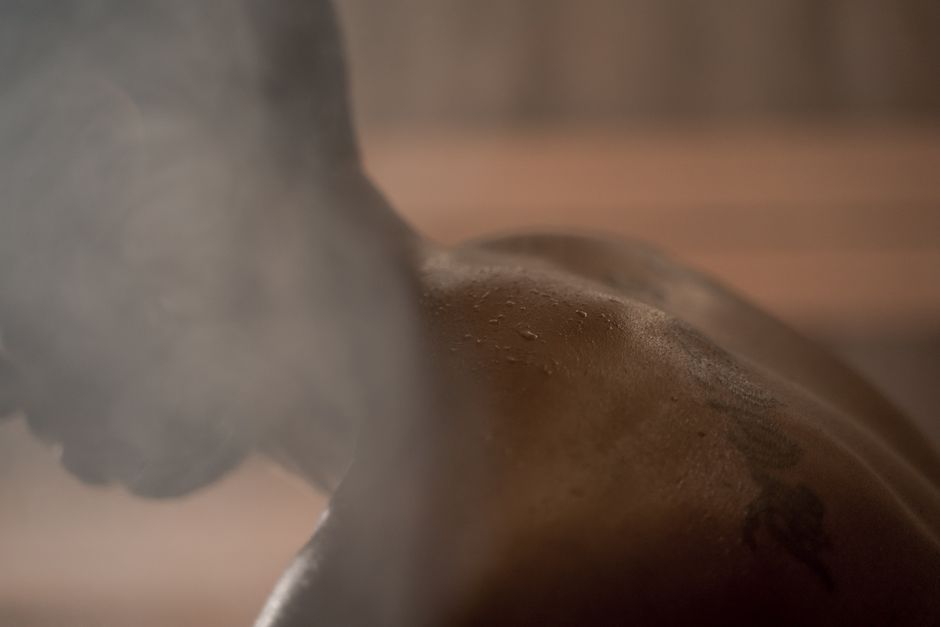
Heat makes blood vessels widen, not narrow. This widening is called vasodilation. When your body gets too hot, it sends more blood to the surface of your skin so heat can escape into the air. This is why your skin flushes red on a hot day or after a workout. The opposite happens when you are cold: your blood vessels narrow, a process called vasoconstriction, which keeps warm blood away from the skin and closer to your vital organs.
How Does Heat Cause Vasodilation?
Your body works hard to keep its core temperature around 98.6°F (37°C). When heat raises that temperature, your brain sends a signal through your nervous system. That signal tells the smooth muscle in your blood vessel walls to relax.
When those muscles relax, the vessels open wider. More blood flows through them. That blood carries heat from your deep tissues to your skin’s surface. From there, the heat radiates into the air. Sweating helps this process work even better because evaporating sweat pulls heat off your skin.
This response is automatic. You do not control it consciously. It is one of your body’s most important cooling mechanisms.
Does Heat Vasoconstrict Or Vasodilate Blood Vessels in All Situations?
In nearly all cases, heat causes vasodilation. But the context matters. Local heat applied to one area, like a warm compress on a sore muscle, widens the vessels in that specific spot. Whole-body heat, like sitting in a sauna or hot bath, widens vessels throughout your body.
There is one exception worth noting. If heat exposure is extreme and causes heat stroke, your body’s cooling system can fail. Blood flow to the skin may drop as your body struggles to maintain blood pressure for your brain and heart. This is a medical emergency, not a normal response to warmth.
For everyday heat — warm weather, exercise, a hot shower — vasodilation is the consistent and expected response.
Why Vasodilation Makes Your Skin Look Red
The widening of blood vessels near the skin’s surface increases blood flow to that area. Blood has a red color, and when more of it fills the tiny vessels under your skin, your skin takes on a reddish or pinkish tone.
This flush is most visible on your face, neck, and chest because those areas have a dense network of blood vessels close to the surface. Fair skin shows this response more clearly than darker skin, but the underlying process is the same for everyone.
This redness is not a sign of harm. It is a sign that your cooling system is working as designed.




What Happens When Heat Is Removed?
When you move to a cooler environment, your body reverses the process. Your blood vessels begin to narrow again. This vasoconstriction reduces blood flow to the skin and keeps warm blood deeper in your body where it protects your organs.
This is why your skin looks pale when you are cold. The vessels near the surface have narrowed, so less blood reaches them. Your body is prioritizing warmth for your internal organs over keeping your skin warm.
Your body constantly balances these two responses. Heat widens vessels. Cold narrows them. This push-and-pull system helps you maintain a stable internal temperature regardless of your surroundings.
Practical Uses of Heat and Blood Vessel Response
Understanding that heat dilates blood vessels has practical applications in medicine and daily life.
For sore muscles, heat applied to the area increases blood flow. That extra circulation brings oxygen and nutrients to the tissue and helps remove waste products. This is why a heating pad feels good on a stiff neck or aching back. The warmth relaxes the muscle and the increased blood flow supports healing.
For joint stiffness, warm water or a warm compress can help. The increased blood flow loosens tissues and makes movement easier. Many people with arthritis find morning stiffness improves after a warm shower.
However, heat is not always the right choice. For a fresh injury with swelling, like a sprained ankle, heat can make swelling worse. The increased blood flow adds fluid to an already swollen area. In that case, cold is better because it narrows vessels and reduces swelling.
Common guidance is to use cold for the first 48 hours after an acute injury and heat for ongoing muscle tightness or joint stiffness. Always follow the advice of a healthcare professional for specific injuries.
How Vasodilation Affects Blood Pressure
When your blood vessels widen, your blood pressure drops. The same volume of blood flows through a larger space, so the pressure against your vessel walls decreases.
This is why you might feel lightheaded after a very hot shower or soak in a hot tub. The heat widens your vessels, blood pools in your skin, and less blood returns quickly to your brain. Standing up suddenly can make this worse.
People with low blood pressure or those taking blood pressure medication should be cautious with intense heat exposure. Hot tubs, saunas, and very hot baths can cause a significant drop in blood pressure. If you feel dizzy, nauseous, or faint in a hot environment, get out and cool down slowly.
Your body compensates for this drop by increasing your heart rate. Your heart beats faster to push blood through the wider vessels. This is why your pulse quickens in hot weather. The combination of wider vessels and a faster heartbeat is a normal, healthy response for most people.
Heat and Exercise: A Combined Effect
Exercise also causes vasodilation. Working muscles need more oxygen, so your body sends more blood to them. When you exercise in a hot environment, you get a double effect: exercise widens vessels in your muscles, and heat widens vessels in your skin.
This combination can put extra demand on your heart. It is working harder to supply both your muscles and your skin at the same time. This is why exercising in extreme heat feels harder than exercising in mild temperatures.
Your body also produces more sweat during hot-weather exercise. That sweat evaporates and cools your skin, which helps the blood near the surface cool down before it returns to your core. This is an efficient system, but it only works if you stay hydrated.
Dehydration reduces blood volume. With less blood, your body has a harder time sending enough to both your muscles and your skin. This is why drinking water before, during, and after exercise in heat is so important.
Does the Type of Heat Matter?
Moist heat and dry heat both cause vasodilation, but they feel different. Moist heat, like a warm bath or steam, transfers heat to your body more efficiently than dry heat. This is why a warm bath can feel more intense than a warm room at the same temperature.
Dry heat, like a sauna, causes more sweating. That sweating helps cool your body and can make the experience more tolerable. Both types of heat widen your blood vessels. The difference is mainly in how the heat feels and how much you sweat.
There is no strong evidence that one type of heat is better for blood vessel dilation than the other. Choose whichever feels comfortable and is safe for your health situation.
Frequently Asked Questions
Does heat always cause vasodilation?
Yes, in normal circumstances heat causes blood vessels to widen. The only exception is extreme heat stroke, where the body’s cooling system fails and blood flow to the skin may decrease.
Is vasodilation from heat dangerous?
For healthy people, no. It is a normal cooling response. It can be risky for people with low blood pressure or certain heart conditions, especially in very hot environments like saunas or hot tubs.
Does cold cause vasoconstriction?
Yes. Cold temperatures cause blood vessels to narrow, which keeps warm blood near your vital organs and away from your skin. This is why your skin looks pale when you are cold.
Why does my skin turn red in heat?
Heat widens the blood vessels near your skin’s surface. More blood flows through them, and the red color of the blood shows through your skin, creating a flushed appearance.
