
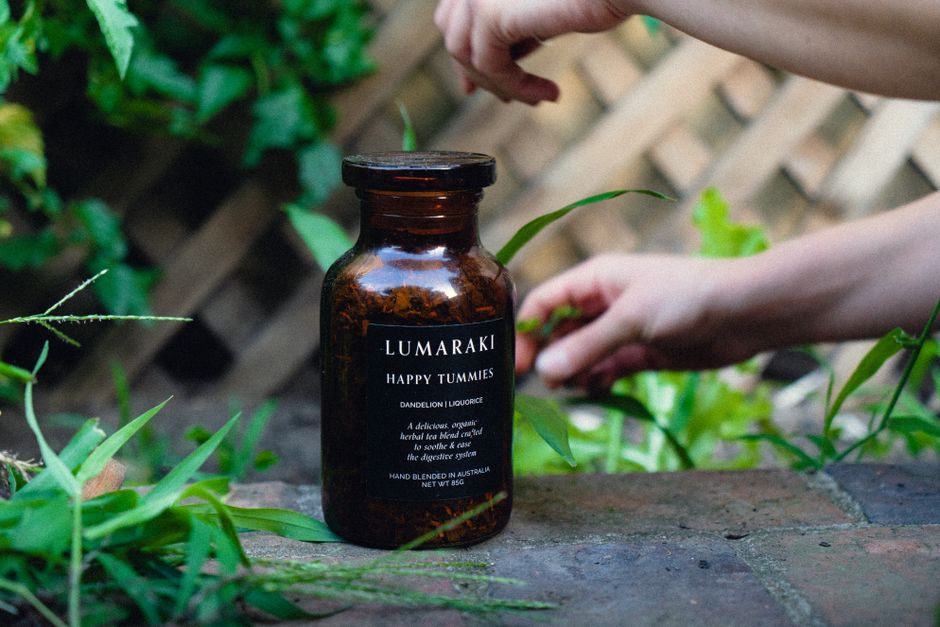
Turmeric can help with bloating for some people, but it is not a guaranteed fix. The active compound in turmeric, curcumin, has anti-inflammatory properties that may calm the digestive tract. However, the evidence is mixed, and turmeric can actually cause bloating in some individuals, especially at high doses. The short answer is that turmeric may reduce bloating related to inflammation, but it is not a proven treatment for all types of bloating.
What Causes Bloating in the First Place?
Bloating happens when gas builds up in your gastrointestinal tract. This can come from swallowing air while eating, or from the natural process of your gut bacteria breaking down undigested food. Certain foods like beans, lentils, and cruciferous vegetables produce more gas during digestion.
Bloating can also stem from more serious conditions. Irritable bowel syndrome (IBS), small intestinal bacterial overgrowth (SIBO), and food intolerances like lactose intolerance can all cause frequent bloating. In these cases, the underlying condition drives the symptom, and treating the cause matters more than adding any single supplement.
Inflammation plays a role in some digestive discomfort. When the gut lining is irritated, it can swell and feel bloated. This is where turmeric’s anti-inflammatory properties enter the picture.
How Does Turmeric Affect Digestion?
Curcumin, the active compound in turmeric, is well studied for its anti-inflammatory effects. Research consistently shows that curcumin can reduce markers of inflammation in the body. Since some bloating involves inflammation of the gut lining, the logic that turmeric might help is reasonable.
Turmeric also stimulates bile production. Bile helps your body break down fats, and better fat digestion can reduce the feeling of fullness after a heavy meal. Some people find that adding turmeric to a fatty meal helps them digest it more comfortably.
However, there is a catch. Turmeric is not gentle on every stomach. It can stimulate acid production, and for people with acid reflux or gastritis, turmeric might make symptoms worse. Some people report that turmeric causes bloating and gas rather than relieving it.
Does Turmeric Help with Bloating? What the Evidence Shows
The clinical evidence specifically linking turmeric to reduced bloating is limited. Some studies on turmeric for IBS have shown improvements in overall digestive symptoms, including bloating. But these studies often combine turmeric with other treatments, making it hard to isolate its effect.
A few small trials have looked at turmeric alone for digestive complaints. Results suggest some benefit for general abdominal discomfort, but the improvements are modest. No large, high-quality trial has confirmed that turmeric reliably reduces bloating across different populations.
What the evidence does support is turmeric’s role in managing inflammation. If your bloating stems from an inflammatory condition like IBS, turmeric may offer some relief. If your bloating comes from eating too fast, swallowing air, or a food intolerance, turmeric is unlikely to help.





How Much Turmeric Should You Take for Bloating?
No established clinical guidelines exist for using turmeric specifically to treat bloating. For general inflammation, studies have used curcumin extracts at doses ranging from 500 to 1,000 mg per day. These doses typically contain high concentrations of curcumin, not plain turmeric powder.
Plain turmeric powder is only about 2 to 5 percent curcumin by weight. A typical culinary dose of turmeric — about one teaspoon — contains roughly 50 to 100 mg of curcumin. That is far below the amounts used in clinical studies.
If you want to try turmeric for bloating, consider the form carefully. Curcumin is poorly absorbed on its own. Many supplements include black pepper extract, which contains piperine, a compound that can increase curcumin absorption significantly.
Start with a low dose and pay attention to how your body responds. If turmeric causes stomach pain, heartburn, or increased bloating, stop taking it. Your individual reaction matters more than any general recommendation.
Who Should Not Take Turmeric for Bloating?
Turmeric is not safe for everyone. People with gallbladder disease or gallstones should avoid turmeric supplements because they stimulate bile production. If bile cannot drain properly, symptoms can worsen.
People taking blood thinners should be cautious. High doses of curcumin can affect blood clotting. Some research suggests it may interact with anticoagulant medications like warfarin.
Pregnant women should not take turmeric supplements in high doses. The amounts used in cooking are generally considered safe, but concentrated extracts have not been studied adequately in pregnancy.
If you have an upcoming surgery, stop turmeric supplements at least two weeks beforehand. The blood-thinning effect, while modest, adds unnecessary risk during surgical procedures.
What Else Can Help with Bloating?
Turmeric is one of many options, and it may not be the best one for your specific situation. Several lifestyle changes have stronger evidence for reducing bloating.
Eating more slowly reduces the amount of air you swallow. Chewing food thoroughly also helps. Smaller, more frequent meals can prevent the stomach from becoming overly full, which reduces pressure and bloating.
Regular physical activity helps move gas through the digestive tract. Even a short walk after meals can make a noticeable difference for some people.
Peppermint oil has better evidence for reducing bloating and abdominal pain, particularly in IBS. Some research suggests it relaxes the muscles of the intestinal wall, allowing gas to pass more easily.
Probiotics show promise, but results vary widely depending on the strain and the individual. Some studies indicate certain probiotic strains reduce bloating, while others show no benefit. If you try probiotics, give them at least four weeks before judging the effect.
Keeping a food diary can help you identify specific triggers. Common culprits include artificial sweeteners, carbonated drinks, and high-FODMAP foods. FODMAPs are fermentable carbohydrates that produce gas when broken down by gut bacteria.
How to Use Turmeric Safely
If you decide to try turmeric for bloating, the culinary route is the safest starting point. Adding turmeric to soups, rice dishes, or smoothies gives you a modest dose without the risks of concentrated extracts.
If you prefer supplements, choose a product with a standardized curcumin content. Look for brands that include black pepper extract or use a formulation designed for better absorption. Follow the manufacturer’s dosing instructions rather than exceeding them.
Give it a fair trial. Use turmeric consistently for two to four weeks and track your symptoms. If you notice no improvement in that time, it is probably not the right solution for your bloating.
Remember that supplements are not regulated the same way medications are. The amount of curcumin in a product can vary between brands and batches. Choose reputable manufacturers and check for third-party testing when possible.
When to See a Doctor About Bloating
Occasional bloating is normal. But some symptoms warrant medical attention. See a doctor if bloating is severe, persistent, or accompanied by unintentional weight loss.
Bloating with blood in the stool, fever, or vomiting requires prompt evaluation. These symptoms can signal a more serious condition like inflammatory bowel disease or an obstruction.
If bloating interferes with your daily life or does not respond to simple dietary changes, a doctor can help identify the root cause. They may test for food intolerances, SIBO, or other digestive conditions that turmeric cannot address.
Frequently Asked Questions
Can turmeric make bloating worse?
Yes, turmeric can cause bloating in some people. It stimulates stomach acid production, which can irritate the digestive tract and lead to gas and discomfort.
How long does it take for turmeric to help with bloating?
There is no established timeline for turmeric to relieve bloating. Some people notice effects within a few days, but a two to four week trial is more realistic for judging whether it works for you.
Is turmeric tea good for bloating?
Turmeric tea provides a low dose of curcumin that may help some people with mild bloating. The warm liquid and hydration can also support digestion, but the effect is generally mild.
Should I take turmeric with food or on an empty stomach?
Take turmeric with food to reduce the risk of stomach irritation. Taking it on an empty stomach increases the chance of heartburn or digestive discomfort.
