
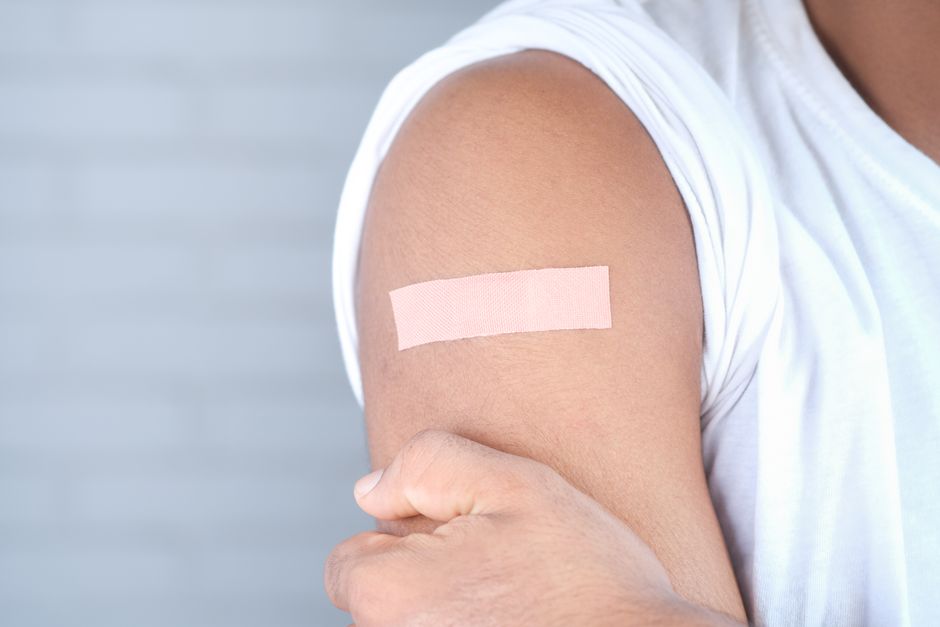
Many people ask whether the pneumonia vaccine also protects against RSV. The short answer is no. The pneumonia vaccine targets specific bacteria that cause pneumonia, not respiratory syncytial virus (RSV). They are completely different types of infections, and one vaccine does not cover the other. You need separate vaccines for each condition.
What Exactly Does the Pneumonia Vaccine Protect Against?
The pneumonia vaccine protects against Streptococcus pneumoniae, a type of bacteria. This bacteria can cause pneumonia, but it can also cause other serious infections like meningitis and bloodstream infections. The vaccine does not protect against viral infections like RSV, COVID-19, or the flu.
There are two main types of pneumonia vaccines available in the United States. One is called PCV (pneumococcal conjugate vaccine), and the other is called PPSV (pneumococcal polysaccharide vaccine). Both target the same bacteria but work slightly differently in the body. The CDC has specific recommendations for which adults should get which vaccine and when.
The confusion is understandable. Both vaccines prevent respiratory illness, and both are often recommended for older adults. But the protection they offer is specific to different pathogens. A vaccine trains your immune system to recognize one specific threat, not all respiratory threats at once.
What Is RSV and How Is It Different From Pneumonia?
RSV stands for respiratory syncytial virus. It is a common virus that causes cold-like symptoms in most people. For most healthy adults, RSV feels like a mild cold. But for infants and older adults, it can become serious and lead to pneumonia or bronchiolitis.
RSV is a virus. Pneumococcal pneumonia is caused by bacteria. This is the core difference. Antibiotics treat bacterial infections but do nothing against viruses. Vaccines are equally specific. The pneumonia vaccine teaches your immune system to fight bacteria. An RSV vaccine teaches it to fight a virus.
RSV can lead to pneumonia as a complication. This is likely where the confusion comes from. If someone gets RSV and then develops a secondary bacterial pneumonia, the pneumonia vaccine may offer some protection against that secondary infection. But it does nothing to prevent the RSV infection itself.
Does the Pneumonia Vaccine Protect Against RSV?
No. The pneumonia vaccine provides no protection against RSV. This is a clear, evidence-based answer. The two vaccines target entirely different pathogens, and there is no cross-protection between them.
Clinical trials and public health data have never shown that pneumococcal vaccines reduce the risk of RSV infection. The immune response triggered by the pneumonia vaccine is highly specific to the pneumococcal bacteria. It does not create antibodies that recognize RSV.
If you are trying to protect yourself against RSV, you need a separate RSV vaccine. In recent years, the FDA has approved RSV vaccines for older adults. These are given separately from the pneumonia vaccine, though they can be administered at the same doctor’s visit.




Who Should Get the RSV Vaccine?
The CDC recommends RSV vaccination for adults aged 60 and older, based on shared clinical decision-making. This means you should talk to your healthcare provider about whether the RSV vaccine is right for you. Your doctor will consider your overall health, chronic conditions, and risk factors.
Adults with chronic heart or lung disease, weakened immune systems, or certain other conditions may benefit more from RSV vaccination. The same is true for residents of nursing homes or long-term care facilities. These groups face higher risk of severe RSV complications.
RSV vaccines are also recommended for pregnant women during certain stages of pregnancy. This protects the newborn baby during the first months of life, when RSV can be most dangerous. Infants have no approved RSV vaccine of their own, so maternal vaccination is the primary strategy.
Can You Get Both Vaccines at the Same Time?
Yes. You can receive the pneumonia vaccine and the RSV vaccine at the same appointment. Studies have shown that co-administration is safe and does not reduce the effectiveness of either vaccine.
Some people report mild side effects when getting both vaccines together, such as soreness at the injection site or low-grade fever. These side effects are generally mild and resolve within a day or two. The convenience of getting both at once often outweighs the minor discomfort.
However, you should always tell your healthcare provider about all vaccines you have received recently. This helps them track your vaccination history and ensure you receive the correct doses at the correct intervals.
What Else Can You Do to Prevent RSV?
Beyond vaccination, basic prevention measures reduce your risk of RSV. Frequent hand washing with soap and water is one of the most effective methods. RSV spreads through respiratory droplets when an infected person coughs or sneezes. It can also survive on surfaces for hours.
Avoid touching your face, especially your eyes, nose, and mouth. Clean frequently touched surfaces like doorknobs, light switches, and countertops regularly. If you are around someone with cold symptoms, maintain distance when possible.
For older adults and people with chronic conditions, avoiding crowded indoor spaces during RSV season can help. RSV season in the United States typically runs from fall through spring, overlapping with flu season. Wearing a mask in high-risk settings may also reduce transmission.
Key Differences Between Pneumonia and RSV Vaccines
| Feature | Pneumonia Vaccine | RSV Vaccine |
|---|---|---|
| Target | Streptococcus pneumoniae bacteria | Respiratory syncytial virus |
| Type of infection prevented | Bacterial pneumonia, meningitis, bloodstream infection | Viral respiratory infection |
| Recommended for | Adults 65+, younger adults with certain conditions | Adults 60+, pregnant women |
| Protection against the other | None | None |
This table summarizes the key differences. The most important takeaway is that neither vaccine protects against the other infection. They are separate tools for separate problems.
Why the Confusion Persists
Medical terminology is confusing. The word “pneumonia” describes an infection of the lungs, not a specific pathogen. Both bacteria and viruses can cause pneumonia. When people hear “pneumonia vaccine,” they often assume it prevents all forms of pneumonia. That is not accurate.
The pneumonia vaccine specifically prevents pneumococcal pneumonia, which is caused by one type of bacteria. RSV pneumonia, viral pneumonia, and pneumonia caused by other bacteria are not covered. This distinction matters for making informed health decisions.
Another source of confusion is that both vaccines target the same age groups. Older adults are recommended to get both the pneumonia vaccine and the RSV vaccine. When your doctor recommends multiple vaccines at one visit, it is easy to assume they protect against the same things.
Frequently Asked Questions
Can the pneumonia vaccine prevent RSV?
No. The pneumonia vaccine only protects against pneumococcal bacteria and provides no protection against RSV.
Do I need both the pneumonia and RSV vaccines?
Many older adults qualify for both, and they protect against different infections. Talk to your doctor about which vaccines are recommended for you.
Is RSV the same as pneumonia?
No. RSV is a virus that can cause pneumonia as a complication, but pneumonia is an infection of the lungs that can have many causes.
Can I get the RSV vaccine and pneumonia vaccine together?
Yes, they can be given at the same appointment and are safe to co-administer.
