
Pneumonia can be caused by bacteria, viruses, or fungi, but the two most common types are bacterial and viral. Bacterial pneumonia is treated with antibiotics, while viral pneumonia is not. The key difference comes down to the specific germ causing the infection, which changes how the illness develops and how it is managed.
What Is Pneumonia and How Does It Develop?
Pneumonia is an infection that inflames the air sacs in one or both lungs. These air sacs, called alveoli, may fill with fluid or pus. That fluid makes it harder for oxygen to reach the blood, which causes the cough, fever, and trouble breathing people associate with the illness.
The infection begins when germs enter the lungs. Normally, the immune system clears these invaders. But when the germs multiply faster than the immune system can respond, the tissue becomes inflamed and the air sacs fill with fluid. The type of germ determines how fast this happens and how sick a person becomes.
Is Pneumonia Bacterial Or Viral Key Differences?
The simplest way to separate bacterial from viral pneumonia is by the germ that causes it. Bacterial pneumonia comes from bacteria like Streptococcus pneumoniae. Viral pneumonia comes from viruses, most commonly influenza, respiratory syncytial virus (RSV), or SARS-CoV-2, the virus that causes COVID-19.
Bacterial pneumonia often comes on suddenly. A person may feel fine in the morning and have a high fever, shaking chills, and a productive cough by evening. Viral pneumonia usually develops more gradually. It often starts with symptoms that resemble a cold or flu, such as a dry cough, headache, and muscle aches, before progressing to shortness of breath.
One important distinction is that viral pneumonia can sometimes lead to bacterial pneumonia. This is called a secondary bacterial infection. The virus damages the lining of the airways, making it easier for bacteria to attach and multiply. This is why a person with viral pneumonia may seem to improve, then suddenly get worse with a higher fever and thicker mucus.
How Do Doctors Tell the Difference?
Doctors use several tools to determine whether pneumonia is bacterial or viral. No single test is perfect, so they often combine information from the history, physical exam, and lab work.
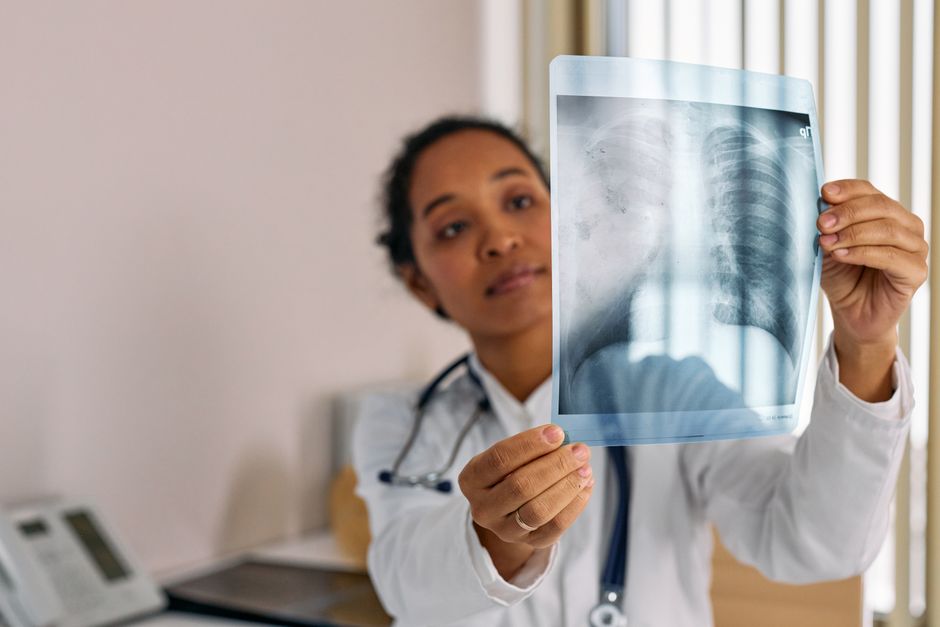
A chest X-ray is usually the first step. It shows where the infection is in the lungs. Bacterial pneumonia often appears as a dense, localized area of consolidation — meaning one section of the lung is filled with fluid. Viral pneumonia tends to show a patchier, more diffuse pattern that spreads across both lungs. But these patterns overlap, so the X-ray alone cannot confirm the cause.
A blood test can check for an elevated white blood cell count, which often indicates a bacterial infection. However, viral infections can also raise white blood cells, so this is not definitive. The most reliable method is a sputum culture, where mucus coughed up from the lungs is tested in a lab. If bacteria grow, the cause is bacterial. Viral testing, such as a PCR test on a nasal swab, can identify specific viruses like influenza or RSV.
Symptoms: How They Compare Side by Side
The symptoms of bacterial and viral pneumonia overlap significantly. Both cause cough, fever, fatigue, and shortness of breath. But some patterns are more common in one type than the other.
| Feature | Bacterial Pneumonia | Viral Pneumonia |
|---|---|---|
| Onset | Sudden, often within hours | Gradual, over several days |
| Fever | High, often above 102°F with chills | Usually lower, but can be high with flu |
| Cough | Productive with yellow, green, or bloody mucus | Often dry at first |
| Body aches | Less prominent | Prominent, especially with influenza |
| Other symptoms | Sharp chest pain when breathing deeply | Headache, sore throat, runny nose |
These differences are trends, not rules. A person with viral pneumonia can have a high fever and a productive cough. A person with bacterial pneumonia can have a mild fever. The only way to be certain is through testing.
Treatment Approaches Are Fundamentally Different
Antibiotics treat bacterial pneumonia. They work by killing bacteria or stopping them from multiplying. For most healthy adults, a course of oral antibiotics taken at home is sufficient. The choice of antibiotic depends on the likely bacteria, the person’s age, and whether they have other health conditions.
Antibiotics do nothing against viruses. Taking them for viral pneumonia not only fails to help, it contributes to antibiotic resistance. This is a serious public health issue where bacteria evolve to survive the drugs designed to kill them.
Viral pneumonia is managed differently. Antiviral medications exist for influenza and COVID-19, and they work best when started early in the illness. For other respiratory viruses, treatment focuses on supportive care — rest, fluids, and fever reducers like acetaminophen or ibuprofen. The immune system clears the virus on its own in most people.
Some cases of viral pneumonia become severe enough to require hospital care. This is more common in older adults, young children, and people with weakened immune systems. In the hospital, treatment may include oxygen therapy, intravenous fluids, and close monitoring. If a secondary bacterial infection develops, antibiotics are added.
Who Is Most at Risk for Each Type?
Risk factors overlap, but some patterns are worth noting. Bacterial pneumonia is more common in adults over 65 and in people with chronic conditions like chronic obstructive pulmonary disease (COPD), diabetes, or heart disease. Smoking damages the lungs’ natural defenses and increases the risk of bacterial infection.
Viral pneumonia is more common during respiratory virus season, which in the United States typically runs from late fall through early spring. Young children, especially those under two, are particularly vulnerable to RSV pneumonia. Older adults are at higher risk of severe viral pneumonia from influenza and COVID-19.
People with weakened immune systems — from conditions like HIV, cancer treatment, or organ transplantation — are at higher risk for both types. They are also more likely to develop pneumonia from less common germs, including fungi. This is why doctors ask about a person’s full medical history before deciding on treatment.
Can Vaccines Prevent Pneumonia?
Yes, vaccines are the most effective way to prevent many causes of pneumonia. The pneumococcal vaccines protect against Streptococcus pneumoniae, the most common cause of bacterial pneumonia. These vaccines are recommended for all children under two, all adults over 65, and younger adults with certain medical conditions.
The annual flu vaccine does not directly prevent pneumonia, but it prevents influenza. Since influenza is a major cause of viral pneumonia, preventing the flu reduces pneumonia risk. The COVID-19 vaccines work the same way — they reduce the chance of severe infection, which lowers the risk of pneumonia as a complication.
RSV vaccines are now available for older adults and for pregnant women to protect infants. RSV is a leading cause of viral pneumonia in young children. These vaccines have been shown to reduce severe RSV disease, though they are not 100 percent effective.
When Should You See a Doctor?
Pneumonia can become serious quickly. Anyone with a persistent cough, fever, and shortness of breath should see a healthcare provider. The earlier the cause is identified, the sooner appropriate treatment can begin.
Seek emergency care if you or someone else has difficulty breathing, chest pain, confusion, a bluish tint to the lips or fingertips, or a fever that does not come down with medication. These signs can indicate that the pneumonia is severe or that oxygen levels are dropping. In these situations, do not wait to see if symptoms improve.
Frequently Asked Questions
Can viral pneumonia turn into bacterial pneumonia?
Yes, this happens. The virus damages the airway lining, which allows bacteria to invade and cause a secondary infection.
Which is worse, bacterial or viral pneumonia?
Both can be serious, but bacterial pneumonia is more likely to require hospitalization in adults. Viral pneumonia is more common and often milder, though influenza and COVID-19 pneumonia can be severe.
How long does it take to recover from each type?
Bacterial pneumonia typically improves within one to three weeks with antibiotics. Viral pneumonia may take longer, sometimes four to six weeks, because the body must clear the virus on its own.
Do antibiotics work on viral pneumonia?
No. Antibiotics only kill bacteria. They have no effect on viruses and should not be taken for a confirmed viral infection.
