
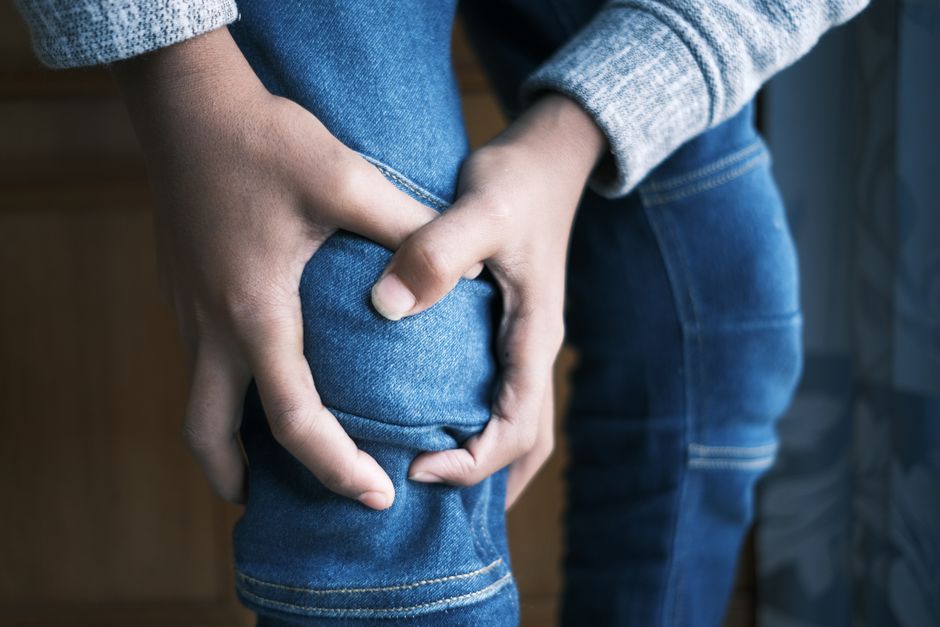
Testosterone does not directly cause joint pain. In fact, the relationship runs mostly the other way: low testosterone is linked to more joint aches, not fewer. The confusion comes from a few real situations where testosterone therapy and joint symptoms overlap, and from the way hormones, inflammation, and aging interact in ways that are easy to misread.
If your knees, shoulders, or hands hurt and you are also taking testosterone or thinking about it, the honest answer is that the hormone itself is rarely the cause. Something else usually is. This article explains what the evidence actually shows, where the misunderstanding comes from, and what to look at instead.
Does Testosterone Cause Joint Pain?
No. There is no established mechanism by which testosterone damages joints, and no clinical evidence that normal testosterone levels produce joint pain. The confusion usually comes from three places.
First, people starting testosterone therapy sometimes notice fluid retention. This can cause swelling in the ankles, hands, and occasionally a feeling of stiffness. That is not joint damage. It is water shifting into tissues, and it usually settles as the body adjusts. It is also more common with higher doses and with certain formulations.
Second, men with low testosterone often have joint pain to begin with. Aging lowers testosterone. Aging also raises the odds of osteoarthritis, tendon problems, and old injuries flaring up. When someone starts therapy and their joints still hurt, it is easy to blame the new variable. The pain was probably already there.
Third, some men on testosterone train harder, lift heavier, and recover differently. New activity in a 50-year-old body can irritate tendons and joints. That is a training issue, not a hormone issue.
What is well established is the opposite direction. Low testosterone is associated with more joint and muscle complaints, not fewer. Research consistently shows that men with low levels report more musculoskeletal aching than men with normal levels.
Why Do People Think Testosterone Causes Joint Pain?
The belief mostly comes from timing and from the way side effects get reported.
When someone starts a new medication and something changes in their body, the mind connects the two. This is normal and it happens with almost every drug. Testosterone is no exception. Joint aches that were already developing get attributed to the new prescription.
There is also a real, documented effect worth knowing about. Testosterone therapy can raise red blood cell production. This is called erythrocytosis. It is one of the more common measurable changes on therapy. It does not directly cause joint pain, but it can cause headaches, fatigue, and a feeling of fullness that people sometimes describe vaguely as “everything hurting.”
Aromatization is another piece people bring up. Some testosterone converts to estradiol, a form of estrogen. Estrogen affects joints, bone, and connective tissue. But the idea that this conversion causes joint pain is not supported by clinical evidence. Estrogen is generally protective for joint tissue in both men and women, not harmful.
One clarification worth making: joint pain after a testosterone injection is not a recognized reaction to the injection itself. Injection site soreness is common. Pain in distant joints is not a known effect.
What Does Low Testosterone Actually Do to Muscles and Joints?
Low testosterone affects the musculoskeletal system in ways that are well documented. It reduces muscle mass and strength. It lowers bone density over time. It can reduce the cushioning and support that muscles provide around joints.
When the muscles around a joint get weaker, the joint takes more load. That can produce aching, stiffness, and a sense that things “don’t move right.” This is one reason men with low testosterone often report more joint discomfort, not less.
Testosterone also plays a role in tendon and ligament health, though the research here is less complete. Some studies suggest androgen receptors are present in connective tissue and that hormones influence how these tissues repair. The exact clinical significance of this is still being worked out. It is reasonable to say hormones matter for connective tissue. It is not reasonable to say low testosterone causes arthritis.
What is clear:
- Low testosterone is linked to reduced muscle mass and strength
- Low testosterone is linked to lower bone mineral density
- Men with low testosterone report more musculoskeletal aching
- Testosterone therapy does not reliably relieve joint pain, even when levels normalize
That last point matters. If you are hoping testosterone will fix your knees, the evidence does not support that expectation.





Can Testosterone Therapy Make Joint Pain Worse?
In some people, yes, but usually indirectly. The therapy itself is not attacking the joint.
The most common indirect route is fluid retention. Testosterone can cause the body to hold more water and sodium. This shows up as swelling in the hands, feet, and ankles. Swollen tissue around a joint can feel stiff and sore, especially in the morning or after sitting.
Another route is dose. Higher doses are more likely to cause fluid retention and erythrocytosis. Some clinicians who prescribe testosterone aim for the lower end of the normal range rather than the top, partly for this reason. This is common clinical practice, though the ideal target range is still debated.
A third route is activity. Men who feel more energetic on therapy often increase their training. New or heavier activity in tendons that have not adapted can cause tendinitis, which people sometimes describe as joint pain. The tendon, not the joint, is the source.
If joint pain starts or worsens after beginning therapy, the reasonable steps are to check for swelling, review the dose with your prescriber, and get a blood count. Erythrocytosis is measurable and manageable. It is not something to guess about.
What Else Could Be Causing Your Joint Pain?
Most joint pain in adults aged 35 to 65 has a cause unrelated to testosterone. The hormone is usually a bystander.
Osteoarthritis is the most common. It comes from cartilage wearing down over time and from old injuries. It tends to worsen with use and improve with rest, though the pattern varies.
Inflammatory arthritis is different. Conditions like rheumatoid arthritis cause joint pain that is often worse in the morning and lasts more than an hour. They also tend to affect joints on both sides of the body. These are immune conditions and need a different kind of care.
Tendinitis and bursitis are common and often mistaken for joint pain. The pain is usually near the joint but not inside it. It is worse with specific movements.
Other contributors worth ruling out:
- Thyroid problems, which can cause muscle and joint aching
- Vitamin D deficiency, which is linked to bone and muscle pain
- Sleep apnea, which is common in men with low testosterone and can worsen pain perception
- Medications, including certain blood pressure drugs and statins
- Old injuries that never fully healed
If joint pain is persistent, affecting your sleep, or coming with swelling, redness, or warmth, that is a reason to see a clinician rather than adjust hormones on your own.
Does Treating Low Testosterone Help Joint Pain?
The evidence is limited and mixed. Testosterone therapy reliably improves some things in men with confirmed low levels: libido, energy, and lean muscle mass among them. Joint pain relief is not one of the established benefits.
Some men report that their joints feel better on therapy. It is hard to know how much of that is the hormone, how much is better sleep, and how much is the placebo effect, which is strong in pain research. No large trial has confirmed that testosterone therapy reduces joint pain as a primary outcome.
There is a reasonable indirect case. If therapy improves muscle strength and activity, joints may feel better supported. If it improves sleep, pain may feel less sharp. But that is not the same as saying testosterone treats joint pain. Biological plausibility is not the same as demonstrated benefit.
For joint pain specifically, the interventions with the strongest evidence are not hormonal. They include physical therapy, targeted strength training, weight management where relevant, and in some cases specific medications. These are worth pursuing regardless of what your testosterone level is.
If you have confirmed low testosterone and joint pain, treating the low testosterone is reasonable for the reasons it is normally treated. Just do not expect it to be a joint pain solution.
When to Talk to a Doctor
Joint pain that lasts more than a few weeks, or that comes with swelling, redness, or warmth, deserves a medical visit. So does joint pain that wakes you at night or that is getting worse rather than better.
If you are on testosterone therapy and notice new joint symptoms, tell your prescriber. They can check your dose, your blood count, and whether fluid retention is playing a role. Do not stop or change your dose without talking to them first.
If you are considering testosterone therapy for joint pain, that is not a reason to start it. Testosterone is a treatment for confirmed low testosterone, not a general joint remedy. A clinician can check your levels and help you decide whether therapy makes sense for you.
Frequently Asked Questions
Can testosterone cause joint pain?
No. There is no established mechanism by which testosterone causes joint pain, and no clinical evidence linking normal levels to joint symptoms. Fluid retention on therapy can cause stiffness, but that is not joint damage.
Can low testosterone cause joint pain?
Low testosterone is linked to more musculoskeletal aching, largely through reduced muscle mass and strength. It does not cause arthritis, and treating it does not reliably relieve joint pain.
Why do my joints hurt more on testosterone therapy?
Fluid retention, higher training loads, or a pre-existing joint problem are the usual explanations. Erythrocytosis is another possibility and can be checked with a blood test.
Does testosterone help with joint pain?
No large trial has confirmed that testosterone therapy reduces joint pain. Some men report feeling better, but the evidence does not establish it as a treatment for joint symptoms.
