
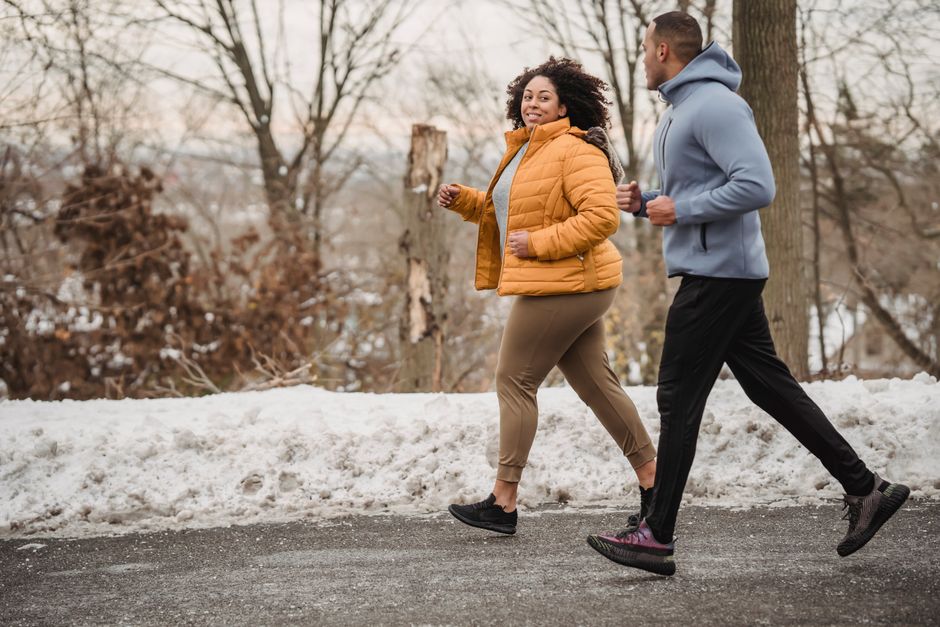
Tai Chi walking is a slow, deliberate form of movement that borrows the steps of tai chi and turns them into forward travel. It can burn calories and support weight loss, but only if it is part of a consistent routine and paired with a sensible eating pattern. On its own, it is a gentle activity that burns far fewer calories per minute than brisk walking, jogging, or cycling.
That does not make it useless. For people who cannot tolerate high-impact exercise, or who need a way to move that feels manageable and steady, tai chi walking can be a real starting point. The honest answer is that it works as a supporting habit, not as a standalone fat-loss method.
What Is Tai Chi Walking?
Tai chi is a traditional Chinese movement practice built on slow, controlled motions, weight shifting, and steady breathing. Tai chi walking takes those same principles and applies them to walking itself.
Instead of striding normally, you move at a slow pace and place each foot with care. The heel lands first. Weight shifts gradually from the back foot to the front. The knees stay slightly bent. The spine stays upright. Breathing stays calm and even.
There is no single official standard for tai chi walking. Different teachers emphasize different things. Some focus on balance and posture. Others add arm movements or coordinate the steps with breath. What ties the variations together is pace and intention, not a fixed set of rules.
That flexibility is part of its appeal. It is also part of the problem when people try to measure it. If no two sessions look alike, comparing calorie burn across sessions is difficult.
Does Tai Chi Walking Burn Enough Calories to Lose Weight?
Weight loss depends on a calorie deficit, meaning you take in fewer calories than you use over time. Exercise contributes to that deficit, but it is usually a smaller piece than most people expect. Food intake generally matters more.
Tai chi walking sits on the low end of the exercise intensity scale. It is comparable to slow walking, and slow walking burns relatively few calories per minute. A gentle pace for 30 minutes will not come close to what a brisk walk or a jog of the same length would burn.
This is where a lot of people get disappointed. They hear that walking helps with weight loss, assume any walking counts the same, and then wonder why nothing changes after a month of slow practice.
What tai chi walking can do is add movement to a day that otherwise has little. For someone who is mostly sedentary, that matters. Going from very little activity to a daily 20 or 30 minute session increases total energy use, and that increase can support a deficit when eating is also managed.
What it cannot do is outpace a high-calorie diet. No form of walking will.
How Does Tai Chi Walking Compare to Regular Walking?
Regular walking at a moderate or brisk pace burns more calories per minute than tai chi walking. This is not a close comparison. Speed and effort drive energy use, and tai chi walking deliberately keeps both low.
The trade-off is accessibility. Tai chi walking is easier on the joints, easier to sustain for people with balance concerns, and often easier to start if you have been inactive for a long time.
There is also a skill element. Tai chi walking asks for attention to posture and weight transfer. Some people find that focus keeps them engaged in a way that plain walking does not. That is a real factor in adherence, and adherence is what actually determines whether any exercise routine produces results.
| Activity | Relative Intensity | Joint Impact | Calorie Burn |
|---|---|---|---|
| Tai chi walking | Low | Very low | Lowest of the three |
| Regular walking (moderate pace) | Moderate | Low | Moderate |
| Brisk walking or jogging | Moderate to high | Moderate to high | Highest of the three |
Exact calorie numbers depend on body weight, pace, and duration, so no single figure applies to everyone. The ranking above holds regardless.





What Does the Research Actually Show?
Tai chi has been studied far more than tai chi walking specifically. Research on tai chi as a whole has focused mainly on balance, fall prevention, joint pain, and quality of life in older adults. Those areas have a reasonable body of evidence behind them.
Weight loss is not one of the outcomes tai chi research has strongly established. Some studies have looked at tai chi and body composition, and results have been mixed. Many of those studies were small, short, and did not tightly control diet, which makes it hard to separate the effect of the movement from everything else going on in participants’ lives.
As for tai chi walking as a distinct practice, there is very little direct research. Most of what gets said about it is extrapolated from general walking studies or from tai chi studies that measured something other than weight.
That does not mean it is worthless. It means the specific claim that tai chi walking causes weight loss has not been demonstrated in controlled trials. Anyone telling you otherwise is going beyond what the evidence supports.
Can Tai Chi Walking Help With Weight Loss in Other Ways?
Indirect effects are where tai chi walking may earn its place. They are not the same as burning calories, but they can influence whether weight loss happens at all.
- Building a habit. A routine you actually do beats an intense routine you quit after two weeks. Low-intensity movement is easier to repeat daily.
- Reducing stress. Tai chi incorporates slow breathing and focused attention. Some studies suggest mind-body practices can lower perceived stress. Chronic stress is associated with eating patterns that work against weight loss, though the relationship is complex and not fully understood.
- Improving balance and confidence. Better balance can make other forms of exercise feel safer, which may open the door to more vigorous activity later.
- Adding non-exercise movement. Any increase in daily movement contributes to total energy expenditure, even if the amount per session is small.
None of these are dramatic. Together, they can make a difference for someone starting from a low baseline.
Who Might Benefit Most From Tai Chi Walking?
The people most likely to get something out of tai chi walking are those for whom harder exercise is not realistic right now. That includes older adults with balance concerns, people recovering from injury, and anyone with joint pain that makes brisk walking uncomfortable.
It is also worth considering for people who have tried and failed with more intense programs. If every attempt ends in soreness, fatigue, or quitting, a gentler entry point may be more productive than another round of the same thing.
For someone who already walks briskly several times a week, tai chi walking will not add much to a weight loss effort. It could serve as a recovery-day activity or a way to work on balance, but it will not move the calorie needle.
Anyone with a medical condition, recent surgery, or mobility limitation should check with a clinician before starting, as with any new activity.
How Should You Use Tai Chi Walking If Weight Loss Is the Goal?
Treat it as one part of a plan, not the plan itself. The parts that matter most for weight loss are what you eat and how much total activity you accumulate across the week.
If tai chi walking is your main movement, consider adding a moderate-pace walk on some days. Even 15 to 20 minutes at a faster pace will burn more than a longer session at tai chi speed. Alternating the two gives you the gentleness of one and the energy cost of the other.
Strength training is also worth including. Muscle mass affects resting energy use, and resistance training helps preserve muscle during weight loss. This matters more as you get older, since muscle mass tends to decline with age regardless of what you do.
On the food side, the fundamentals have not changed. A modest calorie deficit, enough protein, and fewer highly processed foods do more for weight loss than any single exercise choice.
Track your progress over weeks, not days. Weight fluctuates for reasons that have nothing to do with fat loss, including hydration and sodium intake. Looking at a monthly trend is more useful than stepping on the scale every morning.
What Are the Limits of Tai Chi Walking for Weight Loss?
The main limit is energy cost. Slow movement burns few calories, and no amount of good posture changes that. If your goal is meaningful weight loss and your eating is unchanged, tai chi walking alone is unlikely to get you there.
The second limit is evidence. There is no strong body of research showing that tai chi walking produces weight loss. The claims you see online are mostly built on the general benefits of walking and the general benefits of tai chi, stitched together into a promise neither one makes on its own.
That is not a reason to skip it. It is a reason to be clear about what you are doing and why. If you enjoy it, it helps you move more, and it fits your body, that is enough justification. It does not need to be sold as a weight loss method to be worth your time.
Frequently Asked Questions
Does tai chi walking work for weight loss?
It can support weight loss as part of a calorie-controlled plan, but it burns too few calories to drive weight loss on its own. Think of it as a gentle activity that adds to your daily movement, not a standalone solution.
How many calories does tai chi walking burn?
It burns roughly similar to slow walking, which is on the low end compared to brisk walking or jogging. Exact numbers vary by body weight, pace, and duration, so no single figure applies to everyone.
Is tai chi walking better than regular walking for weight loss?
No. Regular walking at a moderate or brisk pace burns more calories per minute than tai chi walking. Tai chi walking is easier on the joints and easier to sustain, which can matter for consistency.
How often should I do tai chi walking to see results?
Most general activity guidelines suggest aiming for at least 150 minutes of moderate activity per week, and tai chi walking can count toward that total. Whether it leads to weight loss still depends mainly on your eating pattern.
