
Swimming is often called the perfect workout, but many people wonder if it actually builds muscle or just tones you up. The short answer is yes, swimming can build muscle, but it works differently than lifting weights. You build muscle in the pool through resistance, not through heavy loading, which changes how your body responds and what kind of results you can expect.
How Swimming Builds Muscle Compared to Weightlifting
Muscle growth happens when your muscles work against resistance that challenges them. In the gym, that resistance comes from weights. In the pool, the water itself provides the resistance. Water is about 800 times denser than air, so every stroke you take forces your muscles to push against significant force.
This resistance is constant throughout the entire movement. When you lift a dumbbell, the hardest part is often at the beginning of the lift. Water resistance, however, works against you in every direction. Your muscles stay engaged through the whole stroke, which creates a different type of muscle activation.
The key difference is that swimming primarily builds muscular endurance rather than maximum strength or size. Weightlifting with heavy loads and lower repetitions creates more muscle bulk because it causes microscopic tears in muscle fibers that trigger significant growth. Swimming uses lighter resistance over many repetitions, which builds leaner, more defined muscle.
Which Muscles Swimming Targets
Swimming is a full-body exercise, but different strokes emphasize different muscle groups. The muscles you build depend heavily on which strokes you swim and how often you swim them.
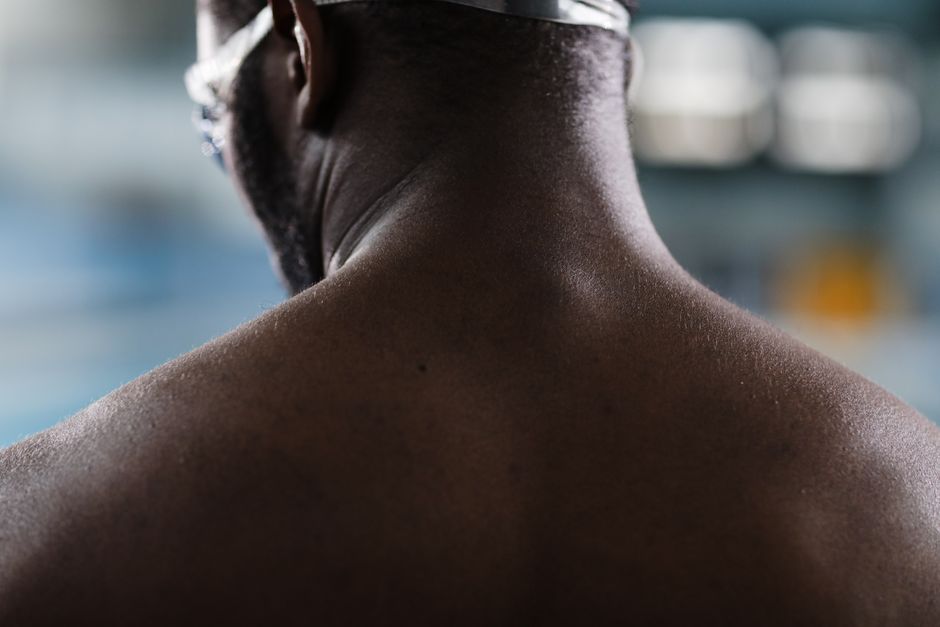
Freestyle and backstroke mostly work the upper body. Your latissimus dorsi, the large muscles in your back, do most of the pulling work. Your shoulders, triceps, and core also activate heavily. These strokes build a V-shaped torso and defined arms.
Breaststroke and butterfly recruit more chest and leg muscles. Breaststroke uses your pectorals and inner thighs significantly. Butterfly demands powerful shoulder and chest engagement along with strong core activation. Swimmers who focus on these strokes tend to develop more chest and leg definition.
The core muscles work constantly in every stroke. Your abdominal muscles and lower back stabilize your body so you stay flat in the water. This is why competitive swimmers typically have strong, well-developed core muscles.
Why Swimmers Look Different From Lifters
If you compare a competitive swimmer to a bodybuilder, you will see clear differences. Swimmers tend to have long, lean, defined muscles. Lifters often have larger, bulkier muscles. This difference comes down to how each activity stresses the muscle fibers.
Weightlifting with heavy weights primarily recruits fast-twitch muscle fibers. These fibers grow quickly and have the most potential for size. Swimming at moderate intensity primarily uses slow-twitch fibers, which are more endurance-oriented and do not grow as large.
Sprint swimming, however, is different. Short, explosive efforts in the pool recruit fast-twitch fibers similar to weightlifting. Swimmers who do sprint sets can build more noticeable muscle size than those who only do long, steady distance swimming.
Another factor is body composition. Swimmers typically carry less body fat than the general population because swimming burns significant calories. Lower body fat makes the muscle you do have more visible, which can create the impression of more definition even when total muscle mass is moderate.





Can Swimming Alone Build Significant Muscle Mass?
For most people, swimming alone will not produce the same muscle size as a dedicated weightlifting program. The resistance in water is real, but it is not progressive in the same way weights are. In the gym, you can add five pounds to the bar each week. In the pool, you cannot easily increase the resistance beyond swimming faster or using equipment like paddles.
Muscle growth requires progressive overload. This means your muscles must face increasing demands over time to keep growing. Swimmers can achieve some progressive overload by increasing speed, distance, or using tools like hand paddles or drag suits. But these methods have limits compared to adding weight to a barbell.
Research consistently shows that resistance training with weights produces greater gains in muscle mass than swimming alone. Some studies suggest that combining swimming with resistance training gives the best results for overall fitness. Swimmers who want maximum muscle growth typically add gym sessions to their training.
That said, beginners often see noticeable muscle development when they start swimming regularly. If you have not exercised much before, any new physical activity can stimulate muscle growth. Swimming can be enough to build visible muscle for someone starting from a sedentary baseline.
How to Maximize Muscle Building in the Pool
If your goal is to build as much muscle as swimming can offer, your training approach matters. Not all swimming builds muscle equally. The way you structure your swim sessions affects your results.
Short, intense intervals build more muscle than long, slow distance swimming. Sprint sets of 25 to 50 meters with rest between each repeat force your muscles to work harder and recruit more muscle fibers. These efforts more closely mimic the demands of resistance training.
Using equipment can increase resistance. Hand paddles make your arms push against more water with every stroke. A drag suit or a swim parachute adds resistance as you pull through the water. These tools create a greater training stimulus for muscle growth.
Swimming frequency also matters. To see meaningful muscle changes, most people need to swim at least three to four times per week. Consistency over months is what produces visible results. Swimming once a week will maintain fitness but will not build much new muscle.
Your diet matters too. Building muscle requires adequate protein intake. Most adults need somewhere in the range of 0.5 to 0.8 grams of protein per pound of body weight daily when trying to build muscle. Without enough protein, your body cannot repair and rebuild the muscle tissue that swimming breaks down.
Swimming as a Complement to Strength Training
Many athletes use swimming as a complement to their gym workouts rather than a replacement. Swimming offers benefits that weightlifting does not. It builds cardiovascular endurance, improves lung capacity, and is gentle on joints because the water supports your body weight.
For people recovering from injury or dealing with joint pain, swimming allows training without the impact of running or the joint stress of heavy lifting. This makes it a valuable tool for maintaining muscle during recovery periods.
Some lifters add swimming to their routine for active recovery days. Light swimming increases blood flow to muscles without causing additional damage. This can help reduce soreness after intense lifting sessions.
For overall fitness, a combination approach works best. Weight training builds maximum strength and size. Swimming builds endurance, cardiovascular health, and lean muscle tone. Together they create a more complete fitness profile than either alone.
Who Should Choose Swimming for Muscle Building
Swimming is an excellent choice for certain people and less ideal for others. Understanding your goals helps you decide if swimming should be your primary muscle-building activity.
Swimming works well if you want lean, functional muscle rather than maximum size. Swimmers develop practical strength that supports athletic performance across many sports. The muscle you build in the pool translates well to activities requiring endurance and upper body strength.
Swimming is a poor choice if your primary goal is maximum muscle size. Bodybuilders and powerlifters need heavy progressive resistance that swimming cannot provide. These athletes should keep weight training as their main focus.
Age and joint health matter in this decision. Older adults often find swimming more comfortable than heavy weightlifting because it eliminates joint compression. Swimming can help maintain muscle mass as you age without the injury risks associated with heavy lifting.
Frequently Asked Questions
How long does it take to see muscle growth from swimming?
Most people notice visible changes in muscle tone within 8 to 12 weeks of consistent swimming three or more times per week. Visible size gains take longer and depend on your starting fitness level, diet, and training intensity.
Is swimming better than lifting weights for building muscle?
No, weightlifting builds more muscle mass because it provides progressive resistance that swimming cannot match. Swimming builds lean muscle and endurance, but weights produce greater size and strength gains.
Will swimming make my shoulders broader?
Swimming can develop the muscles in your shoulders and upper back, which may create a broader appearance. The extent depends on your genetics and how much swimming you do relative to your overall body frame.
Can I build muscle by swimming if I am a beginner?
Yes, beginners often see significant muscle development from swimming because their muscles are adapting to new demands. As your body adjusts, you will need to increase intensity or add equipment to continue building muscle.
