
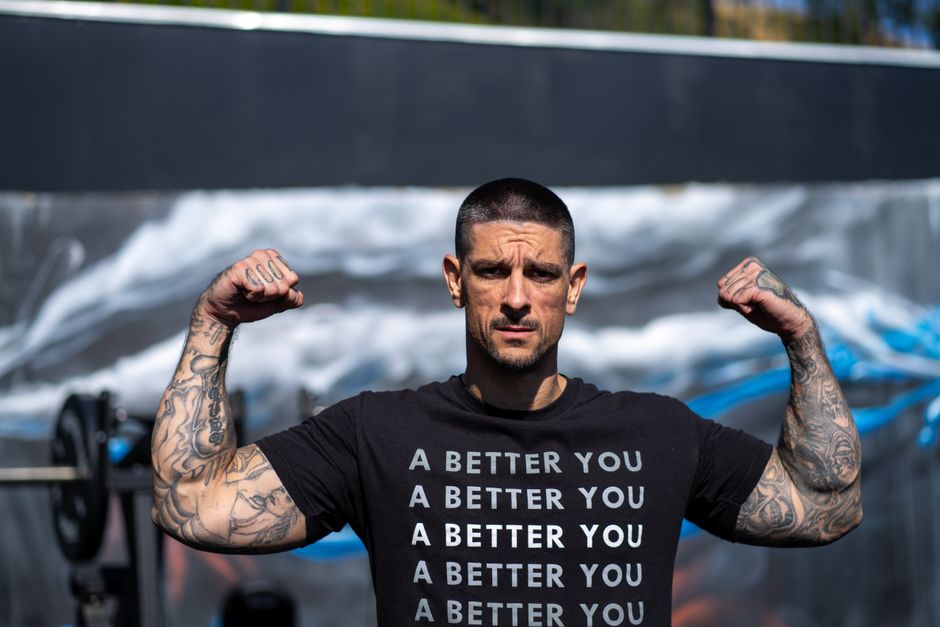
If your arms are not getting bigger despite regular training, the cause is usually one of a few specific problems: you are not training with enough intensity, you are not eating enough to support muscle growth, or you are not allowing enough recovery time. Another common issue is that your training program lacks progressive overload — the gradual increase in weight or reps that forces muscle to adapt and grow. Fixing these core issues matters more than changing exercises or adding more workouts.
Why Am I Not Building Muscle In My Arms?
Muscle growth, called hypertrophy, happens when muscle fibers are placed under enough tension to cause microscopic damage. Your body then repairs that damage, and the muscle grows back slightly larger and stronger. This process only happens when three conditions are met: sufficient mechanical tension, adequate nutrition, and enough recovery time.
Most people who plateau in arm growth are missing one of these three elements. The most common mistake is doing the same workouts week after week. When your muscles adapt to a weight, they stop growing. You must consistently increase the demand on the muscle to see continued progress.
Are You Training Your Arms With Enough Intensity?
Intensity means how close you are to muscular failure on a set. Research consistently shows that sets taken close to failure produce more muscle growth than easy sets. If you finish a set of bicep curls and feel you could have done five more reps, that set likely contributed very little to muscle growth.
A practical approach is to choose a weight that causes you to reach failure between 8 and 15 repetitions for most arm exercises. The last two or three reps of each set should be genuinely challenging. This applies to all arm muscles: the biceps on the front of the upper arm, the triceps on the back, and the forearms.
Many lifters also neglect their triceps. The triceps make up roughly two-thirds of your upper arm mass. If your arms look small, underdeveloped triceps are often the reason. Pushdowns, overhead extensions, and close-grip presses should be part of a balanced arm program.
Is Your Training Volume Too Low or Too High?
Volume means the total amount of work you do, usually measured in sets per muscle group per week. Some research suggests that for most people, doing 10 to 20 working sets per muscle group weekly produces good growth. Fewer than that may not provide enough stimulus. More than that can interfere with recovery.
For arm training specifically, many lifters make the mistake of training arms only on one day per week. Direct arm training two to three times per week often works better for growth. This does not mean doing a full arm workout every day. It means spreading your arm volume across the week so each session provides a fresh stimulus.
Pay attention to how your arms feel between sessions. If they are still sore from your last workout, you may be training them too frequently or with too much volume. Soreness that lasts more than a few days is a sign your recovery is inadequate.




Are You Eating Enough Protein and Calories?
Muscle cannot be built from nothing. Your body needs a surplus of energy and adequate protein to repair muscle tissue. If you are eating at maintenance calories or in a calorie deficit, muscle growth will be slow or nonexistent. This is true regardless of how hard you train.
Protein is the building block of muscle tissue. Current sports nutrition guidelines generally recommend that people trying to build muscle consume about 1.6 to 2.2 grams of protein per kilogram of body weight per day. For a person weighing 80 kilograms, or about 176 pounds, that means roughly 128 to 176 grams of protein daily.
Spread your protein intake across the day. Eating 20 to 40 grams of protein per meal, four times per day, is a practical pattern that most people can follow. Whole food sources such as chicken, fish, eggs, dairy, and legumes work well. Protein supplements can help but are not required.
If you are not gaining any weight on the scale while training consistently, you are likely not eating enough. A modest calorie surplus of a few hundred calories per day above maintenance supports muscle growth with minimal fat gain.
Is Your Recovery Actually Sufficient?
Muscle grows during recovery, not during training. The workout itself breaks muscle down. The rebuilding process happens in the hours and days afterward, while you rest and sleep. If you do not allow this process to complete, you will not grow.
Sleep is a critical and often overlooked factor. Most adults need between 7 and 9 hours of sleep per night for optimal recovery. Growth hormone, which supports muscle repair, is released primarily during deep sleep. Chronic sleep deprivation directly impairs muscle recovery and can reduce your training performance.
Training the same muscle group too frequently is another recovery mistake. A muscle group generally needs 48 to 72 hours to recover after a hard workout. Training arms every day, a common mistake among beginners, does not speed up growth. It simply prevents full recovery.
Are You Using Progressive Overload?
Progressive overload is the principle that muscles must be exposed to increasing demands over time to keep growing. If you have been curling the same 20-pound dumbbells for six months, your arms have no reason to grow. They have already adapted to that weight.
Progressive overload can be achieved in several ways. The most straightforward method is adding weight to the bar or dumbbell over time. Adding one rep to your sets also counts. Adding an extra set to an exercise counts as well. Even reducing rest time between sets can provide a progressive stimulus.
Track your workouts in writing or on your phone. If you cannot remember what you lifted last week, you cannot know whether you are progressing this week. A simple log that records the exercise, weight, and reps for each set is enough.
One clarification matters here. Progressive overload does not mean adding weight every single session. Progress is rarely linear. Some weeks you will add weight, other weeks you will add reps, and some weeks you may feel weaker. What matters is the trend across several weeks and months.
Could Your Exercise Selection Be the Problem?
Compound movements like pull-ups, rows, and presses involve the arms heavily. These exercises allow you to lift heavier weights, which places significant tension on the arm muscles. They should be part of your program.
Isolation exercises like curls and extensions allow you to target the arms more directly. A balanced arm program includes both. Relying only on compound movements often leaves the arms underdeveloped because the arms assist larger muscles rather than working as the primary movers.
Exercise order also matters. Train your arms when they are fresh, not after a long back or chest workout that has already fatigued them. If your biceps are exhausted from pull-ups, your subsequent curl sets will be weak and less effective.
Are You Expecting Results Too Quickly?
Muscle growth is a slow process. Realistic expectations matter because they prevent you from abandoning a sound program prematurely. Beginners may notice changes within a few months. More experienced lifters may see measurable changes only over several months or longer.
Visible changes in arm size are especially slow because the arm is a relatively small muscle group. A gain of a few pounds of muscle across your entire body might translate to only a fraction of an inch on your arms. This is normal physiology, not a sign of failure.
Take progress photos and measurements monthly rather than checking daily. The scale and the mirror are unreliable on a day-to-day basis. Monthly tracking provides a more honest picture of whether your program is working.
When Should You See a Doctor?
If you have trained consistently for months, eaten adequately, slept well, and still see no progress at all, a medical evaluation may be reasonable. Certain hormonal conditions can impair muscle growth. Low testosterone in men and thyroid disorders in both sexes are examples.
These conditions are relatively uncommon, but they exist. A simple blood test can check your hormone levels. If you have other symptoms such as fatigue, low libido, or unexplained weight changes, mention them to your doctor.
No clinical guidelines currently define when a lack of muscle growth warrants medical testing. In practice, most doctors consider evaluation after six to twelve months of consistent training with no measurable progress.
Frequently Asked Questions
How long does it take to build noticeable arm muscle?
Most beginners see measurable changes in arm size within 8 to 12 weeks of consistent training. More experienced lifters may need several months to notice visible differences.
Can I build arm muscle without gaining weight?
Building muscle while maintaining weight is difficult because muscle growth requires a calorie surplus. Some beginners can build muscle while losing fat, but this is harder for experienced lifters.
How many times per week should I train my arms?
Training arms directly two to three times per week works well for most people. This allows adequate recovery between sessions while providing enough stimulus for growth.
Is it better to use heavy weights or high reps for arm growth?
Both heavy weights and higher reps can build muscle when sets are taken close to failure. A moderate rep range of 8 to 15 reps per set is a practical choice for most lifters.
