
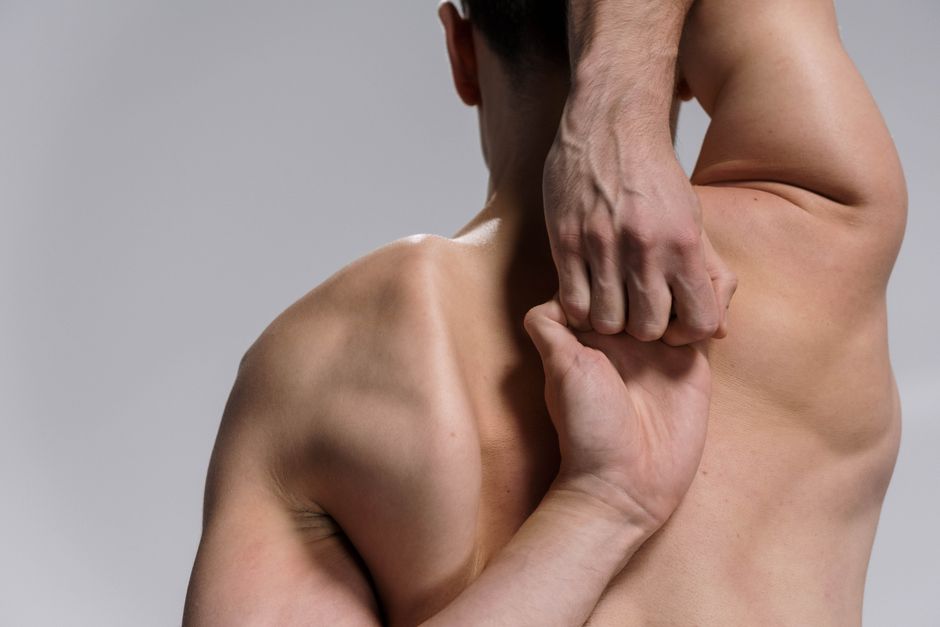
A pulled back muscle is one of the most common reasons people miss work or struggle through daily activities. The immediate answer is simple: stop the activity that caused the pain, apply ice to the area for the first 48 hours, and take over-the-counter pain relievers like ibuprofen or acetaminophen if you can take them safely. Most acute back strains improve significantly within one to two weeks with conservative care, and staying gently active is usually better than strict bed rest. Severe pain, numbness in your legs, or loss of bladder control require immediate medical attention.
What Is a Pulled Back Muscle Exactly?
A pulled back muscle is a strain. It happens when muscle fibers or the tendons attaching them to bone stretch too far or tear partially. In the lower back, this most often involves the erector spinae muscles that run along your spine or the quadratus lumborum, a deep muscle on each side of the lower spine.
The injury is classified by severity. A mild strain involves microscopic tears. A moderate strain involves a partial tear of the muscle or tendon. A severe strain is a complete tear, which is much less common and may require surgical evaluation.
This is different from a herniated disc, which involves the rubbery cushions between your spinal bones. A strain is a soft tissue injury. A disc problem involves nerve compression. The symptoms can overlap, but the treatment approaches differ in important ways.
What To Do For A Pulled Back Muscle in the First 48 Hours
The first two days after injury determine how quickly you recover. The goal is to reduce inflammation and protect the area without completely immobilizing it.
Apply ice for 15 to 20 minutes every two to three hours during the first 48 hours. Ice constricts blood vessels, which limits swelling and numbs the area for pain relief. Do not apply ice directly to skin. Wrap it in a thin towel first.
Take over-the-counter anti-inflammatories if they are safe for you. Ibuprofen (Advil, Motrin) and naproxen (Aleve) reduce both pain and inflammation. Acetaminophen (Tylenol) reduces pain but does not reduce inflammation. Follow the dosing instructions on the package and check with a pharmacist if you have kidney issues, stomach problems, or take blood thinners.
Avoid heat for the first 48 hours. Heat increases blood flow, which can worsen inflammation and swelling in the acute phase. After two days, heat can help relax tight muscles and promote healing blood flow.
When To Start Moving Again
Complete bed rest was once the standard advice for back injuries. Research consistently shows this is wrong. Extended bed rest weakens muscles and slows recovery. It also increases the risk of developing chronic back pain.
After the first day or two, begin gentle movement. Walk short distances around your home. Stand up straight and let your spine settle into its natural position. Sitting or lying in a curled position for long periods keeps the muscles shortened and can prolong stiffness.
Listen to your body’s signals. Some discomfort during movement is expected. Sharp, stabbing pain is a sign to stop and ease off. The distinction matters. Mild soreness during activity is acceptable. Pain that worsens significantly during an activity means that activity is too much for now.
Sleeping position matters during recovery. Sleeping on your side with a pillow between your knees keeps your spine in a neutral position. If you sleep on your back, place a pillow under your knees to reduce the curve in your lower back.





When To Apply Heat Instead of Ice
After the first 48 hours, the inflammatory phase begins to settle. This is when heat becomes useful. Heat relaxes tight muscles, increases blood flow, and can ease the stiffness that often follows the initial injury.
Use a heating pad on a low or medium setting for 15 to 20 minutes at a time. Never sleep with a heating pad on. Always place a cloth between the heating pad and your skin to prevent burns.
Some people alternate heat and ice after the acute phase. Heat relaxes muscles, then ice reduces any resulting inflammation. This approach works for some people, though clinical evidence for alternating therapy is limited. Use whichever combination provides the most relief for you.
Exercises That Help a Pulled Back Muscle
Gentle stretching and movement can speed recovery, but not all exercises are appropriate in the first days. Start with these low-intensity movements once acute pain begins to subside.
- Knee-to-chest stretch: Lie on your back with knees bent. Bring one knee toward your chest, hold for 15 to 30 seconds, then lower. Repeat on the other side.
- Pelvic tilts: Lie on your back with knees bent and feet flat. Gently flatten your lower back against the floor by tightening your abdominal muscles. Hold for 5 seconds and release.
- Partial crunches: Lie on your back with knees bent. Cross your arms over your chest and lift your shoulders a few inches off the floor. Keep your neck relaxed.
- Cat-cow stretch: Start on your hands and knees. Arch your back upward like a cat, then let it dip downward. Move slowly with your breath.
- Short walks: Walking is often the most beneficial activity. Start with 5 to 10 minutes and gradually increase as tolerated.
Stop any exercise that causes sharp pain. Mild discomfort during stretching is normal. Pain that radiates down your leg, numbness, or tingling are warning signs. These symptoms suggest nerve involvement and warrant a medical evaluation.
Red Flags: When a Pulled Back Muscle Needs a Doctor
Most back strains resolve on their own. Some symptoms indicate a more serious problem that requires prompt medical attention.
Seek immediate care if you experience loss of bladder or bowel control, numbness in the groin or inner thigh area, or weakness in one or both legs. These can indicate cauda equina syndrome, a rare but serious condition that requires emergency surgery to prevent permanent damage.
See a doctor within a day or two if you have pain that radiates below the knee, numbness or tingling in your leg or foot, or pain that does not improve after a week of home care. Fever with back pain can indicate an infection and requires urgent evaluation.
Unexplained weight loss, pain that is worse at night, or a history of cancer are additional reasons to seek medical evaluation sooner rather than later.
How Long Does a Pulled Back Muscle Take To Heal
Most acute back strains improve significantly within one to two weeks. Complete healing of the muscle tissue can take four to six weeks. The timeline depends on the severity of the strain and how consistently you follow conservative treatment.
During the first few days, you will likely notice the most dramatic improvement. Pain typically shifts from sharp and constant to dull and activity-related. Stiffness often persists longer than pain.
Return to normal activities gradually. Avoid heavy lifting, twisting movements, and prolonged sitting during the first week. When you do return to exercise, start at about half your normal intensity and build up slowly.
If pain has not improved after two weeks of home treatment, a medical evaluation is appropriate. Persistent pain beyond six weeks is considered chronic and may require physical therapy or further diagnostic workup.
Preventing Future Back Strains
Having one back strain increases your risk of having another. Strengthening your core muscles is the most effective prevention strategy. Your core includes not just your abdominal muscles but also your lower back, hips, and pelvic floor muscles.
Incorporate regular strength training into your routine at least twice per week. Focus on exercises that work the entire posterior chain: deadlifts with light weight, bridges, bird dogs, and planks. Proper form matters more than the amount of weight.
Practice good lifting mechanics every time you lift something, not just when lifting heavy objects. Bend at your hips and knees, keep the object close to your body, and avoid twisting while lifting. This applies to picking up a laundry basket as much as lifting a barbell.
Maintain a healthy weight. Excess weight, particularly around the abdomen, shifts your center of gravity forward and increases strain on your lower back. Smoking also impairs blood flow to spinal tissues and is associated with higher rates of back pain.
What Does Not Work for a Pulled Back Muscle
Some popular treatments lack evidence supporting their use for acute back strain. Knowing what does not work can save you time and money.
Spinal manipulation by chiropractors or osteopaths may provide short-term relief for some people, but evidence for its effectiveness in acute muscle strains is mixed. It is not harmful for most people, but it is not clearly better than conservative home care.
Muscle relaxants are sometimes prescribed for back spasms, but they cause drowsiness and have limited evidence for improving outcomes beyond pain relievers alone. They should be used only briefly, if at all, and only under a doctor’s supervision.
Back braces and supports may provide temporary comfort but can weaken core muscles if used for extended periods. They are best used for a few days at most during the acute phase.
Injections such as corticosteroids are not appropriate for a simple muscle strain. They are reserved for nerve-related pain from disc problems or spinal stenosis.
Frequently Asked Questions
Should I stretch a pulled back muscle immediately?
No. Gentle movement is helpful, but aggressive stretching during the first 48 hours can worsen the injury. Start light stretching only after acute pain begins to subside.
Is bed rest good for a pulled back muscle?
No. Research shows that staying in bed for more than a day or two slows recovery and increases the risk of chronic pain. Short walks and gentle movement are better.
Can I work with a pulled back muscle?
It depends on your job. Desk work is usually possible with frequent breaks to stand and walk. Jobs involving heavy lifting or prolonged standing may require modified duty or time off.
When should I see a doctor for a pulled back muscle?
See a doctor if pain lasts more than two weeks, radiates below the knee, or comes with numbness, weakness, fever, or loss of bladder or bowel control.
