

Yes, stress can cause dizziness, and it is one of the most common physical symptoms of anxiety and chronic stress. The connection is real and rooted in your nervous system, not in your imagination. When stress activates your body’s alarm system, it changes blood flow, breathing, and muscle tension in ways that can make you feel lightheaded, unsteady, or faint. Understanding why this happens is the first step to managing it.
What Does Stress Dizziness Actually Feel Like?
Stress-related dizziness does not feel the same for everyone. Some people describe a lightheaded sensation, like they might faint. Others feel a floating or swaying feeling, as if the ground is moving beneath them. Some report a heavy head or a feeling of pressure inside the skull.
These sensations often come on during moments of high anxiety, but they can also appear hours later, after the stressful event has passed. The dizziness may last seconds or linger for hours. It can come and go throughout the day, which makes it especially unsettling.
Importantly, stress dizziness rarely causes actual fainting. The sensation feels severe, but the body usually maintains enough blood flow to the brain to keep you conscious. Knowing this can reduce the fear that often makes the dizziness worse.
How Stress Triggers Dizziness in the Body
Stress activates the sympathetic nervous system, commonly called the fight-or-flight response. This is an ancient survival mechanism designed to help you escape danger. When it engages, your body releases hormones like adrenaline and cortisol.
These hormones cause several physical changes. Your heart rate increases. Your blood vessels constrict. Your breathing becomes faster and shallower. Your muscles tense, especially in the neck and shoulders. Each of these changes can contribute to dizziness.
The most direct link involves breathing. Rapid, shallow breathing causes you to exhale too much carbon dioxide. This changes the pH balance of your blood, which can constrict blood vessels in the brain and produce lightheadedness, tingling in the hands, and a sense of unreality. This is called hyperventilation syndrome, and it is a common cause of stress-related dizziness.
Blood pressure changes also matter. During stress, blood pressure typically rises. But in some people, especially after prolonged stress, blood pressure can drop suddenly when they stand up. This is called orthostatic hypotension, and it can cause a brief dizzy spell.
Muscle tension plays a role too. When you hold tension in your neck and jaw for hours, it can affect the muscles and nerves connected to your inner ear and balance system. This creates a feeling of unsteadiness that is not true vertigo but feels similar.
Is It Stress or Something Else?
Dizziness has many causes, and stress is only one of them. Before assuming stress is the culprit, it is important to consider other possibilities. Inner ear disorders, such as benign paroxysmal positional vertigo (BPPV), can cause intense spinning sensations. Migraines, including vestibular migraines, can cause dizziness without a headache. Low blood sugar, dehydration, and anemia can also produce lightheadedness.
Certain medications list dizziness as a side effect. Blood pressure medications, antidepressants, and sedatives are common examples. If your dizziness started after a new prescription, discuss this with your doctor.
Some studies indicate that stress can make existing balance disorders worse. If you already have a condition like BPPV or Meniere’s disease, stress may increase the frequency or intensity of your symptoms. In this case, stress is not the root cause, but it is a significant trigger.
Because dizziness can signal a more serious condition, you should see a doctor if it is new, severe, or accompanied by other symptoms. Seek immediate medical care if dizziness comes with chest pain, shortness of breath, weakness on one side of the body, difficulty speaking, or a severe headache.




Does Stress Dizziness Go Away on Its Own?
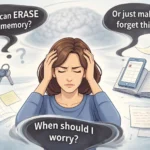
Yes, stress dizziness typically resolves when the stress response settles down. The problem is that worrying about the dizziness can keep the stress response active, creating a cycle. You feel dizzy, you worry about feeling dizzy, and the worry keeps you dizzy.
Breaking this cycle requires addressing both the physical sensation and the emotional response to it. Simply knowing that stress dizziness is not dangerous can reduce the fear that perpetuates it. Many people find that the dizziness becomes less intense once they stop fearing it.
For some people, stress dizziness becomes chronic. This happens when the nervous system gets stuck in a heightened state of alert. Even after the original stressor is gone, the body remains on edge. This is not a sign of weakness or a psychological flaw. It is a physiological pattern that can be changed with practice and, in some cases, professional help.
What Actually Helps With Stress Dizziness
Several strategies can reduce stress-related dizziness. These are not quick fixes, but they are effective when practiced consistently.
Slow breathing is the most immediate tool. When you notice dizziness starting, focus on breathing out slowly. Aim to make your exhale longer than your inhale. For example, breathe in for four counts and out for six counts. This helps normalize carbon dioxide levels and signals your nervous system to calm down.
Grounding techniques can help shift focus away from the dizzy sensation. Look around the room and name five things you can see, four things you can touch, three things you can hear, two things you can smell, and one thing you can taste. This engages your senses and pulls your attention outward rather than inward.
Regular physical activity helps regulate the stress response over time. Walking, swimming, cycling, or yoga all work. Exercise burns off excess stress hormones and trains your body to handle physical sensations without alarm. Start slowly if dizziness limits your activity.
Sleep and hydration matter more than most people realize. Dehydration reduces blood volume, which can worsen lightheadedness. Poor sleep heightens the stress response and makes you more sensitive to physical sensations. Aim for consistent sleep and adequate water intake throughout the day.
Caffeine and alcohol can make dizziness worse. Caffeine stimulates the nervous system and can increase anxiety. Alcohol affects balance and can dehydrate you. If you notice your dizziness flares after coffee or alcohol, consider reducing your intake to see if it helps.
Vestibular rehabilitation therapy is an option for people whose dizziness persists. This is a specialized form of physical therapy that retrains your brain to interpret balance signals correctly. Some clinicians recommend it for stress-related dizziness, especially when the balance system has become overly sensitive. The evidence for this approach is growing, though it is not a standard first-line treatment for everyone.
When to Seek Professional Help
You should see a doctor if dizziness persists for more than a few weeks, interferes with daily activities, or happens with falls or near-falls. A medical evaluation can rule out inner ear problems, heart conditions, and neurological issues.
If your doctor finds no medical cause, they may refer you to a mental health professional. Cognitive behavioral therapy (CBT) has strong evidence for reducing anxiety-related physical symptoms, including dizziness. CBT helps you identify the thoughts and behaviors that keep the stress cycle going and replace them with more helpful patterns.
Some clinicians prescribe medication for severe anxiety-related dizziness. Selective serotonin reuptake inhibitors (SSRIs) are sometimes used when dizziness is part of an anxiety disorder. This is a decision to make with your doctor, weighing potential benefits against side effects.
No clinical guidelines currently exist specifically for treating stress dizziness as a standalone condition. Treatment is typically based on addressing the underlying stress or anxiety, which has strong evidence for improving physical symptoms.
Can You Prevent Stress Dizziness?
Prevention is about managing your stress load before it builds to the point of physical symptoms. This looks different for everyone, but some approaches have consistent support.
Daily relaxation practice is one of the most effective preventive tools. This does not mean sitting still for an hour. It means taking short breaks throughout the day to breathe slowly, stretch, or simply pause. Even five minutes of deliberate relaxation can lower your stress baseline.
Setting boundaries around work and personal obligations reduces chronic stress. This is not about avoiding responsibility. It is about recognizing your limits and communicating them clearly. Overcommitment is a common driver of sustained stress.
Regular movement throughout the day prevents the muscle tension and shallow breathing patterns that contribute to dizziness. If you sit at a desk, stand up and walk briefly every hour. Roll your shoulders and neck to release tension.
It is also helpful to notice your early warning signs. Does your jaw clench before you feel dizzy? Do you hold your breath when concentrating? Learning your personal stress patterns allows you to intervene earlier, before the dizziness starts.
Frequently Asked Questions
Can stress cause dizziness every day?
Yes, chronic stress can cause daily dizziness if your nervous system remains in a heightened state of alert. The dizziness may come and go, but it can recur daily until the underlying stress is addressed.
How long does stress dizziness last?
Episodes can last from a few seconds to several hours, depending on the person and the stress level. Once the stress response settles, the dizziness usually fades, though it may take time for your system to fully calm down.
Can anxiety cause dizziness even when you are sitting down?
Yes, anxiety can cause dizziness while sitting or lying down because the trigger is your nervous system, not your body position. Hyperventilation and muscle tension can produce dizziness regardless of posture.
What is the fastest way to stop stress dizziness?
Slow breathing with a longer exhale than inhale is the fastest way to calm the stress response and reduce dizziness. Grounding techniques that engage your senses can also help shift your focus away from the sensation.
