
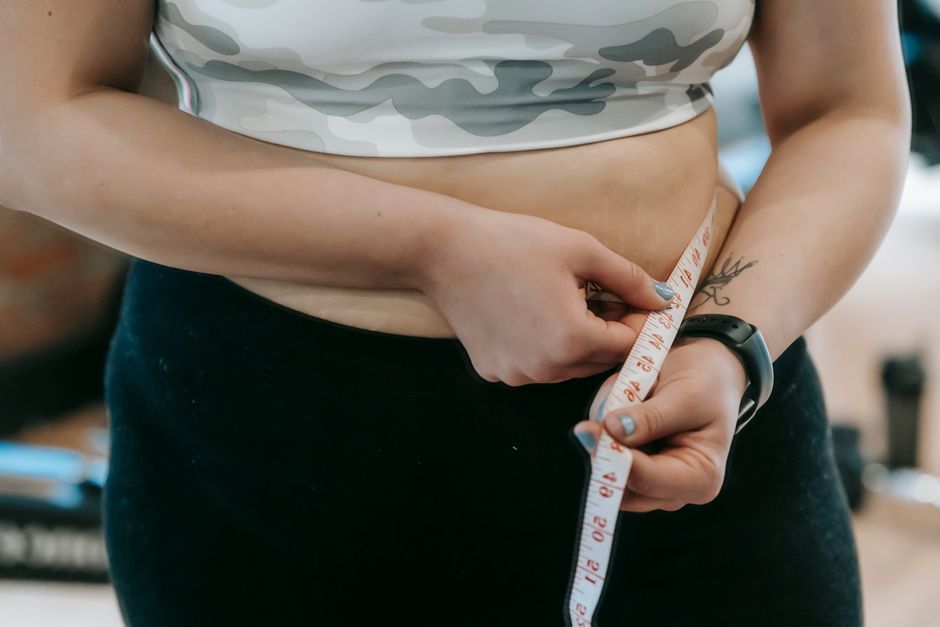
The Stairmaster is a popular piece of gym equipment, but many people wonder if climbing an endless set of stairs will actually target the fat around their midsection. The short answer is no—no exercise machine can specifically burn belly fat. However, the Stairmaster can be a highly effective tool for overall fat loss, which is the only real way to reduce belly fat over time.
Why You Cannot Spot Reduce Belly Fat
The idea of “spot reduction” is one of the most persistent myths in fitness. The theory suggests that working a specific muscle group will burn the fat directly above it. If this were true, doing crunches would shrink your waistline, and using the Stairmaster would trim your legs.
Research consistently shows this is not how the body works. When you exercise, your body breaks down fat stores from across your entire system to use as fuel. The fat cells you lose come from all over, not just the area you are working. Genetics largely determines the order in which you lose fat, and for many people, the belly is one of the last places to slim down.
Your body stores fat in a specific pattern based on hormones, age, and genetics. You cannot override that pattern with a specific exercise. The Stairmaster will strengthen your legs and glutes, but it will not selectively pull fat from your abdomen.
How the Stairmaster Contributes to Fat Loss
While the Stairmaster cannot target belly fat directly, it can help you create the calorie deficit required to lose fat everywhere. Weight loss happens when you burn more calories than you consume. The Stairmaster is an effective way to increase the “burned” side of that equation.
Stair climbing is a vigorous form of cardiovascular exercise. It requires you to lift your entire body weight against gravity repeatedly. This makes it more demanding than walking on a flat surface and comparable to running in terms of energy expenditure.
For a person of average weight, a moderate session on the Stairmaster can burn a significant number of calories. Because it is a weight-bearing exercise, it also builds muscle in the lower body. Muscle tissue is metabolically active, meaning it burns more calories at rest than fat tissue. Over time, increasing your muscle mass can slightly raise your resting metabolic rate, making it easier to maintain a healthy weight.
What the Science Says About Exercise and Belly Fat
Some studies indicate that high-intensity interval training (HIIT) may be more effective at reducing visceral fat than steady-state cardio. Visceral fat is the dangerous fat stored deep inside the abdomen around your organs. It is different from the subcutaneous fat you can pinch just under the skin.
The Stairmaster can be used for both steady-state cardio and interval training. You can climb at a steady pace for 30 minutes, or you can alternate between a fast, intense pace and a slower recovery pace. Both methods burn calories, but the interval approach may offer a slight advantage for reducing visceral fat.
That said, the most important factor remains total calorie balance. A moderate-intensity session on the Stairmaster will burn calories, but if your diet includes more calories than you burn, the exercise alone will not produce visible fat loss. Exercise and diet work together, and neither can fully compensate for the other.





Stairmaster vs. Other Cardio for Fat Loss
The best cardio machine for fat loss is the one you will use consistently. Different machines have different impacts on your body, and your personal preference matters more than minor differences in calorie burn.
The Stairmaster is unique because it is a weight-bearing exercise that heavily recruits the glutes, quadriceps, hamstrings, and calves. This makes it a hybrid between cardio and lower-body strength training. Treadmills and ellipticals also burn calories, but they do not load the lower body in quite the same way.
Rowing machines and stationary bikes offer excellent cardiovascular benefits with less impact on the joints. If you have knee or ankle issues, the Stairmaster may be uncomfortable, and a bike or elliptical could be a better choice. The key is finding an activity you can perform regularly without pain or boredom.
How to Use the Stairmaster Effectively
To use the Stairmaster for fat loss, you need to challenge yourself. Leaning heavily on the handrails reduces the workload on your legs and significantly lowers the number of calories you burn. You should use the rails only for balance, not to support your body weight.
Maintain an upright posture with your core engaged. Take full steps rather than shuffling or taking quick, short steps. This ensures your glutes and hamstrings are doing the work rather than your calves and hip flexors.
If you are new to the machine, start with 10 to 15 minutes at a comfortable pace. As your fitness improves, gradually increase your time or the speed setting. A solid goal is 20 to 30 minutes per session, three to four times per week.
For those who want to maximize fat loss, interval training is an option. After a five-minute warm-up, alternate between one minute at a challenging pace and two minutes at an easy pace. Repeat this cycle for 15 to 20 minutes. This approach can burn more calories in less time and may offer additional metabolic benefits.
Why Diet Matters More Than Cardio
No amount of stair climbing will outwork a poor diet. Fat loss requires a sustained calorie deficit, and it is much easier to consume calories than to burn them. A single large fast-food meal can contain more calories than an hour of intense exercise burns.
To lose belly fat, focus on whole, minimally processed foods. Prioritize lean proteins, vegetables, fruits, and whole grains. Protein is particularly important because it helps preserve muscle mass during weight loss and increases feelings of fullness.
Be mindful of liquid calories. Sugary drinks, alcohol, and specialty coffee beverages can add hundreds of calories without making you feel full. Reducing or eliminating these is often the single most effective dietary change for fat loss.
Sleep is another factor that is often overlooked. Poor sleep is linked to increased hunger hormones and decreased satiety hormones. Studies have found that people who sleep less tend to have more visceral fat. Aim for seven to nine hours of quality sleep per night to support your weight loss efforts.
Realistic Expectations for Belly Fat Loss
Visible changes in your midsection take time. Many people lose fat from their face, arms, and legs before they see a difference in their belly. This is normal, not a sign that your workout is failing.
You cannot predict when or where you will lose fat. A person who is consistent with their Stairmaster sessions and maintains a healthy diet will lose fat, but the timeline for visible abdominal changes varies widely. Some people see results in a few weeks; others need several months.
It is also worth noting that a toned midsection requires more than low body fat. The abdominal muscles, like any other muscle, need to be strengthened to appear defined. The Stairmaster does not directly work your abs, so adding core exercises like planks, dead bugs, or hanging leg raises can help build the muscle underneath the fat.
Ultimately, the Stairmaster is a tool, not a miracle machine. It burns calories, builds lower-body strength, and improves cardiovascular fitness. Combined with a healthy diet and consistent effort, it can help you achieve the calorie deficit needed to lose belly fat, but it cannot target that fat specifically.
Frequently Asked Questions
How long should I use the Stairmaster to lose belly fat?
There is no specific duration that guarantees belly fat loss. Aim for 20 to 30 minutes per session, three to four times per week, combined with a calorie-controlled diet.
Is the Stairmaster better than running for fat loss?
Both burn significant calories, and the best choice is the one you enjoy and can do consistently. The Stairmaster is lower impact than running and builds more lower-body muscle.
Can I lose belly fat by only using the Stairmaster?
You can lose body fat overall with consistent exercise, but belly fat specifically requires a total calorie deficit. Diet is the most important factor for losing fat around your midsection.
Why is my belly fat not going away even though I exercise?
You may not be in a calorie deficit, or your body may simply lose fat from other areas first. Genetics determines fat loss order, and the belly is often the last area to slim down.
