
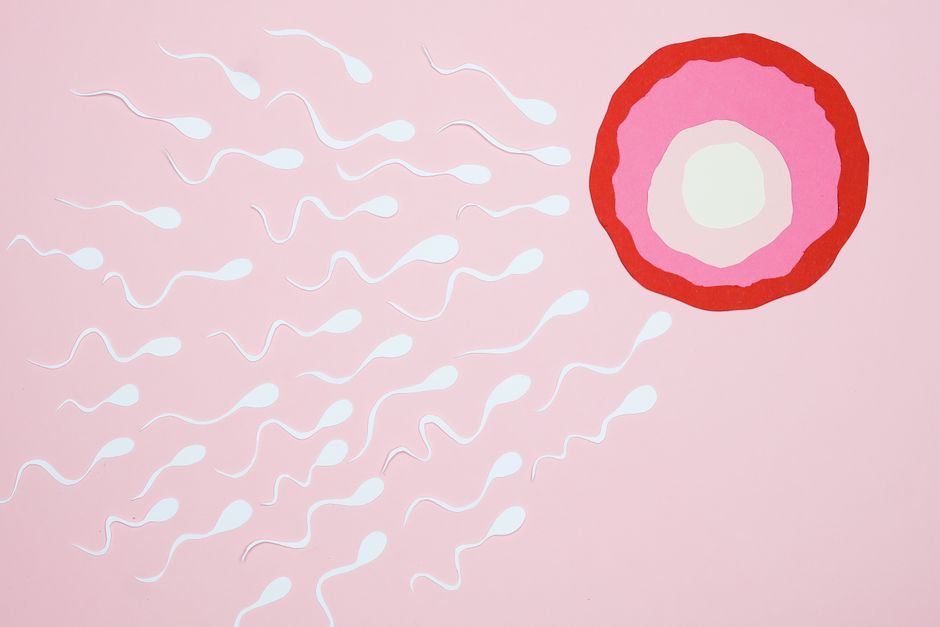
Semen is not sterile. For decades, medical textbooks described semen as a clean fluid until it passed through the urethra, where it picked up bacteria on the way out. That picture is outdated. Research now shows that semen from healthy men contains its own community of bacteria, often called the semen microbiome. The presence of bacteria in sperm and semen is normal. The real question is which bacteria are there and whether they cause problems.
Does Sperm Have Bacteria The Semen Microbiome Explained
Yes, sperm and semen contain bacteria. This is a normal finding, not a sign of infection by itself. The bacteria in semen come from several places, including the prostate, the seminal vesicles, and the urethra. Studies using DNA sequencing have found dozens of different bacterial types in the semen of healthy men with no symptoms. The mix of bacteria is different from person to person, much like the bacteria in the gut or on the skin.
Calling this a microbiome is accurate. A microbiome is simply the collection of microorganisms living in a specific part of the body. The semen microbiome is the bacterial community found in seminal fluid. It is a newer area of research, and scientists are still working out what a normal or healthy semen microbiome looks like.
What Bacteria Are Normally Found in Semen?
Healthy semen commonly contains bacteria from a few main groups. Lactobacillus species are often present and are generally considered beneficial. These bacteria produce lactic acid, which can create an environment that limits the growth of harmful organisms. Other common groups include Corynebacterium, Streptococcus, and Staphylococcus. These are also found on the skin and in the urinary tract and are usually harmless in low numbers.
The presence of these bacteria does not mean a man has an infection. Infection requires symptoms, such as pain, burning during urination, or abnormal discharge, along with laboratory evidence of high bacterial counts or specific disease-causing organisms. Bacteria in semen without symptoms is a different situation entirely.
Some research has looked at whether the semen microbiome differs between men with normal fertility and men with low sperm counts or poor sperm movement. Some studies suggest that higher levels of Lactobacillus are linked to better sperm quality. Other studies have found that certain bacteria, such as Gardnerella or Ureaplasma, are more common in men with fertility problems. The evidence is not strong enough to say that these bacteria cause infertility. It is an association, not a proven cause-and-effect relationship.
Can Bacteria in Semen Affect Sperm Health?
Bacteria can affect sperm in the lab. When bacteria grow in a semen sample, they compete with sperm for nutrients. Some bacteria also attach to sperm cells directly, which can interfere with how sperm move. Bacterial toxins can damage the sperm membrane. These effects are real and have been demonstrated in laboratory studies.
Whether these effects matter inside the body is less clear. The immune system and the prostate produce fluids that help control bacterial growth. A man with a healthy immune system and no underlying prostate issues may carry bacteria in his semen without any measurable impact on fertility. The evidence does not support the idea that every man with bacteria in his semen needs treatment.
Semen analysis is not a sterile procedure in most clinics. Bacteria from the skin can contaminate a sample during collection. A lab finding of bacteria on a routine semen culture does not automatically mean the bacteria came from the reproductive tract. This is why doctors do not treat every positive culture. They treat based on symptoms, bacterial counts, and the specific type of bacteria found.




What Is the Difference Between Bacteria and Infection?
The distinction between colonization and infection matters. Colonization means bacteria are present but not causing harm. Infection means bacteria are multiplying and triggering an immune response or tissue damage. A man can be colonized with bacteria in his semen for years and never know it.
Symptomatic infections of the male reproductive tract do occur. Prostatitis, or inflammation of the prostate, can be caused by bacteria. Epididymitis, inflammation of the tube that stores sperm, is also often bacterial. These conditions cause pain, fever, urinary symptoms, and sometimes blood in the semen. They require medical evaluation and often antibiotic treatment.
Sexually transmitted infections are a separate category. Chlamydia and gonorrhea can infect the male reproductive tract and are linked to reduced fertility. These infections are often silent, meaning a man may have no symptoms. Routine screening for sexually active men is recommended in many clinical settings, especially if there is a history of infertility or a new sexual partner.
Can a Woman Get Bacteria From Semen During Sex?
Yes. Bacteria in semen can be transferred to a female partner during intercourse. This is normal biology. The vagina has its own microbiome and immune defenses that usually manage exposure to new bacteria without issue. The vaginal environment is acidic, which limits the growth of many bacterial types.
The bigger concern is sexually transmitted bacteria, not the routine semen microbiome. Chlamydia, gonorrhea, and Trichomonas are transmitted through sex and can cause pelvic inflammatory disease in women, which is a leading cause of tubal factor infertility. These organisms are not part of the normal semen microbiome. They are pathogens that require specific testing and treatment.
Some research has explored whether the semen microbiome influences the vaginal microbiome after sex. The evidence is preliminary. It appears that repeated exposure to a partner’s semen can shift the vaginal bacterial community in some women, but the clinical significance of this shift is not established. No current guidelines recommend any action based on this research.
Does Washing Sperm Remove Bacteria?
Sperm washing is a laboratory technique used during assisted reproduction, such as intrauterine insemination (IUI) or in vitro fertilization (IVF). The procedure separates sperm from seminal fluid. This process does reduce the number of bacteria in the final sperm preparation. It does not eliminate all bacteria, but it lowers the bacterial load significantly.
This matters for fertility treatment because a catheter is placed into the uterus during IUI. Introducing a large bacterial load into the uterus could increase the risk of infection. Washing the sperm reduces that risk. IVF laboratories also use washing and other processing steps to prepare sperm for fertilization in a dish.
There is no evidence that washing sperm is necessary for natural conception. The cervix and uterus have natural barriers that prevent bacteria from entering the upper reproductive tract in most cases. Sperm washing is a laboratory procedure, not a home remedy or a supplement.
Should Men Worry About Bacteria in Their Semen?
For most men, no. Bacteria in semen is a normal finding. A man with no symptoms, no history of sexually transmitted infections, and no fertility concerns does not need testing or treatment for the semen microbiome. There is no approved test for the semen microbiome in routine clinical practice. Testing for specific pathogens is done when there is a reason, such as a partner with recurrent infections or an infertility evaluation.
Men who are part of a couple experiencing infertility may have their semen analyzed. Standard semen analysis looks at sperm count, movement, and shape. It does not routinely test for bacteria unless there are signs of infection, such as white blood cells in the semen. White blood cells in semen, a condition called leukocytospermia, can indicate inflammation but does not always mean there is an active infection.
Some clinics offer extended semen testing that includes bacterial DNA analysis. These tests are not standardized, and their clinical value is uncertain. No large clinical trials have confirmed that treating the semen microbiome improves fertility outcomes. Marketing claims that promise to optimize the semen microbiome are not supported by current evidence.
Can Diet or Probiotics Change the Semen Microbiome?
This is an area of active research with no firm answers. Some studies suggest that oral probiotics can change the bacterial composition of the gut, but whether they change the semen microbiome is not established. The prostate and seminal vesicles are not directly connected to the gut. Bacteria would need to travel through the bloodstream or lymphatic system to reach the reproductive tract, which is a theoretical pathway without strong evidence.
Diet may influence overall health, including reproductive health. A diet rich in fruits, vegetables, and whole grains is linked to better sperm quality in observational studies. Whether diet specifically changes the bacterial community in semen is unknown. No specific food, supplement, or probiotic has been proven to alter the semen microbiome in a way that improves fertility.
Frequently Asked Questions
Is it normal to have bacteria in sperm?
Yes, bacteria in semen is normal and is found in healthy men. The presence of bacteria alone does not mean there is an infection.
Can bacteria in semen cause infertility?
Some studies link certain bacteria to lower sperm quality, but the evidence does not prove they cause infertility. Symptomatic infections like chlamydia are a separate and clearer risk.
Does sperm washing remove all bacteria?
Sperm washing reduces the number of bacteria but does not eliminate all of them. It is used in fertility clinics to lower infection risk during procedures.
Should I take antibiotics for bacteria found in my semen?
No. Antibiotics are only appropriate for a diagnosed infection with symptoms or a positive test for a known pathogen. Treating harmless bacteria with antibiotics can cause resistance and side effects.
