
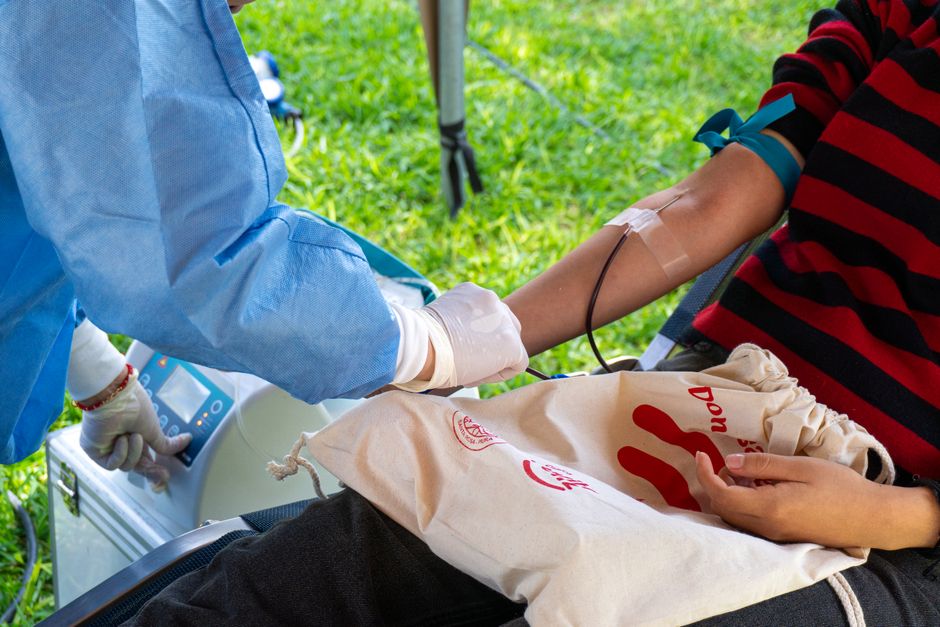
Plasma donation is a common medical procedure, and for most healthy adults, it is not bad for you. Your body is remarkably good at replacing the plasma you give, typically within 24 to 48 hours. However, it is not a zero-risk activity, and the experience depends heavily on your overall health, hydration, and how often you donate. The truth is that while the process is safe for most, it can cause temporary side effects and requires your body to work a little harder than usual to recover.
What Exactly Happens to Your Body When You Donate Plasma?
To understand the impact, you need to know what plasma is. Plasma is the liquid part of your blood. It is about 90% water, but it also carries proteins, salts, enzymes, and antibodies. When you donate, a machine draws your whole blood, spins it to separate the plasma, and then returns the red blood cells and platelets back to you with a saline solution.
This separation process is what makes plasma donation different from a standard whole blood donation. Because you get your red cells back, you are not losing the iron-rich cells that cause fatigue after a regular blood draw. Instead, you are losing water, some proteins, and antibodies. The immediate physical stress on your body is mostly about fluid loss and a temporary drop in protein levels.
What Are the Most Common Side Effects?
The most frequent side effects are mild and short-lived. You might feel lightheaded, dizzy, or slightly fatigued during or right after the donation. This is usually due to the fluid shift happening in your body. Some people also feel a cold sensation in their lips or fingers because the blood is being returned to you at room temperature, which is cooler than your body temperature.
A specific side effect unique to plasma donation is a tingling sensation around the mouth or in the hands. This is caused by the citrate used as an anticoagulant during the process. Citrate binds to calcium in your blood temporarily. For most people, this tingling passes quickly. If you notice it, tell the staff. They can slow the machine down or give you a calcium supplement to ease the feeling.
These reactions are generally not dangerous. They resolve on their own, but they are the main reason donation centers ask you to rest and drink fluids before you leave. Serious complications are rare, but they can occur if you have an underlying health condition you haven’t disclosed.
How Often Is It Safe to Donate Plasma?
Your body can replace the water you lose within a day or two. It takes a bit longer to replace the proteins, particularly immunoglobulins and albumin. Because of this, your body needs time to rebuild its reserves between donations. This is why regulatory agencies and donation centers limit how frequently you can donate.
In the United States, the standard limit allows you to donate plasma twice within a seven-day period. However, you must have at least 48 hours between those two donations. This schedule is based on clinical evidence that the average healthy person can recover from the protein loss within that window. Donating more frequently than this can push your protein levels down to a point where your immune function may be temporarily affected, and you will likely feel run down.
The key factor here is your baseline health. A person who eats a high-protein diet and is well-hydrated will bounce back faster than someone who is undernourished or chronically dehydrated. The two-donations-per-week rule is a maximum, not a target. Many people choose to donate less frequently and feel better for it.





Does Plasma Donation Weaken Your Immune System?
This is a common concern, and the answer is nuanced. Plasma contains antibodies that help fight infections. When you donate, you are removing some of these antibodies from your body. Your bone marrow and immune system are constantly producing new antibodies, so the loss is temporary.
Research consistently shows that for a healthy person donating within the permitted frequency limits, the immune system is not permanently weakened. Your body ramps up production to replace what was lost. However, there is a noticeable difference between a single donation and long-term, frequent donation. Some studies suggest that chronic, high-frequency donors may have lower baseline immunoglobulin levels than new donors. This does not necessarily mean they get sick more often, but it does mean their immune system is working at a slightly elevated pace to keep up.
If you are already fighting off an infection or feeling unwell, you should not donate. Your body needs those resources to heal. Donation centers screen for this. If you feel healthy and are eating a balanced diet with adequate protein, your immune system will handle the temporary loss without issue.
Can You Develop a Bruise or More Serious Injury?
Bruising at the needle site is one of the most common complaints. This happens when blood leaks from the vein into the surrounding tissue. It looks worse than it feels and usually fades within a week. Applying a cold compress right after the donation and a warm compress a day later can help it resolve faster.
A more serious but rare injury is nerve damage or a puncture of an artery instead of a vein. These are technical errors that can cause significant pain, numbness, or prolonged bleeding. These complications are uncommon because phlebotomists are trained to identify the correct vessels. However, if you feel a sharp, shooting pain during the needle insertion that persists, tell the technician immediately. Do not push through the pain thinking it is normal.
There is also a risk of a citrate reaction that is more severe than simple tingling. In rare cases, people experience muscle cramping, chills, or a feeling of panic. The staff monitors you for these signs. If you have a history of kidney disease or liver problems, you may not be able to process the citrate effectively, which is why these conditions are screened out before you are approved to donate.
What Should You Do Before and After Donating?
Preparation is the most effective way to reduce the risk of feeling unwell. The most important step is hydration. Because plasma is mostly water, you need to have enough fluid in your system to spare. Drink plenty of water in the 24 hours leading up to your appointment. Avoid alcohol for at least 24 hours beforehand, as it dehydrates you and can affect your blood pressure.
Eating a meal before you donate is also critical. A meal that includes protein and healthy fats will help stabilize your blood sugar and give your body the raw materials it needs to start replacing the plasma proteins. Avoid fatty foods immediately before the draw, as they can make your plasma appear milky and may cause the machine to flag the donation. The center will likely turn you away if your plasma is too lipemic.
After the donation, the recovery rules are simple. Drink more fluids than you normally would. Eat a protein-rich meal within a few hours. Avoid vigorous exercise and heavy lifting for the rest of the day. Your body needs time to redirect blood flow and rebuild volume. Most people feel completely normal by the next morning.
Who Should Not Donate Plasma?
Plasma donation is not for everyone. People with certain medical conditions are at higher risk of complications. If you have a history of heart disease, severe hypertension, or a bleeding disorder, you should not donate. The fluid shifts and citrate exposure can put stress on your cardiovascular system.
Pregnant women are not eligible to donate plasma. There is no clinical evidence that it is safe for the developing fetus, and the fluid loss poses a risk to maternal blood pressure. If you are breastfeeding, you should also wait until you have fully weaned your child before donating.
People with low protein levels, malnutrition, or a history of fainting during medical procedures should also reconsider. The physical stress of the procedure can trigger a vasovagal response, which causes your heart rate and blood pressure to suddenly drop, leading to fainting. This is not dangerous in a controlled environment, but it is unpleasant and can be dangerous if you drive immediately afterward.
Ultimately, the screening process at the donation center is your first line of defense. Be honest about your medical history. The staff is not judging you; they are protecting you. If you are unsure whether you are a candidate, ask your primary care doctor for their opinion before you schedule your first appointment.
Frequently Asked Questions
Does donating plasma make you gain weight?
No, donating plasma does not cause weight gain. You are losing fluid and some proteins, so you may weigh slightly less immediately after the donation, but this returns to normal within a day or two.
How long does it take for your body to recover from plasma donation?
Most people recover their fluid volume within 24 hours. Protein levels typically return to baseline within 48 hours, which is why there is a required waiting period between donations.
Can you donate plasma if you have high blood pressure?
It depends on the reading. If your blood pressure is well-controlled and below the center’s threshold, you may be eligible. If your blood pressure is severely elevated, you will be deferred because of the added stress on your cardiovascular system.
Is donating plasma safe for your veins long-term?
Frequent donation can cause scar tissue to build up in the vein over time, which is called venous sclerosis. This is why centers alternate arms. Repeated use of the same vein can make future draws more difficult and increase the risk of bruising.
