
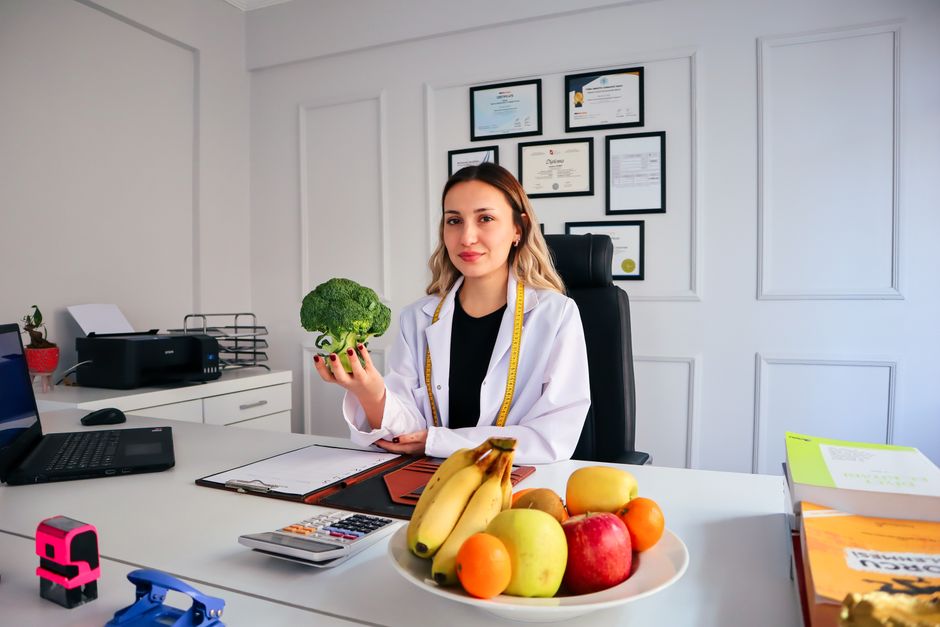
Broccoli contains compounds that can influence how your body processes and clears estrogen, but it does not directly lower estrogen in your bloodstream. The science here is often misunderstood, and marketing has made it worse. What studies actually show is that certain compounds in broccoli, particularly a group called glucosinolates, support your liver’s ability to break down estrogen into safer byproducts. This is a meaningful difference from simply reducing estrogen levels.
Does Broccoli Lower Estrogen What Studies Show
Studies show broccoli does not lower estrogen itself. Instead, it changes how estrogen is metabolized. Your liver breaks estrogen down into different byproducts. Some of these byproducts are linked to a higher risk of certain cancers. Others are considered protective. Broccoli supports the pathway that produces the protective byproducts.
This distinction matters. A woman with normal estrogen levels who eats broccoli will not see her estrogen drop. What she may see is a shift in how that estrogen is processed and eliminated. Researchers call this a change in the estrogen metabolism profile, not a change in estrogen levels.
What Compounds in Broccoli Affect Estrogen?
The active compounds in broccoli are called glucosinolates. When you chew or chop broccoli, an enzyme called myrosinase converts these glucosinolates into other compounds. One of the most studied is indole-3-carbinol, which further converts in your stomach into diindolylmethane, often called DIM.
DIM is the compound most researchers focus on. It influences estrogen metabolism in your liver. Specifically, it supports the pathway that converts estrogen into 2-hydroxyestrone, a byproduct considered protective. It also reduces the pathway that produces 16-hydroxyestrone, a byproduct associated with more aggressive estrogen activity.
This shift is measurable in urine tests. Several clinical trials have measured these urinary estrogen metabolites before and after people consumed broccoli or broccoli sprout extracts. The consistent finding is a shift toward the 2-hydroxy pathway.
What the Clinical Research Actually Shows
Clinical trials in humans have examined this directly. In one well-known study, postmenopausal women who consumed broccoli sprouts showed a significant increase in the ratio of 2-hydroxyestrone to 16-hydroxyestrone in their urine. This ratio is what researchers use to measure whether estrogen metabolism is shifting toward the protective pathway.
Other studies have looked at cruciferous vegetables more broadly, including cabbage, kale, and Brussels sprouts. The results point in the same direction. Regular consumption of these vegetables is associated with a healthier estrogen metabolism profile.
Some research suggests that the amount of broccoli needed to see a measurable effect is about one to two cups per day. That is a rough guideline from study designs, not a clinical recommendation. No official guideline currently specifies a dose of broccoli for estrogen metabolism.
Why Broccoli Does Not Lower Estrogen Levels
Broccoli does not suppress estrogen production. Your ovaries continue producing estrogen at a rate determined by your hormones, not your diet. Broccoli affects what happens after estrogen is produced.
Think of it like a recycling system. Estrogen is used by your body, then sent to the liver for processing. The liver decides how to break it down. Broccoli nudges the liver toward one breakdown pathway over another. Estrogen levels in your blood remain largely unchanged.
This is why you will not see broccoli listed as a treatment for estrogen dominance. It is not a hormone blocker. It is a metabolism modulator. That distinction is supported by the evidence and is important for anyone making health decisions.
Can Broccoli Help with Estrogen-Related Conditions?
Some clinicians recommend broccoli and other cruciferous vegetables for conditions associated with estrogen metabolism, such as fibrocystic breast changes or PMS. This is common clinical practice, but the evidence base is limited. No large, randomized controlled trials have confirmed that eating broccoli treats these conditions.
What the evidence does support is a broader protective pattern. Populations that eat more cruciferous vegetables tend to have lower rates of certain hormone-related cancers. This association appears in large observational studies. However, association is not causation. Many other lifestyle factors accompany a vegetable-rich diet.
For women concerned about breast cancer risk, the research on estrogen metabolism is promising but not conclusive. Some studies suggest that the ratio of 2-hydroxyestrone to 16-hydroxyestrone is associated with breast cancer risk. Whether changing that ratio through diet actually reduces risk is still an open question.
Does Cooking Affect Broccoli’s Estrogen Benefits?
Yes, cooking method matters significantly. The enzyme myrosinase is heat-sensitive. Boiling broccoli for extended periods destroys this enzyme, which reduces the conversion of glucosinolates into active compounds.
Steaming broccoli for three to four minutes preserves most of the myrosinase activity. Light stir-frying also retains it. Heavy boiling or microwaving with large amounts of water reduces the beneficial compounds.
One workaround is to eat broccoli raw or lightly cooked. Another option is to add a source of myrosinase to cooked broccoli. Some research shows that adding mustard powder, which contains myrosinase, to cooked broccoli restores the conversion of glucosinolates. This is a practical tip for people who prefer cooked vegetables.
Are Broccoli Supplements as Effective as the Vegetable?
Supplements are a different story. DIM supplements are widely sold and marketed for estrogen balance. These supplements deliver a concentrated dose of the compound already formed, bypassing the need for myrosinase.
Some small studies show that DIM supplements can shift estrogen metabolism in a similar direction to broccoli. However, supplements do not contain the full range of compounds found in the whole vegetable. Broccoli contains hundreds of bioactive compounds beyond glucosinolates, including fiber, vitamins, and other phytochemicals.
Whole food sources are generally preferred in nutritional science. The evidence for whole broccoli is stronger and more consistent than the evidence for isolated supplements. If you are considering a DIM supplement, discuss it with your doctor. No official guidelines currently exist for DIM supplementation, and its long-term safety has not been thoroughly studied.
What This Means for Your Diet
The practical takeaway is straightforward. Broccoli is a healthy vegetable with evidence supporting its role in estrogen metabolism. It does not lower estrogen, but it may help your body process estrogen in a way that is considered healthier.
Eating a serving of broccoli several times per week is a reasonable dietary goal. No evidence suggests that large amounts of broccoli are harmful for healthy adults. As with any dietary change, moderation is sensible.
Broccoli is not a medical treatment. If you have concerns about estrogen-related health conditions, speak with a healthcare provider. Diet is one piece of a larger picture that includes genetics, lifestyle, and medical history.
Frequently Asked Questions
Does broccoli lower estrogen levels in women?
No. Broccoli does not reduce estrogen levels in the blood. It changes how the liver breaks down estrogen, shifting it toward protective byproducts.
How much broccoli should I eat for estrogen balance?
Research studies have used about one to two cups per day, but no official clinical guideline exists. Regular consumption over time appears more important than any single serving size.
Is cooked broccoli still beneficial for estrogen metabolism?
Lightly steamed or stir-fried broccoli retains the beneficial compounds. Boiling for long periods destroys the enzyme needed to activate them.
Are broccoli supplements better than eating broccoli?
Whole broccoli has stronger evidence than supplements. Supplements like DIM may shift estrogen metabolism, but they lack the full range of compounds found in the whole vegetable.
