
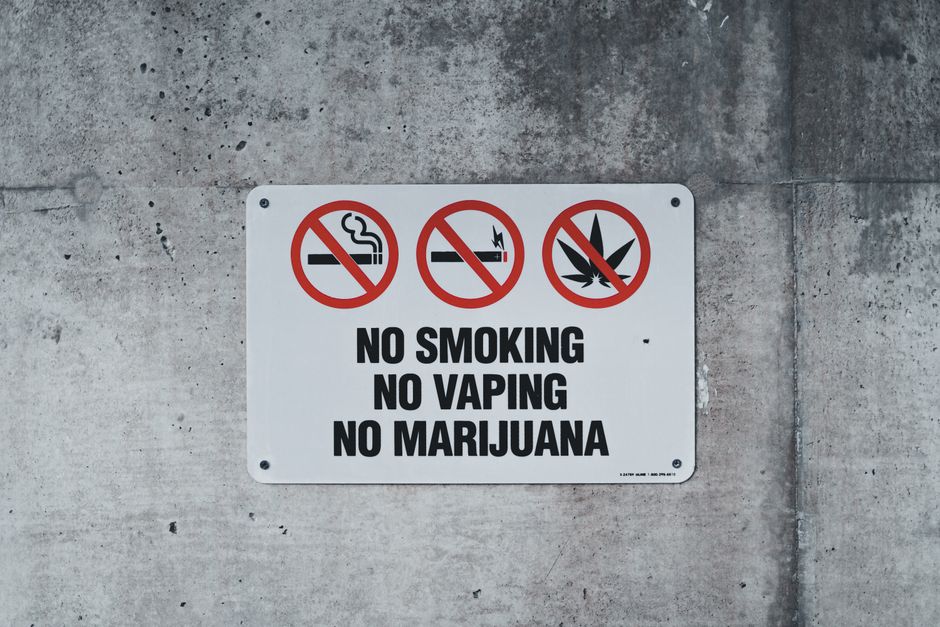
Yes, smoking restricts blood flow. This is not a theory or a marketing claim — it is a direct physical effect of the chemicals in cigarette smoke on your blood vessels. Within minutes of inhaling, your blood vessels narrow, your heart rate rises, and your blood becomes more likely to clot. Over time, this repeated restriction damages the vessel walls and accelerates the buildup of plaque, which is the underlying cause of most smoking-related heart attacks and strokes.
How Does Smoking Actually Restrict Blood Flow?
The restriction happens through two main mechanisms: vasoconstriction and endothelial damage. Vasoconstriction is the immediate narrowing of blood vessels. Nicotine triggers the release of adrenaline, which causes the muscles in your artery walls to contract. The result is a smaller passageway for blood to travel through, which raises blood pressure and forces the heart to work harder.
Carbon monoxide, another major component of smoke, makes the problem worse. It binds to hemoglobin in your blood more readily than oxygen does. This means less oxygen reaches your tissues, even while your heart is straining to push blood through narrowed vessels. The combination of narrow vessels and reduced oxygen delivery is why smokers often feel short of breath during exertion long before they develop serious disease.
Over months and years, the inner lining of the blood vessels — the endothelium — becomes chronically damaged. A healthy endothelium releases nitric oxide, a molecule that tells blood vessels to relax and widen when needed. Smoking impairs this signaling. The vessels lose their ability to dilate properly, so blood flow stays restricted even between cigarettes.
How Quickly Does Blood Flow Return to Normal After Quitting?
The immediate effects begin to reverse quickly. Within 48 hours of quitting, the body clears most of the carbon monoxide, and oxygen levels in the blood return to normal. Within a few weeks, many former smokers notice improved circulation, particularly in their hands and feet. The blood vessels regain some of their ability to widen in response to increased demand.
However, the timeline is not the same for everyone. The degree of damage depends on how long you smoked, how much you smoked, and whether you have other risk factors like high blood pressure, high cholesterol, or diabetes. While the vessel lining can repair itself to a meaningful degree, established plaque buildup does not disappear. The goal of quitting is to stop further damage and allow the body to stabilize.
Research consistently shows that the risk of heart attack and stroke drops substantially within the first year after quitting. Over several years, the risk continues to decline, though it may never return to the level of someone who never smoked. The benefits start immediately, and they accumulate over time.
What Are the Signs That Smoking Has Already Restricted Your Blood Flow?
Some signs are obvious, and others are silent. The most visible signs often appear in the extremities. Cold fingers and toes, a pale or bluish tint to the skin, and slow-healing wounds on the feet or legs can all indicate reduced circulation. Some smokers develop a condition called Buerger’s disease, which causes severe pain and tissue damage in the hands and feet due to blocked vessels. This condition is strongly associated with smoking, though it is not common.
More dangerous are the silent signs. Restricted blood flow to the heart may not cause symptoms until a blockage is severe. Restricted blood flow to the brain may not cause symptoms until a stroke occurs. This is why smoking is often called a silent risk factor — the damage accumulates without warning.
Erectile dysfunction is another common early warning sign. The penis requires healthy blood flow to achieve and maintain an erection, and the small vessels there are often among the first to show the effects of impaired circulation. For many men, this symptom appears years before any heart problem is diagnosed.



Does Smoking Affect Blood Flow in Every Part of the Body?
Smoking restricts blood flow throughout the entire circulatory system, but the effects are most noticeable in certain areas. The extremities are affected early because the vessels there are smaller and more sensitive to changes in diameter. The heart and brain are affected most dangerously because a blockage in those organs can be fatal.
The kidneys also rely on steady blood flow to filter waste from the blood. Chronic restriction of blood flow to the kidneys contributes to kidney disease, and smoking accelerates the decline in people who already have kidney problems. The skin is affected too — reduced blood flow to the skin accelerates aging, delays wound healing, and increases the risk of surgical complications.
The placenta is particularly vulnerable. Smoking during pregnancy restricts blood flow to the fetus, which reduces oxygen and nutrient delivery. This is a direct cause of low birth weight and a major contributor to pregnancy complications. The effects on fetal blood flow are so well established that smoking cessation is one of the most strongly recommended interventions for pregnant women who smoke.
Does Vaping or Nicotine Replacement Restrict Blood Flow Too?
Nicotine itself is the primary driver of vasoconstriction. This means that any product delivering nicotine — including e-cigarettes, nicotine patches, gum, and lozenges — will cause some degree of blood vessel narrowing. The effect is temporary and less severe than smoking because these products do not deliver carbon monoxide or the thousands of other toxic chemicals found in tobacco smoke.
E-cigarettes are not harmless in this regard. Research on vaping and vascular function is still developing, but some studies indicate that vaping also impairs blood vessel dilation, even in people who have never smoked. The long-term cardiovascular consequences of vaping are not yet fully known, but the evidence so far does not support the idea that vaping is free of vascular risk.
Nicotine replacement therapy is considered safer than smoking for the purpose of quitting, and it is widely recommended. The temporary vasoconstriction from a patch or gum is far less dangerous than the ongoing damage from smoking. The goal is to use these products as a bridge to becoming completely nicotine-free.
Can Exercise or Diet Reverse the Damage to Blood Vessels?
Exercise and diet can improve blood vessel function, but they cannot fully undo the damage caused by years of smoking. Regular aerobic exercise improves the endothelium’s ability to release nitric oxide, which helps vessels dilate. A diet rich in vegetables, fruits, whole grains, and healthy fats supports this process by reducing inflammation and improving cholesterol levels.
The most powerful intervention, however, is quitting smoking entirely. No amount of exercise or healthy eating cancels out the ongoing injury caused by continuing to smoke. The vessel wall cannot repair itself while it is being continuously exposed to the toxins in smoke.
Some research suggests that certain foods high in nitrates, such as leafy greens and beets, can temporarily improve blood vessel dilation. These effects are modest and do not counteract the damage from smoking. They are best understood as general cardiovascular support, not as a remedy for smoking-related damage.
When Should You See a Doctor About Poor Circulation?
If you smoke and notice coldness, numbness, color changes, or pain in your hands or feet, you should see a doctor. These symptoms can indicate peripheral artery disease, a condition where narrowed vessels reduce blood flow to the limbs. Peripheral artery disease is a strong warning sign that atherosclerosis is present elsewhere in the body, including the heart and brain.
Chest pain, shortness of breath, or unusual fatigue during exertion also warrant prompt medical attention. These can be signs that restricted blood flow is already affecting the heart. Do not wait for symptoms to become severe before seeking care.
A doctor can measure blood flow using simple tests, such as an ankle-brachial index, which compares blood pressure in the ankle to blood pressure in the arm. This test is painless, quick, and can detect significant circulation problems that have not yet caused symptoms.
Frequently Asked Questions
How long after quitting smoking does blood flow improve?
Blood flow starts improving within days of quitting, as carbon monoxide clears from the blood and oxygen levels normalize. Over several weeks to months, blood vessel function continues to recover, though established plaque buildup does not disappear.
Can smoking one cigarette a day restrict blood flow?
Yes. Even light smoking causes measurable vasoconstriction and increases cardiovascular risk. There is no safe level of smoking when it comes to blood vessel health.
Does nicotine gum restrict blood flow like cigarettes do?
Nicotine gum causes temporary vasoconstriction because nicotine itself narrows blood vessels. It does not deliver carbon monoxide or the other toxins in smoke, so it is far less damaging than smoking, but it is not completely free of vascular effects.
Is poor circulation from smoking permanent?
Not entirely. The vessel lining can repair itself significantly after quitting, and blood flow improves over time. However, plaque that has already built up in the arteries remains, so the risk of heart attack and stroke never returns to that of a never-smoker.
