
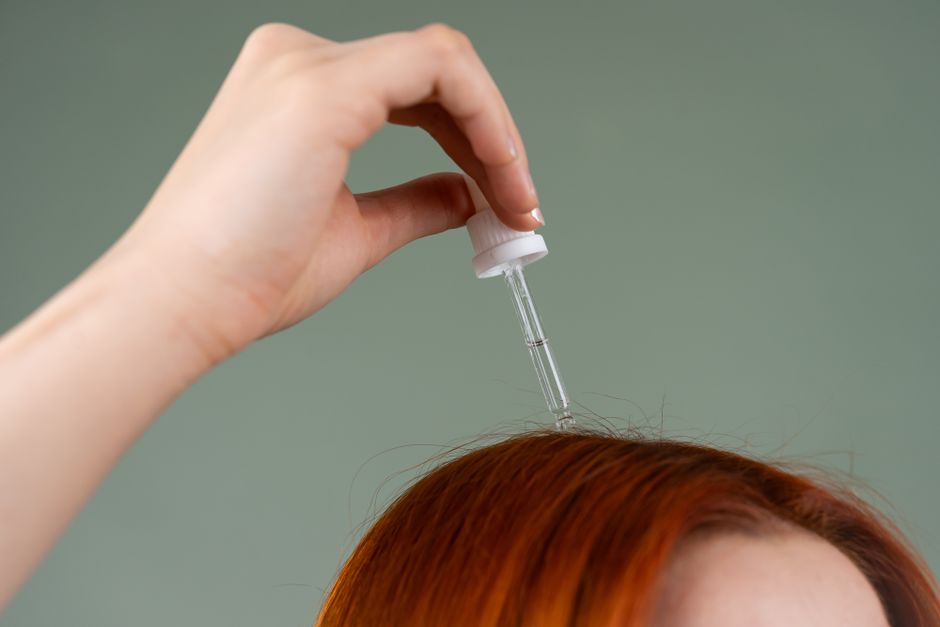
Saw palmetto is one of the most popular natural remedies for hair loss, sold in capsules, shampoos, and serums with confident claims on the label. The honest answer is that the evidence is weaker than the marketing suggests. A small number of studies have looked at it, some with encouraging results, but the research is limited, often low quality, and not strong enough to call saw palmetto a proven treatment for hair loss.
That does not mean it does nothing. It means the proof is not there yet. If you are considering it, here is what the science actually shows, how it is thought to work, and where it fits next to treatments that do have solid evidence behind them.
What Is Saw Palmetto and How Is It Supposed to Work?
Saw palmetto is a small palm native to the southeastern United States. Its berries have been used in traditional medicine for decades, and today the extract is most often sold for prostate symptoms and hair loss.
The proposed mechanism for hair loss centers on hormones. The main form of male pattern hair loss, called androgenetic alopecia, is driven by a hormone called dihydrotestosterone, or DHT. An enzyme in the body called 5-alpha-reductase converts testosterone into DHT. In people genetically prone to pattern hair loss, DHT shrinks hair follicles over time, making hair thinner and shorter until the follicle stops producing visible hair.
Saw palmetto is thought to interfere with that enzyme. In laboratory studies, saw palmetto extracts have been shown to inhibit 5-alpha-reductase activity. The idea is that less enzyme activity means less DHT, which could slow follicle damage.
This is a plausible mechanism. It is also where the caution begins. A treatment working in a lab dish or on an enzyme assay does not mean it works in a human scalp. Many compounds block an enzyme in a test tube and then fail completely when taken as a pill, because of poor absorption, rapid breakdown, or simply not reaching the target tissue in high enough amounts. The mechanism is a reasonable starting point, not proof of benefit.
Does Saw Palmetto Work for Hair Loss? What the Research Shows
The clinical evidence is thin and mixed. A handful of small studies have tested oral saw palmetto in men with androgenetic alopecia, and a few reported improvements in hair counts or hair quality compared with a placebo. The problem is the size and quality of that research.
Most of these studies enrolled only a few dozen participants. Few lasted more than a few months. Several were not well controlled, meaning participants or researchers may have known who was getting the real treatment, which can bias results. When studies are small and imperfect, positive findings are much more likely to be chance or bias rather than a real effect.
Some reviews of the available research have concluded that saw palmetto shows promise but that the evidence is not strong enough to recommend it as an established treatment. Others have found no reliable benefit once weaker studies are set aside. The evidence is genuinely mixed, and no large, high-quality trial has settled the question.
There is also a practical issue with how saw palmetto products are made. Supplements are not held to the same standards as prescription drugs. Two bottles labeled “saw palmetto extract” can contain different amounts of the active compounds, or in some cases little of what the label claims. Even if the ingredient worked, you cannot be sure what you are actually taking.
If you want a single honest summary: saw palmetto might help some people with pattern hair loss, but the evidence is not strong enough to say it works, and it should not be treated as a proven solution.
How Does Saw Palmetto Compare to Proven Treatments?
This is where the conversation gets more useful. Two treatments for androgenetic alopecia have far stronger evidence than saw palmetto.
Minoxidil is a topical treatment applied directly to the scalp. It is available over the counter and has been studied in large, well-controlled trials. It is generally considered effective for many people with pattern hair loss, though results vary and hair loss returns if you stop using it.
Finasteride is an oral prescription medication. It works by blocking the same 5-alpha-reductase enzyme that saw palmetto is thought to affect, but it does so far more reliably and has been tested in large trials. It is approved for male pattern hair loss and is widely considered effective, though it carries a risk of side effects, including sexual side effects in a minority of users.
Notice the pattern. Finasteride is essentially the pharmaceutical version of what saw palmetto is trying to do, and it has the trial data that saw palmetto lacks. That is a useful comparison, not a recommendation. Which treatment is right for you depends on your situation, your health history, and a conversation with a doctor.
Here is a rough comparison of the evidence:
- Saw palmetto: Small, mixed studies. Mechanism plausible but unproven in humans. Not FDA-approved for hair loss.
- Minoxidil: Large controlled trials. Considered effective for many users. Available over the counter.
- Finasteride: Large controlled trials. Considered effective for many men. Prescription only, with possible side effects.
One detail worth knowing: saw palmetto is sometimes marketed as a “natural finasteride.” That framing overstates the case. The two share a proposed mechanism, but sharing a mechanism is not the same as sharing proven results.





Who Might Consider Saw Palmetto, and What Are the Risks?
Saw palmetto is generally tolerated well in the studies that have been done. Reported side effects are usually mild and can include stomach upset, headache, or changes in digestion. Some men have reported sexual side effects, similar in type to those seen with finasteride, though the evidence on how common this is with saw palmetto is limited.
A few cautions matter:
- Saw palmetto may affect blood clotting. If you take blood thinners or have a bleeding disorder, or if you have surgery scheduled, talk to a doctor first.
- It may interact with other medications, including some hormone-related drugs. This is not fully mapped out.
- Because it can affect hormone pathways, people who are pregnant or breastfeeding should not use it without medical guidance. No clinical guidelines support its use in pregnancy or breastfeeding, and hormone-active compounds are generally avoided in these groups.
- It is not intended for children, and there are no established guidelines for its use in anyone under 18.
If you decide to try it, the most sensible approach is to talk with a doctor or pharmacist first, especially if you take any prescription medication. And set realistic expectations. If you see no change after several months, the evidence does not support continuing to spend money on it indefinitely.
Why the Hype Outruns the Evidence
Hair loss is distressing, and that distress creates a market. Products that promise to regrow hair sell well, and supplements face far less scrutiny than drugs before they reach the shelf. A company can sell saw palmetto for hair loss without ever proving it works.
Two things tend to inflate the reputation of natural hair remedies. First, the placebo effect is real and measurable in hair loss research. People in the placebo group of hair studies sometimes report improvement, because hair growth is slow, hard to judge by eye, and influenced by expectation. Second, hair loss naturally fluctuates. Some people have periods where shedding slows or hair looks fuller for reasons unrelated to any product they are using.
None of this means every natural remedy is worthless. It means the bar for proof should be the same whether a treatment comes from a lab or a berry. Saw palmetto has not cleared that bar yet.
If you are losing hair, the most reliable path is to find out why. Pattern hair loss, thyroid problems, iron deficiency, and other conditions can all cause thinning, and they call for different approaches. A doctor can help sort out which one you are dealing with before you spend money on supplements.
Frequently Asked Questions
Does saw palmetto actually regrow hair?
There is no strong evidence that saw palmetto regrows hair. A few small studies suggest it might slow hair loss in some men, but the research is too limited and mixed to confirm a real benefit.
How long does saw palmetto take to work for hair loss?
No established timeline exists because the evidence is not strong enough to define one. Hair growth is slow in general, and any hair treatment is typically judged over several months, not weeks.
Is saw palmetto a natural alternative to finasteride?
It is often marketed that way because both are thought to affect the same hormone pathway, but saw palmetto lacks the large controlled trials that support finasteride. Sharing a mechanism does not mean sharing proven results.
Is saw palmetto safe to take every day?
It appears generally well tolerated in studies, with mostly mild side effects like stomach upset. It can affect blood clotting and hormone pathways, so check with a doctor first if you take medications, have surgery planned, or are pregnant or breastfeeding.
