
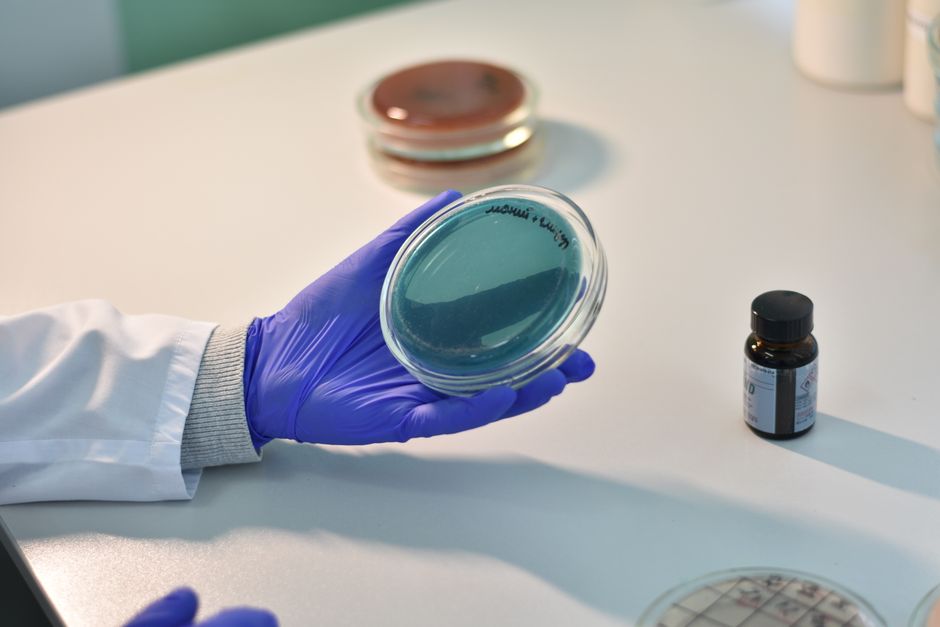
Retinol does not kill bacteria directly. It works indirectly by changing the environment of your skin so that acne-causing bacteria struggle to survive. This is a common point of confusion, and understanding the difference matters for how you treat breakouts. Retinol is a form of vitamin A that speeds up cell turnover and reduces the oil that feeds bacteria, but it is not an antibacterial agent like benzoyl peroxide or prescription antibiotics.
What Does Retinol Actually Do to Your Skin?
Retinol works on the skin’s surface and deeper layers. It binds to receptors in skin cells and signals them to behave younger and healthier. The most important effect is increased cell turnover. Old, dead skin cells that clog pores are shed faster and replaced with new ones.
This process takes time. Skin cells normally turn over roughly every 28 days in young adults. With regular retinol use, that cycle speeds up. Faster turnover means pores stay clearer. When pores are not clogged, bacteria have less material to feed on and less space to multiply.
Why Bacteria Grow in Pores in the First Place
The bacteria most linked to acne is called Cutibacterium acnes (formerly Propionibacterium acnes). It lives on everyone’s skin. It is not harmful in normal amounts. Problems start when pores become blocked.
Your sebaceous glands produce oil called sebum. Sebum is the natural food source for C. acnes. When dead skin cells mix with excess oil, the pore becomes a closed environment. The bacteria multiply inside this pocket. Your immune system responds with inflammation, which shows up as red, swollen pimples.
Retinol does not chase these bacteria and destroy their cell walls. Instead, it reduces the oil supply and keeps dead cells from piling up. Without those conditions, the bacteria population drops naturally.
Does Retinol Kill Bacteria Directly Or Indirectly — The Mechanism Explained
The answer is indirect. Retinol does not have direct antimicrobial properties. It does not damage bacterial cell membranes or interfere with bacterial reproduction the way antibiotics do.
Indirectly, retinol creates a skin environment that is less hospitable to bacteria in several ways:
- It reduces sebum production, cutting off the bacteria’s food source.
- It normalizes the shedding of dead skin cells, preventing pore blockages.
- It helps keep the skin barrier healthy, which supports your skin’s own immune defenses.
- It reduces inflammation, which limits the visible damage bacteria cause.
Some research has looked at whether retinoids affect the skin microbiome — the community of bacteria living on your skin. Studies suggest that retinoid use can shift the balance of skin bacteria over time. But this is a secondary effect of changing the skin environment, not a direct killing action.





How Retinol Compares to True Antibacterial Ingredients
If retinol does not kill bacteria, what does? Several ingredients genuinely do kill or suppress acne bacteria directly.
Benzoyl peroxide is the most well-known direct antibacterial for acne. It releases oxygen into the pore. C. acnes is an anaerobic bacterium, meaning it cannot survive in the presence of oxygen. Benzoyl peroxide creates an oxygen-rich environment that kills the bacteria outright.
Topical antibiotics like clindamycin and erythromycin also kill bacteria directly. They interfere with bacterial protein production, which stops the bacteria from reproducing. These are prescription treatments and are usually combined with other ingredients to reduce the risk of antibiotic resistance.
Salicylic acid is different from both. It does not kill bacteria either. It works by dissolving the glue that holds dead skin cells together, helping them shed more easily. Like retinol, it works indirectly by preventing clogged pores.
The table below compares how these common acne treatments work:
| Ingredient | Primary Action | Kills Bacteria Directly? |
|---|---|---|
| Retinol | Speeds cell turnover, normalizes shedding | No |
| Benzoyl peroxide | Releases oxygen into pores | Yes |
| Clindamycin (antibiotic) | Stops bacterial protein production | Yes |
| Salicylic acid | Dissolves dead skin cell bonds | No |
| Adapalene (retinoid) | Same as retinol, stronger prescription form | No |
Why Retinol Is Still Effective for Acne Despite Not Killing Bacteria
Acne is not simply a bacterial infection. It is a multi-step process. Bacteria are one part of the chain, but they are not the starting point.
The chain starts with excess oil and abnormal dead skin cell shedding. Then the pore blocks. Then bacteria multiply. Then inflammation develops. Retinol interrupts the chain early. By keeping pores clear, it prevents the bacteria from ever reaching high numbers in the first place.
This is why dermatologists often recommend retinol as a first-line treatment for acne. It addresses the root cause rather than just the bacterial overgrowth. It also has the advantage of improving skin texture, fading dark spots left by old breakouts, and reducing fine lines over time.
One important note: retinol is slow. It takes weeks to see results. Clinical studies generally show meaningful improvement after 8 to 12 weeks of consistent use. Initial breakouts can even get worse in the first few weeks as skin adjusts. This purging phase happens because retinol speeds up the shedding of dead cells, bringing hidden clogged pores to the surface faster.
Can You Combine Retinol With Antibacterial Treatments?
Yes. In fact, combining retinol with a direct antibacterial agent is a common strategy for treating moderate acne. Many dermatologists recommend using benzoyl peroxide in the morning and a retinol at night.
This combination attacks acne from two angles. The retinol prevents new clogged pores from forming. The benzoyl peroxide kills bacteria that are already present in existing breakouts. Together they cover both the indirect and direct pathways.
There are caveats. Both ingredients can be irritating, especially when you first start using them. Benzoyl peroxide can bleach clothing and towels. Retinol increases sun sensitivity, so daily sunscreen use becomes non-negotiable.
If you use a prescription retinoid like tretinoin, do not apply benzoyl peroxide at the same time. They can inactivate each other when applied together. Use one in the morning and the other at night, or on alternating days, unless your dermatologist advises otherwise.
Antibiotic resistance is another reason combination therapy matters. Topical antibiotics like clindamycin should not be used alone for long periods. When bacteria become resistant to an antibiotic, that treatment stops working. Combining an antibiotic with benzoyl peroxide or a retinoid reduces this risk. This is why many prescription acne products combine clindamycin with benzoyl peroxide or adapalene.
What the Evidence Says About Retinol and the Skin Microbiome
Research on how retinoids affect skin bacteria is still developing. Some studies have examined the skin microbiome of people using retinoids and found shifts in bacterial populations. These changes appear to be a consequence of altered skin conditions rather than a direct antimicrobial effect.
When sebum production drops and cell turnover normalizes, the skin surface changes. Different bacteria thrive in different conditions. The balance can shift toward a healthier community over time. But the evidence here is not definitive. Microbiome research is complex, and results vary between studies and between individuals.
The honest position is this: we know retinol improves acne through cell turnover and sebum regulation. We do not have strong evidence that retinol directly kills or suppresses bacteria through an antimicrobial mechanism. Any changes to skin bacteria are likely secondary to the skin environment changing.
How to Use Retinol Correctly for Acne
Using retinol properly matters more than which brand you choose. Start slow and be consistent.
Begin with a low concentration, usually 0.25% to 0.5% retinol, applied every other night. After two weeks, if your skin tolerates it, increase to nightly use. Apply a pea-sized amount to clean, dry skin. More product does not mean better results — it means more irritation.
Retinol is broken down by sunlight, so it belongs in your nighttime routine. In the morning, wash your face and apply sunscreen. Retinol makes skin more sensitive to UV damage, and sun exposure can undo its benefits.
Moisturizer is not optional. Retinol can compromise the skin barrier during the adjustment period. Apply moisturizer after retinol has absorbed, or use the sandwich method — moisturizer, then retinol, then more moisturizer — if your skin is sensitive.
Do not use retinol on broken or sunburned skin. Do not combine it with other strong active ingredients like alpha-hydroxy acids on the same night unless a dermatologist has specifically directed you to. This increases irritation without adding benefit.
Pregnant women and those planning pregnancy should avoid retinol. Oral retinoids like isotretinoin are known to cause birth defects. Topical retinol is less studied in pregnancy, and most dermatologists advise stopping it during pregnancy and while breastfeeding. No clinical guidelines currently confirm safe use of topical retinol in pregnancy, so the conservative approach is to avoid it.
When Retinol Is Not Enough
Retinol treats mild to moderate acne well. It is not always sufficient for severe or cystic acne. If you have deep, painful nodules or widespread inflammatory acne, you may need prescription-strength treatment.
Prescription retinoids like tretinoin and adapalene are stronger than over-the-counter retinol. They work the same way but bind more effectively to skin receptors. Dermatologists may also prescribe oral antibiotics for short-term use, hormonal therapy like spironolactone for women, or isotretinoin for severe resistant cases.
See a dermatologist if over-the-counter products have not improved your skin after three months of consistent use. Acne that leaves scars warrants professional treatment earlier. Scarring is easier to prevent than to reverse.
Frequently Asked Questions
Does retinol kill acne bacteria on contact?
No. Retinol has no direct antibacterial action and does not kill bacteria on contact. It works indirectly by preventing clogged pores so bacteria have less opportunity to multiply.
Is retinol better than benzoyl peroxide for acne?
They treat acne differently. Retinol prevents new breakouts by keeping pores clear, while benzoyl peroxide kills existing bacteria directly. Many people use both for better results.
Can I use retinol if my acne is caused by bacteria?
Yes. Even bacterial acne starts with clogged pores. Retinol addresses that root cause, which reduces bacterial growth indirectly. If your acne is severe, a dermatologist may recommend adding an antibacterial treatment.
How long does retinol take to clear acne?
Most people see noticeable improvement after 8 to 12 weeks of consistent use. Some experience a temporary worsening of breakouts in the first few weeks before improvement begins.
