
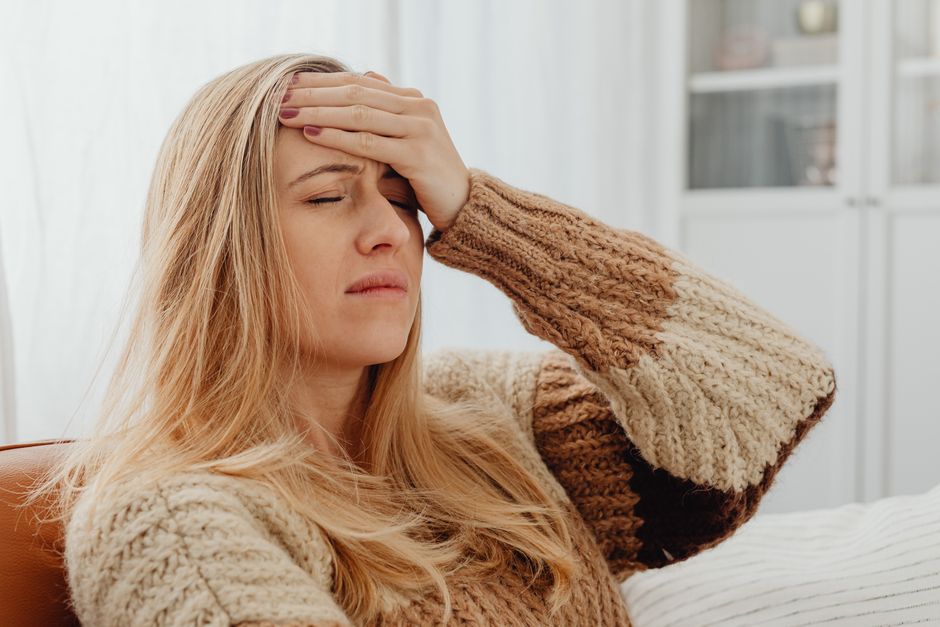
Yes, for many people, neuropathy symptoms get worse in winter. The drop in temperature affects blood flow and nerve function in ways that can increase pain, numbness, and tingling. This is a common experience for people with diabetic neuropathy, chemotherapy-induced neuropathy, and other forms of peripheral nerve damage.
Why Does Cold Weather Make Neuropathy Worse?
Your body is designed to protect your core organs when temperatures drop. When you get cold, blood vessels in your hands, feet, arms, and legs narrow. This process, called vasoconstriction, sends warm blood away from your extremities to keep your heart and brain warm.
For people with healthy nerves, this is a normal response. But damaged nerves are more sensitive to reduced blood flow. Less blood reaching your hands and feet means less oxygen and fewer nutrients for already-stressed nerve tissue. The result is often increased tingling, burning, or sharp pain.
Cold weather also slows nerve signal transmission. Nerves send electrical signals more slowly at lower temperatures. For someone with neuropathy, this can make the abnormal signals that cause pain feel stronger or more frequent.
How Much Colder Does It Need to Get?
There is no specific temperature threshold that triggers neuropathy flare-ups for everyone. Some people notice symptoms worsen when temperatures drop below 50°F. Others only have problems when it is near freezing.
Changes in barometric pressure may also play a role. Some research suggests that falling pressure before a storm can increase nerve pain, though the evidence for this is not as strong as the evidence for temperature effects.
Wind chill matters too. A 40°F day with strong wind can feel like 30°F to your exposed skin. Your hands and feet lose heat quickly in these conditions, which can trigger symptoms even if the thermometer does not show a dramatic drop.
What Types of Neuropathy Are Most Affected by Winter?
Not all neuropathy is the same. The type of nerve damage you have influences how much winter affects you.
Diabetic peripheral neuropathy is the most common form. People with this condition often report significant winter worsening. The combination of existing nerve damage and reduced circulation in cold weather is particularly challenging.
Chemotherapy-induced neuropathy also tends to flare in cold weather. Certain chemotherapy drugs, particularly platinum-based ones like oxaliplatin, make nerves highly sensitive to cold. Some people experience tingling in their hands and throat immediately after touching something cold, even in summer. Winter amplifies this effect.
Idiopathic neuropathy — neuropathy with no known cause — affects many people. Winter worsening is commonly reported here too, though the exact mechanism is less studied.
One important note: not everyone with neuropathy gets worse in winter. Some people report that their symptoms stay the same year-round. A smaller group actually feels better in cold weather, possibly because cold numbs the nerve endings temporarily.





What Can You Do to Manage Winter Neuropathy Symptoms?
You cannot change the weather, but you can change how your body responds to it. Several strategies have evidence behind them.
Keep Your Extremities Warm
This sounds simple, but it is the most effective step. Wear insulated socks, thermal gloves, and warm shoes. Layer your clothing to trap body heat. Pay special attention to your feet and hands — they lose heat fastest.
Heated insoles and rechargeable hand warmers can help during outdoor activities. If you spend time outside, do not expose your hands and feet for even short periods without protection.
Stay Active Indoors
Movement increases blood flow. Gentle indoor exercise like walking, stretching, or yoga can help maintain circulation without exposing you to cold air. Some studies suggest regular physical activity improves neuropathy symptoms over time, though the effect on winter flare-ups specifically is less studied.
Warm Baths and Showers
Warm water dilates blood vessels and temporarily increases circulation to your extremities. A warm foot bath before bed can ease nighttime symptoms. Keep the water warm, not hot — very hot water can burn skin that has reduced sensation.
Manage Blood Sugar Carefully
If you have diabetic neuropathy, winter can make blood sugar harder to control. People tend to be less active and may eat heavier foods during winter months. High blood sugar directly damages nerves further. Consistent blood sugar management is one of the few strategies proven to slow neuropathy progression.
Are There Medications That Help With Winter Flare-Ups?
Your regular neuropathy medications should continue through winter. If your symptoms worsen significantly, talk to your doctor about whether a temporary adjustment is appropriate.
Over-the-counter options like capsaicin cream or lidocaine patches may provide localized relief. Some people find these helpful for cold-related pain flares. The evidence for these products is moderate — they work for some people but not everyone.
Do not start new supplements or medications without discussing them with your doctor. Some supplements marketed for nerve health, like alpha-lipoic acid and B-vitamin complexes, have some research support. But the evidence is mixed, and dosing matters. Your doctor can help you weigh potential benefits against risks.
When Should You See a Doctor About Winter Neuropathy?
Winter worsening of known neuropathy is expected. But certain changes warrant a medical evaluation.
Seek medical attention if you experience:
- Sudden or severe increase in pain that does not respond to your usual treatments
- New weakness in your arms or legs
- Loss of bladder or bowel control
- Skin changes — especially pale, blue, or cold skin that does not warm up
- Open sores or wounds on your feet that are not healing
These symptoms can indicate a different problem, including reduced blood flow from peripheral artery disease, which can coexist with neuropathy. Prompt evaluation matters because delayed treatment can lead to complications.
Is Neuropathy Worse in Winter for Everyone?
No. Winter worsening is common but not universal. Studies and clinical reports consistently note that many people with neuropathy report more symptoms in cold months. But a significant portion of people notice no seasonal change.
If your symptoms do not worsen in winter, that is normal too. Your experience does not mean your neuropathy is more or less serious. The key is managing your symptoms consistently throughout the year.
Can Winter Weather Damage Nerves Further?
Cold exposure itself does not cause permanent nerve damage in most cases. The increased pain and discomfort you feel in winter typically resolves when you warm up.
However, there is an indirect risk. Reduced sensation in your feet makes it harder to notice cold injury. Frostbite can occur without you feeling it. This is a real danger for people with severe neuropathy who spend time outdoors in extreme cold.
If you have significant numbness, check your feet and hands regularly during winter. Look for discoloration, blisters, or areas that feel unusually cold. If you notice anything concerning, seek medical care promptly.
Frequently Asked Questions
Why is my neuropathy worse in cold weather?
Cold causes blood vessels in your hands and feet to narrow, reducing blood flow to already-damaged nerves. This reduction in oxygen and nutrients can increase pain, tingling, and numbness.
Does neuropathy get better in summer?
Some people do feel better in warm weather because heat dilates blood vessels and improves circulation to the extremities. However, this is not universal — some people find heat makes their burning pain worse.
What is the best way to keep neuropathy pain away in winter?
Keeping your hands and feet warm with insulated clothing is the most effective strategy. Staying active indoors and maintaining good blood sugar control if you have diabetes also helps reduce winter flare-ups.
Can cold weather cause permanent nerve damage?
Cold exposure alone does not typically cause permanent nerve damage in people with existing neuropathy. The main risk is frostbite from reduced sensation, which can cause tissue damage if you cannot feel how cold your skin is getting.
