
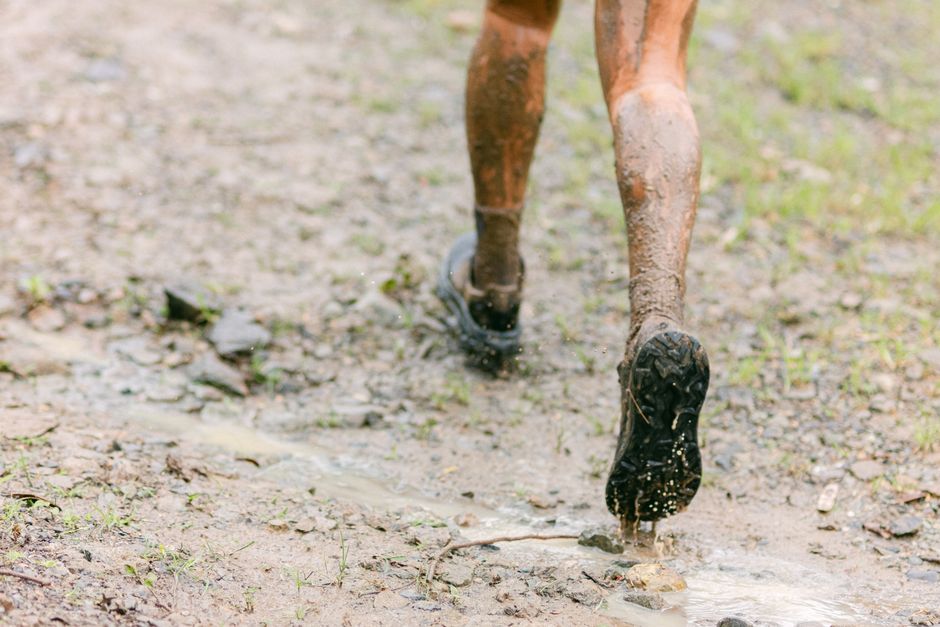
Does playing in dirt build your immune system? Yes, to a meaningful degree. The human immune system learns by exposure, and soil, plants, animals, and other people all carry microbes that help train it. But that training is not unlimited, and it does not mean dirt is a treatment or a shield against disease. The relationship is real, well studied, and more nuanced than most headlines suggest.
Does Playing In Dirt Build Your Immune System?
The short answer is that early and varied microbial exposure appears to support normal immune development. The immune system is not a muscle you can bulk up with a single workout. It is more like a classroom where the curriculum is built from everything the body encounters.
Children who grow up around diverse microbes — in soil, on farms, with pets, and among other children — tend to develop a more balanced immune response. This idea is often called the hygiene hypothesis, and a more current version is sometimes called the biodiversity hypothesis or the old friends hypothesis. The core concept is the same: some exposure to microbes early in life helps the immune system learn what is harmless and what is not.
What dirt does not do is make you immune to infections. It does not replace vaccines. It does not treat autoimmune disease. And the evidence that playing in dirt prevents specific conditions is stronger for some conditions than others.
What Is the Hygiene Hypothesis and Is It Still Valid?
The hygiene hypothesis was first proposed in 1989 by an epidemiologist named David Strachan, who noticed that children with more siblings had fewer allergies. His idea was that infections in early childhood protected against allergic disease. That original framing has since been refined.
The modern understanding is not that hygiene is bad. Clean water, sanitation, and handwashing save lives and prevent serious disease. The refined view is that the immune system needs exposure to certain types of microbes — particularly those that co-evolved with humans — to develop properly. Without that exposure, the immune system may become more reactive to harmless substances like pollen, dust, or food proteins.
Some research suggests this shift in microbial exposure is one factor behind rising rates of allergies and autoimmune conditions in industrialized countries. The evidence is strongest for allergies and asthma, and less consistent for autoimmune diseases. It is also difficult to separate microbial exposure from other factors like diet, pollution, and genetics.
The hygiene hypothesis is not a reason to avoid cleaning your kitchen. It is a reason to question the idea that all germs are enemies.
How Does the Immune System Learn From Microbes?
The immune system has two broad arms. The innate immune system responds quickly and broadly to anything foreign. The adaptive immune system learns specific threats and remembers them. Adaptive immunity is what vaccines train, and it is also what natural exposure trains.
When a child encounters a diverse range of microbes, several things happen:
- Regulatory T cells develop and learn to calm immune responses to harmless substances.
- The gut microbiome matures, and a diverse gut microbiome is associated with a more balanced immune response.
- The immune system builds a library of memories that helps it respond efficiently to real threats.
Soil is one source of this microbial diversity. A single gram of soil can contain thousands of different bacterial species, along with fungi, protozoa, and other microorganisms. Many of these are harmless or even beneficial to humans. Some are not.
This is where the nuance matters. The immune system does not benefit from all microbes equally. It benefits from diverse, mostly harmless exposure — not from pathogens that cause serious illness.




Does Dirt Exposure Actually Reduce Allergies and Asthma?
The evidence here is mixed but leans toward yes for some outcomes. Studies of children raised on farms in Europe have consistently found lower rates of asthma, hay fever, and eczema compared to children raised in cities. The protective effect appears strongest when exposure happens early, and when the farm environment includes animals and unprocessed food.
Research published in the New England Journal of Medicine and other journals has linked farm exposure to specific immune changes, including higher levels of regulatory T cells and different patterns of gene expression in immune cells. These findings suggest a biological mechanism, not just a correlation.
But the picture is not simple. Not all studies show a benefit. Some show that certain types of exposure increase risk. And the effect sizes vary widely depending on the population, the type of exposure, and the outcome measured.
What the evidence does not support is the idea that letting a child play in dirt will reliably prevent allergies. It may reduce risk in some children. It will not eliminate it.
Can Dirt Exposure Prevent Autoimmune Disease?
The evidence for autoimmune disease is weaker than for allergies. Some studies have found associations between early microbial exposure and lower rates of conditions like type 1 diabetes, inflammatory bowel disease, and multiple sclerosis. But these are associations, not proof of cause and effect.
Autoimmune diseases have complex causes involving genetics, environment, and immune regulation. Microbial exposure is one piece of a much larger puzzle. No study has shown that playing in dirt prevents any autoimmune disease.
What some researchers propose is that a diverse microbiome supports immune tolerance — the ability of the immune system to avoid attacking the body’s own tissues. This is a plausible mechanism, but it has not been confirmed as a clinical treatment or prevention strategy.
Is There a Downside to Letting Kids Play in Dirt?
Yes, and it is worth being direct about it. Soil can contain harmful organisms. Tetanus, a serious bacterial infection, is caused by a bacterium found in soil. Hookworm and other parasites can be transmitted through contaminated soil. Some fungi in soil can cause infection, especially in people with weakened immune systems.
The risk is low for most healthy children playing in typical outdoor environments. But it is not zero. The key is context:
- Soil contaminated with animal waste carries higher risk.
- Children with compromised immune systems face higher risk from any environmental exposure.
- Broken skin creates an entry point for infection.
- Handwashing after outdoor play remains important, especially before eating.
This is not a reason to keep children indoors. It is a reason to be thoughtful about where and how they play.
What About Adults — Can Playing in Dirt Help Your Immune System?
The immune system is most responsive to microbial training early in life, but it does not stop learning. Adults who spend time outdoors, garden, or interact with animals may experience some immune benefits. Some studies suggest that gardening is associated with improved mood and reduced stress, which can indirectly affect immune function.
But the evidence for adults is much thinner than for children. The developmental window for immune education appears to be early childhood and possibly adolescence. After that, the immune system is more set in its ways.
That does not mean adult exposure is useless. It may support a diverse microbiome, and a diverse microbiome is generally associated with better health outcomes. But the effect is likely smaller than what happens in early life.
Does Playing in Dirt Replace Vaccines or Medical Care?
No. This is one of the most important points in this article. Dirt exposure and vaccination work through different mechanisms and serve different purposes. Vaccines train the immune system against specific dangerous pathogens in a controlled way. Dirt exposure provides broad, nonspecific microbial input that may support immune regulation.
No evidence suggests that dirt exposure provides immunity to measles, polio, tetanus, or any other vaccine-preventable disease. No evidence suggests it treats infections. Anyone who claims otherwise is making a claim that no clinical trial has supported.
Dirt is not medicine. It is part of the environment in which a healthy immune system develops.
What Does the Evidence Actually Support?
Here is a straightforward summary of what the research shows and does not show:
- Strong evidence: Early life exposure to diverse microbes supports normal immune development.
- Moderate evidence: Farm and rural environments are associated with lower rates of allergies and asthma in children.
- Limited evidence: Dirt exposure specifically reduces risk of autoimmune disease.
- No evidence: Dirt exposure prevents or treats infections, replaces vaccines, or cures any disease.
The honest takeaway is that playing in dirt is one part of a broader pattern of microbial exposure that appears to support immune health. It is not a standalone solution. It is not a substitute for medical care. And it is not a guarantee of anything.
What it is, for most children, is a normal, low-risk part of growing up that may offer some immune benefit alongside the many other benefits of outdoor play.
Frequently Asked Questions
Does playing in dirt actually build your immune system?
Yes, to some degree. Early exposure to diverse microbes in soil and the environment helps the immune system learn to distinguish harmless substances from real threats.
Can playing in dirt prevent allergies?
It may reduce risk in some children, especially with early and varied exposure. But no evidence shows it prevents allergies reliably, and genetics and other factors also play major roles.
Is it safe for kids to play in dirt?
For most healthy children, yes. Soil can carry harmful organisms like tetanus bacteria, so handwashing after play and avoiding contaminated soil are reasonable precautions.
Does dirt exposure replace the need for vaccines?
No. Vaccines and dirt exposure work through different immune mechanisms, and no evidence suggests dirt provides immunity to vaccine-preventable diseases.
