
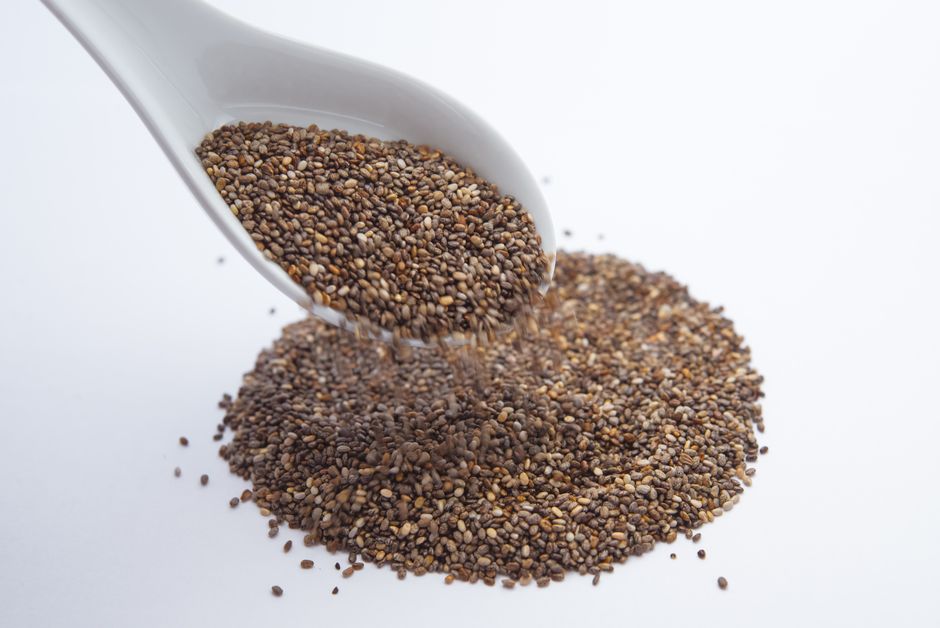
Pea protein powder does not contain the fiber found in whole peas. The fiber is removed during processing to create a concentrated protein powder. This is not a hidden trick or a sign of a low-quality product — it is simply how most protein isolates and concentrates are made.
Does Pea Protein Have Fiber Or Is It Removed During Processing?
The short answer is that fiber is removed. Whole yellow peas contain a good amount of fiber — about 8 grams per half cup cooked. But pea protein powder is a different product entirely.
To make pea protein, manufacturers start with dried yellow peas. They grind them into flour. Then they use water or a solvent to separate the protein from the starch and fiber. The protein is dried into a powder. The fiber is left behind in what is called the “pulp” or “residue.”
This process is standard across the industry. It is the same way soy protein isolate and rice protein are made. The goal is to get a high-protein powder with minimal carbs and fat. Fiber is a carbohydrate, so it gets removed along with the starch.
Some brands sell “whole pea flour” or “pea fiber” as separate products. These have more fiber but much less protein per serving. You cannot have both high protein and high fiber in the same pea-based powder unless the fiber is added back later.
How Much Fiber Is Actually in Pea Protein Powder?
Most plain pea protein powders contain between 0 and 2 grams of fiber per 30-gram scoop. The exact amount depends on how the powder was processed.
Pea protein isolate is the most refined form. It is typically 80-90% protein by weight. It usually has 0 to 1 gram of fiber per serving. The USDA Nutrient Database lists pea protein isolate as having 0.5 grams of fiber per 100 grams of powder — that is a tiny amount.
Pea protein concentrate is less processed. It is usually 60-75% protein by weight. It may have 1 to 3 grams of fiber per serving. But even this is far less than the 8 grams of fiber you would get from eating whole cooked peas.
Some brands add back fiber from pea hulls or other plant sources. These products will list higher fiber on the label. But the fiber is not naturally present in the protein — it was added as a separate ingredient.
What Happens to the Fiber That Is Removed?
The fiber from pea processing does not go to waste. It is typically dried and sold as pea fiber powder. This product is used as a food additive or sold as a standalone fiber supplement.
Pea fiber is mostly insoluble fiber. That means it does not dissolve in water. It adds bulk to stool and helps with regularity. Some companies also use it to thicken soups, sauces, or baked goods.
There is also a starch fraction from processing. This is sometimes used in gluten-free baking or as a thickener in processed foods. So the whole pea is used — the protein goes into one product, the fiber and starch go into others.
If you see a pea protein product that claims to have 5 or more grams of fiber per serving, check the ingredient list. It likely contains added pea fiber. That is not a bad thing, but it is important to know the difference.


Does Pea Protein Have Fiber Or Is It Removed — What the Labels Tell You
Reading the label is the only way to know for sure. Look at two things: the fiber amount on the nutrition facts panel and the ingredient list.
A plain pea protein isolate will have a short ingredient list — often just “pea protein isolate.” The fiber number will be close to zero. A product with added fiber will list “pea fiber” or “pea hull fiber” as an ingredient. The fiber number will be higher, often 3 to 6 grams per serving.
Here is a quick comparison of what different pea-based products look like nutritionally:
| Product Type | Protein (per 30g) | Fiber (per 30g) | Fiber Source |
|---|---|---|---|
| Whole cooked peas | ~4g | ~4g | Natural |
| Pea protein isolate | ~24g | 0-1g | None |
| Pea protein concentrate | ~20g | 1-3g | Trace |
| Pea protein + added fiber | ~22g | 4-6g | Added |
| Pea flour | ~8g | ~6g | Natural |
If you are choosing a protein powder for muscle recovery or meal replacement, the isolate or concentrate is fine. If you are trying to increase your fiber intake, you will need to get that from other foods or a separate fiber supplement.
Should You Be Concerned About the Missing Fiber?
For most people, no. Pea protein powder is a supplement, not a whole food. It fills a specific need — getting more protein without many calories from carbs or fat.
If you rely on pea protein as a major part of your daily diet, you might miss out on fiber. But that is true of any protein powder. The solution is simple: eat fiber-rich foods at other meals. Vegetables, fruits, legumes, and whole grains are the real sources of fiber.
The American Heart Association recommends 25 to 30 grams of fiber per day. Most Americans get about half that. If you use pea protein powder, just be aware that it is not contributing to that goal. Plan your other meals accordingly.
Some people report digestive discomfort from high-fiber foods. For them, a low-fiber protein powder might actually be easier to digest. But if you are using pea protein because you think it is a good source of fiber, you have been misled by marketing. It is not.
Common Misconceptions About Pea Protein and Fiber
A few myths keep coming up. Here is what the evidence actually shows.
Myth: Pea protein is a whole food. It is not. It is a processed ingredient. Whole peas are a whole food. Pea protein is the isolated protein fraction. They are not interchangeable nutritionally.
Myth: “Natural” pea protein keeps the fiber. There is no natural form of concentrated pea protein that retains all the fiber. Any concentrated protein product — whether labeled natural, organic, or conventional — has had the fiber removed. The process is what makes it a protein powder in the first place.
Myth: Brown or unrefined pea protein has more fiber. The color of the powder does not tell you anything about fiber content. Some brands add coloring or use less refined starting material, but the fiber content depends on the processing method, not the color.
Myth: You can get both high protein and high fiber from one scoop. Not from a standard protein powder. To get both, you would need to add fiber back in. Some brands do this intentionally. Others just have trace amounts left over from incomplete processing. Read the label to know which is which.
If you see a product that claims to be “high protein and high fiber,” check the serving size. Some brands use a very large scoop to make the numbers look better. A 50-gram serving of pea protein might have 3 grams of fiber, but that is still a low fiber-to-calorie ratio.
Frequently Asked Questions
Does pea protein powder have any fiber at all?
Most plain pea protein powders have 0 to 2 grams of fiber per serving. Pea protein isolate has almost none. Pea protein concentrate may have a small amount left over from processing.
Why is fiber removed from pea protein?
Fiber is removed to concentrate the protein. The goal of making pea protein powder is to get a high-protein, low-carb product. Fiber is a carbohydrate, so it is separated out during processing.
Can I get enough fiber if I use pea protein every day?
Yes, as long as you eat other fiber-rich foods throughout the day. Pea protein powder does not contribute significant fiber, so you need to get your 25-30 grams from vegetables, fruits, legumes, or whole grains.
Is there a pea protein powder with fiber added back?
Yes, some brands add pea fiber or other fiber sources to their protein powder. Check the ingredient list for “pea fiber” or “pea hull fiber.” The nutrition label will show higher fiber content if it has been added.
