
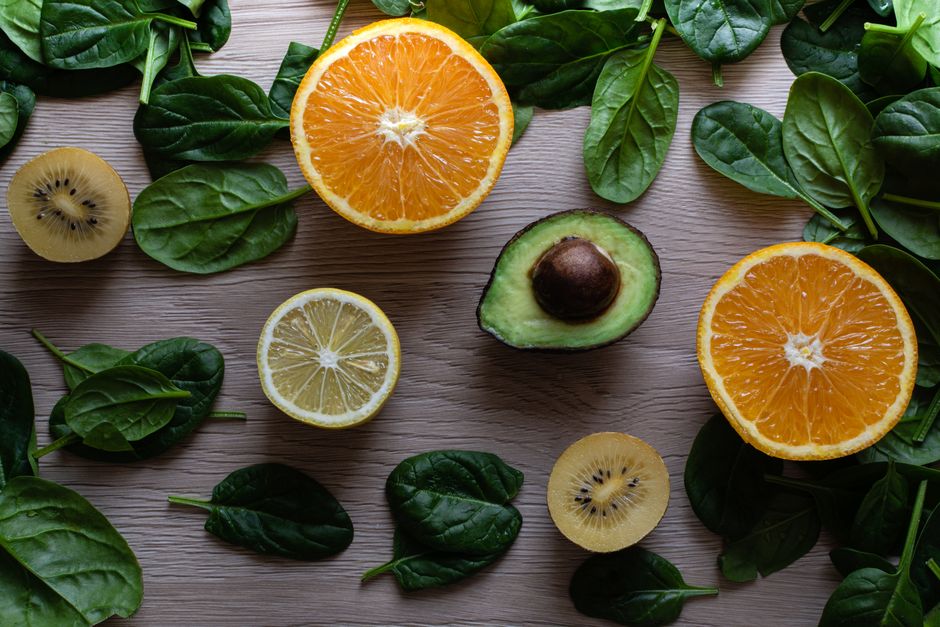
Does organic food have more nutrients? The answer is more complicated than most headlines suggest. Some studies find modestly higher levels of certain nutrients in organic crops, while others find no meaningful difference. The strongest and most consistent evidence points to lower pesticide residues in organic produce — not a large nutritional advantage. If you are choosing organic mainly to boost your nutrient intake, the research does not strongly support that goal.
What Does “Organic” Actually Mean?
Organic is a farming standard, not a nutrition label. In the United States, the USDA National Organic Program sets the rules for what can carry the organic seal.
For crops, organic means the food was grown without synthetic fertilizers, synthetic pesticides, sewage sludge, or genetic engineering. For livestock, it means the animals were raised without antibiotics or added hormones, and were given organic feed with some access to pasture.
None of these rules are written to increase vitamin or mineral content. They are written to change how food is produced. That distinction matters, because a food can meet every organic standard and still vary widely in nutrient content depending on soil, weather, variety, and how fresh it is when you eat it.
This is the core issue with the whole debate. Organic and conventional describe methods. Nutrient levels describe the food itself. Those are two different things.
Does Organic Food Have More Nutrients The Science
The evidence is mixed, and the differences that do show up are usually small. That is the honest summary after decades of research.
Some studies have found higher levels of certain antioxidants and some minerals in organic crops. A widely cited review of the research found that organic crops tended to have modestly higher concentrations of some antioxidant compounds and lower levels of cadmium, a metal that can be present in soil. Other analyses looking at vitamins and minerals have found little or no consistent difference.
The pattern is not uniform. Results vary by crop, by nutrient, and by the specific farm and season. A carrot grown organically in one field may test differently than an organic carrot from another region. The same is true for conventional produce.
Here is the part that gets lost. Even where differences appear, they tend to be small relative to the natural variation in food. Two conventional apples can differ from each other by more than an organic apple differs from a conventional one on average.
So the science does not support the idea that organic food is broadly more nutritious. It supports a narrower claim: some organic crops may have somewhat higher levels of certain compounds, and the reasons are not fully settled.
Why Might Nutrient Levels Differ At All?
When differences appear, they usually come down to farming conditions rather than the organic label itself.
One factor is yield. Organic farms often produce less per acre. Some researchers have proposed that when a plant grows more slowly or produces less, it can concentrate certain compounds in its tissue. This is a plausible explanation, but it is not firmly established as the main cause.
Another factor is soil and fertilizer type. Organic systems rely more on compost and manure, while conventional systems often use synthetic nitrogen. The form of nitrogen available to a plant can influence how it builds proteins and other compounds. This is well studied in plant science, though translating it to human nutrition is harder.
Pesticide use is a separate issue from nutrients. Organic crops are not pesticide-free. They can be treated with approved natural substances, and residues can still occur. But overall, organic produce tends to carry lower levels of synthetic pesticide residues.
The key point is that these are production differences. They do not automatically translate into a meaningful nutritional benefit for the person eating the food.





How Big Are The Differences In Practice?
Small. For most nutrients, the gap between organic and conventional is not large enough to matter for a typical diet.
Consider what actually drives your nutrient intake. Whether you eat vegetables and fruits at all, how many servings you get, how fresh they are, and how you store and cook them. These factors have a far bigger effect than whether the produce was grown organically.
A person who eats five servings of conventional vegetables a day will almost certainly take in more vitamins and minerals than a person who eats one serving of organic vegetables. The farming method is a minor variable next to quantity and overall diet quality.
Freshness matters too. Produce loses some vitamins over time after harvest. A fresh conventional tomato can easily outperform an organic one that has spent a week in transit and on a shelf.
This is where the marketing and the science drift apart. Labels and packaging can imply a nutritional edge that the data does not clearly show.
What About Pesticide Residues And Other Concerns?
This is where organic food has its clearest and best-supported advantage. Research consistently finds that organic produce tends to have lower levels of synthetic pesticide residues than conventionally grown produce.
What that means for health is a separate and harder question. Regulatory agencies set residue limits that are designed to be well below levels considered harmful. Whether long-term low-level exposure from food causes health problems is an area of ongoing scientific debate, and the evidence is not settled.
Some people choose organic to reduce their exposure, and that is a reasonable personal decision. It is different from claiming organic food is more nutritious or that conventional food is unsafe. The evidence does not support either of those stronger statements.
Organic also prohibits the use of genetic engineering and restricts some additives. Whether those choices matter for your health depends on your own priorities and values, not on established nutritional science.
Does Organic Food Taste Better Or Last Longer?
Taste and shelf life are not reliably tied to the organic label. They are tied to freshness, variety, and how the food was handled.
Blind taste tests have generally not found a consistent flavor advantage for organic produce. When people prefer organic in a taste test, it is often because they know it is organic. That is a real effect, but it is about expectation, not the food.
Shelf life depends mostly on how the produce was grown, harvested, cooled, and transported. A well-handled conventional head of lettuce can outlast a poorly handled organic one, and the reverse is also true.
So if you are buying organic expecting it to taste better or last longer, that is not a reliable reason. Buy it for the reasons that the evidence actually supports, or buy conventional and focus on freshness.
How Should You Think About This Choice?
The most useful question is not organic versus conventional. It is whether you are eating enough vegetables, fruits, whole grains, and other nutrient-dense foods in the first place.
If cost is a barrier, buying conventional produce and eating more of it is a sound approach. The nutritional benefits of eating more produce are well established, and they outweigh the small and inconsistent nutrient differences between farming methods.
If you want to reduce pesticide exposure or you value the environmental and animal-welfare standards that organic farming requires, those are legitimate reasons to choose organic. They are just not the same as a nutritional argument.
Some people split their purchases, buying organic for certain items and conventional for others, often guided by residue concerns. That is a practical middle ground, though the health benefit of doing so is not firmly established.
The Bottom Line On Organic And Nutrients
Organic food is not a meaningful nutritional upgrade over conventional food for most people. Some studies find modestly higher levels of certain compounds in organic crops, but the differences are small and inconsistent, and they are easily outweighed by eating more produce and eating it fresh.
The clearest evidence-backed difference is lower synthetic pesticide residues in organic produce. That is a real finding. It does not automatically translate into better health outcomes, and the research on that question is still developing.
Choose organic if it fits your values and your budget. But do not choose it expecting a large nutrient boost, because the science does not show one.
Frequently Asked Questions
Does organic food have more nutrients than regular food?
Some studies find modestly higher levels of certain antioxidants and minerals in organic crops, but the differences are small and inconsistent. Most research does not show a large or reliable nutritional advantage.
Is organic food healthier than conventional food?
The strongest evidence-backed difference is that organic produce tends to have lower synthetic pesticide residues. Whether that translates into better long-term health outcomes is not firmly established by current research.
Is it worth paying more for organic fruits and vegetables?
That depends on your reasons. If you want to reduce pesticide exposure or support organic farming practices, it may be worth it to you. If you are buying organic mainly for extra nutrients, the evidence does not strongly support that benefit.
Are organic fruits and vegetables pesticide-free?
No. Organic farming can use approved natural pesticides, and residues can still occur. Organic produce simply tends to carry lower levels of synthetic pesticide residues than conventionally grown produce.
