
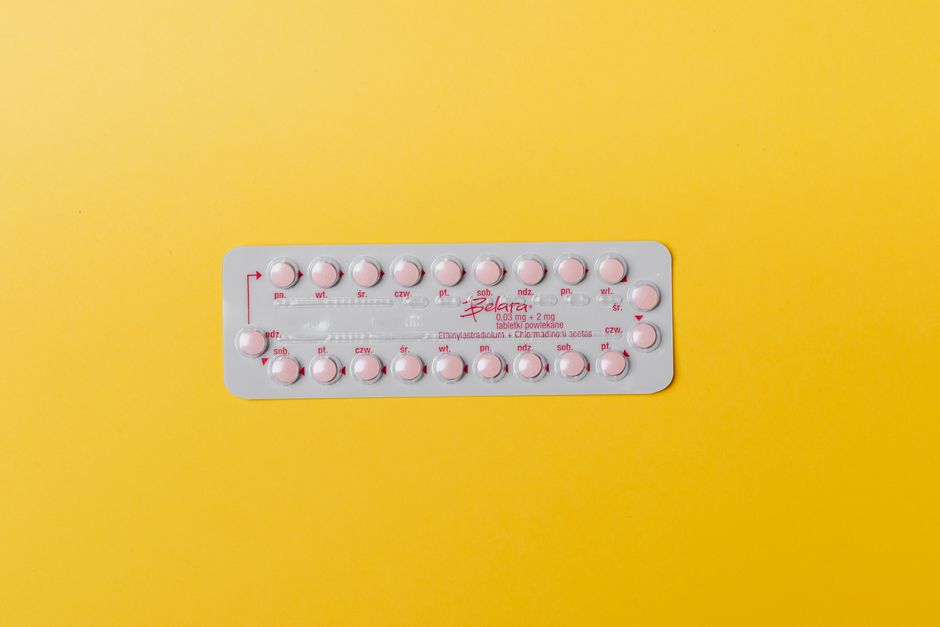
No, Nexplanon does not contain estrogen. It is a single-rod implant that releases only a progestin called etonogestrel. That one fact explains most of what makes Nexplanon different from combined birth control pills, patches, and rings.
Nexplanon is placed under the skin of the upper arm and prevents pregnancy for up to three years. Because it has no estrogen, it can be an option for people who cannot use estrogen-containing methods. It also means the side effect profile looks different from combined hormonal birth control.
What Is Actually Inside Nexplanon?
Nexplanon contains 68 milligrams of etonogestrel and no estrogen. The implant is a flexible rod about the size of a matchstick. It releases a small, steady amount of etonogestrel into the bloodstream over time.
Etonogestrel is a progestin. It is not the same molecule as progesterone, the hormone your body makes naturally, but it acts on the same receptors. Progestins are a broad family of synthetic compounds that mimic progesterone in different ways. Etonogestrel is the active form of a related drug called desogestrel, which is also used in some birth control pills.
This matters because the word “progestin” covers many different drugs. The progestin in Nexplanon is not interchangeable with the progestin in a hormonal IUD or a mini-pill. Each has its own dose, release pattern, and side effect profile.
Does Nexplanon Have Estrogen?
Nexplanon has no estrogen at any point. There is no estrogen in the rod, and the body does not convert etonogestrel into estrogen. This is a common point of confusion, so it is worth stating plainly.
Combined hormonal methods — most pills, the patch, and the vaginal ring — contain both an estrogen and a progestin. Nexplanon belongs to a separate category called progestin-only contraception. So do the hormonal IUD, the mini-pill, and the shot.
People sometimes assume all hormonal birth control works the same way. It does not. The presence or absence of estrogen changes what the method does in the body and who can safely use it.
How Does Nexplanon Prevent Pregnancy Without Estrogen?
Nexplanon prevents pregnancy mainly by stopping the release of an egg from the ovary. Without a monthly egg release, fertilization cannot happen. Etonogestrel suppresses the signals from the brain that trigger ovulation.
It also thickens the mucus at the cervix, which makes it harder for sperm to travel. These two effects together are the core of how it works.
Estrogen is not required for any of this. In combined pills, estrogen is included mainly to stabilize the lining of the uterus and reduce breakthrough bleeding, not because it is needed to block ovulation. Progestin alone is enough to prevent ovulation. That is why progestin-only methods can work without any estrogen at all.
One clarification that surprises people: Nexplanon does not reliably stop ovulation in every cycle the way some people assume. The main mechanism is ovulation suppression, but the cervical mucus effect adds a backup layer. This is part of why the method is so effective in practice.





Why Does the Estrogen-Free Design Matter?
Estrogen-containing birth control is not safe for everyone. Estrogen raises the risk of blood clots, and that risk is higher in certain groups. People with a history of blood clots, certain migraine patterns, uncontrolled high blood pressure, or who smoke and are over 35 often cannot use combined methods.
Because Nexplanon has no estrogen, it avoids the estrogen-related clot risk. This is one reason clinicians may recommend it for people who cannot take combined pills. The American College of Obstetricians and Gynecologists considers progestin-only implants among the most effective reversible options and suitable for most people, including many with conditions that rule out estrogen.
That does not mean Nexplanon is risk-free. Every medication has side effects and cautions. The point is that it sidesteps one specific category of risk that comes with estrogen.
What Side Effects Come With an Estrogen-Free Implant?
The most common side effect is a change in bleeding patterns. This is the side effect people notice most, and it is the most frequent reason people ask to have the implant removed. Bleeding can become lighter, heavier, more frequent, less frequent, or stop entirely. There is no way to predict which pattern a given person will get.
Irregular bleeding is not dangerous on its own, but it can be inconvenient and frustrating. Some people have no bleeding at all. Others have frequent spotting. The unpredictability is real and worth knowing before you choose the method.
Other side effects that have been reported include:
- Headaches
- Acne
- Breast tenderness
- Mood changes
- Nausea
- Weight change
These are commonly reported, but the evidence on how strongly Nexplanon causes some of them — particularly mood changes and weight gain — is mixed. Some studies suggest a link; others do not find a clear one. It is fair to say these effects are reported by some users without claiming they are guaranteed or fully explained.
Because there is no estrogen, Nexplanon does not carry the estrogen-related side effects like the nausea and breast tenderness that are often tied to the estrogen component in combined pills. It has its own profile instead.
How Does Nexplanon Compare to Other Progestin-Only Methods?
Several birth control methods use only a progestin. They differ in how the hormone is delivered, how long they last, and what the bleeding patterns tend to look like.
| Method | Hormone | Estrogen? | Typical duration |
|---|---|---|---|
| Nexplanon implant | Etonogestrel | No | Up to 3 years |
| Hormonal IUD | Levonorgestrel | No | 3 to 8 years, depending on the device |
| Mini-pill | Norethindrone or other progestin | No | Daily pill |
| Birth control shot | Medroxyprogesterone acetate | No | Every 3 months |
| Combined pill, patch, ring | Estrogen plus progestin | Yes | Varies |
These methods are not interchangeable. The implant and the hormonal IUD are both highly effective and long-acting, but they use different progestins and tend to produce different bleeding patterns. The hormonal IUD is often associated with lighter bleeding over time, while the implant is more unpredictable. Neither is “better” in a universal sense — the right choice depends on your body, your preferences, and your medical history.
Who Might Choose an Estrogen-Free Method?
Nexplanon can be a reasonable option for people who want long-acting contraception without estrogen. That includes people who have had problems with combined methods, people who cannot use estrogen for medical reasons, and people who simply want a method they do not have to think about daily.
It is also an option for people who want a reversible method that does not require a procedure in the uterus. The implant is placed in the arm, which some people prefer.
It is not the right fit for everyone. People who want predictable, regular periods may find the bleeding changes hard to accept. People who want to avoid any hormonal method altogether would look at non-hormonal options instead.
This is a decision to make with a clinician who knows your history. The information here is general and does not replace a conversation about your specific situation.
Common Misconceptions About Nexplanon and Estrogen
One misconception is that all hormonal birth control contains estrogen. It does not. Progestin-only methods are a large and widely used category.
Another is that an estrogen-free method must be less effective. That is not true. The implant is one of the most effective reversible methods available, and its effectiveness does not depend on estrogen.
A third is that “hormonal” always means the same thing. Different hormones act differently, and the specific progestin in a method matters. Etonogestrel is not the same as levonorgestrel or medroxyprogesterone acetate, even though all are progestins.
A fourth is that removing estrogen removes all side effects. It does not. Nexplanon has its own side effects, and bleeding changes are the most common one.
Frequently Asked Questions
Does Nexplanon have estrogen in it?
No, Nexplanon contains no estrogen. It releases only the progestin etonogestrel.
Is Nexplanon a combined hormonal method?
No, it is a progestin-only method. Combined methods contain both an estrogen and a progestin.
Can you use Nexplanon if you cannot take estrogen?
It is often considered an option for people who cannot use estrogen-containing birth control. A clinician should confirm whether it fits your specific medical history.
Does Nexplanon stop your period?
It may stop bleeding in some people, but bleeding patterns vary widely. Some people have no bleeding, while others have irregular or frequent bleeding.
