
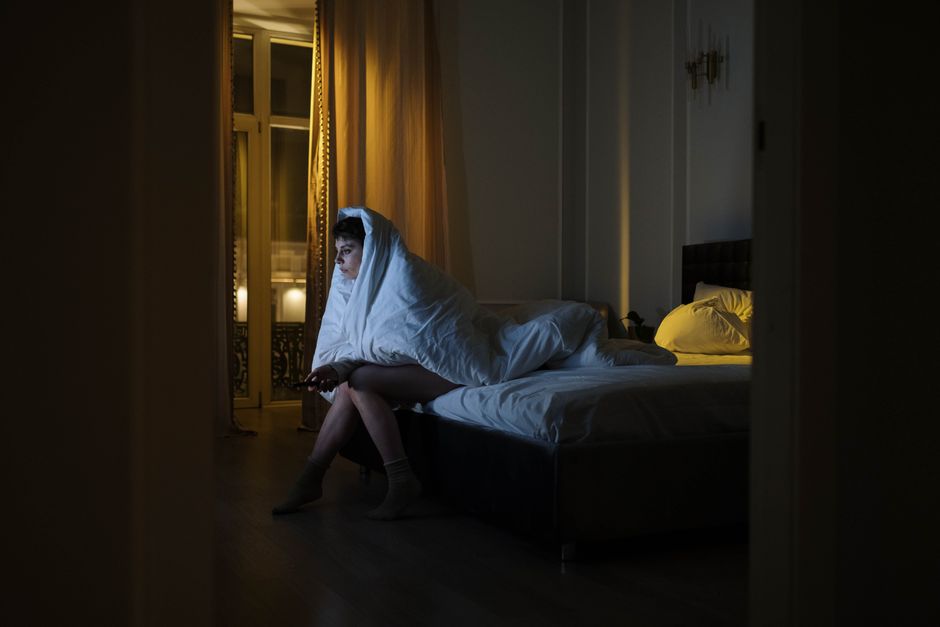
Mucinex is a common over-the-counter medication for chest congestion. Many people wonder if it can keep them awake at night. The short answer is that standard Mucinex (guaifenesin) does not contain stimulants and is not known to cause insomnia. However, some versions of Mucinex include a decongestant called pseudoephedrine or phenylephrine, which can definitely interfere with sleep.
Does Mucinex Keep You Awake at Night?
Standard Mucinex products that only contain guaifenesin do not cause wakefulness. Guaifenesin works by thinning mucus in your airways. It has no effect on your central nervous system. The CDC and the FDA classify guaifenesin as a safe expectorant with no known stimulating properties.
The problem comes from combination products. Mucinex D contains pseudoephedrine. Mucinex DM contains dextromethorphan, a cough suppressant. While dextromethorphan is not a stimulant, pseudoephedrine is. Pseudoephedrine constricts blood vessels in your nasal passages. It also activates your sympathetic nervous system, which can raise your heart rate and blood pressure. Research published in the Journal of Clinical Pharmacology found that pseudoephedrine causes measurable increases in wakefulness and difficulty falling asleep in about 15 to 20 percent of users.
If you are taking Mucinex D and having trouble sleeping, the decongestant is the likely cause. Check the active ingredients on your box before assuming the medication is keeping you up.
What Research Says About Mucinex and Sleep Disruption
There is no direct clinical study examining whether Mucinex causes insomnia. That is because guaifenesin alone does not cross the blood-brain barrier in meaningful amounts. It stays in your respiratory tract. The FDA’s review of guaifenesin notes no central nervous system effects at standard doses.
However, pseudoephedrine has been studied extensively. A 2019 review in the journal Drug Safety analyzed data from over 4,000 patients taking pseudoephedrine. The review found that 18 percent of participants reported insomnia as a side effect. That is a significant number. For comparison, placebo groups in those same studies reported insomnia only 4 percent of the time.
Phenylephrine is another decongestant found in some Mucinex products. It is less potent than pseudoephedrine. Some studies suggest it causes less sleep disruption, but evidence is mixed. The FDA has questioned whether oral phenylephrine works at all for nasal congestion. If you are taking it, you may be getting a side effect without much benefit.
Which Mucinex Products Are Most Likely to Cause Sleeplessness?
Not all Mucinex products are the same. The table below shows which versions contain stimulants and which do not.
| Product Name | Active Ingredients | Known to Cause Insomnia? |
|---|---|---|
| Mucinex (plain) | Guaifenesin only | No |
| Mucinex DM | Guaifenesin + Dextromethorphan | No |
| Mucinex D | Guaifenesin + Pseudoephedrine | Yes, in some people |
| Mucinex Sinus-Max | Guaifenesin + Phenylephrine + Acetaminophen | Possible, but less common |
| Mucinex Fast-Max | Various combinations | Depends on formula |
If you are sensitive to stimulants, avoid Mucinex D entirely. Also check nighttime formulas. Mucinex Nightshift contains diphenhydramine, which is an antihistamine that causes drowsiness. That product will not keep you awake. It is designed to help you sleep.




How to Take Mucinex Without Affecting Your Sleep
If you need a decongestant but want to protect your sleep, timing matters. Take any product containing pseudoephedrine early in the day. The drug stays active in your system for about four to six hours. Taking it after 2 p.m. increases the chance it will interfere with your bedtime.
Choose the right product for your symptoms. If you only have chest congestion and a cough, plain Mucinex or Mucinex DM is fine. You do not need a decongestant unless your nose is blocked. Many people buy combination products when they only need one ingredient. That adds unnecessary stimulants to your system.
Some people report that guaifenesin alone makes them feel slightly more alert. This is not backed by clinical evidence. It may be a placebo effect or the result of breathing easier after mucus clears. If you notice this, take your last dose at least three hours before bed.
Avoid taking Mucinex with caffeine or other stimulants. Coffee, tea, energy drinks, and some sodas can compound the effects of pseudoephedrine. The combination can make it much harder to fall asleep. A study in the journal Sleep found that caffeine plus pseudoephedrine increased sleep latency by an average of 22 minutes compared to either substance alone.
Common Misconceptions About Mucinex and Sleep
One widespread myth is that Mucinex DM keeps you awake because it contains dextromethorphan. This is false. Dextromethorphan is a cough suppressant that works on the brain’s cough center. It does not stimulate the nervous system. Some people feel drowsy from it. No credible evidence shows it causes insomnia.
Another misconception is that all Mucinex products are the same. People often grab any box with the Mucinex brand name. They do not check the active ingredients. This leads to taking a stimulant when they did not need one. Always read the label. The word “D” or “Decongestant” on the front means a stimulant is inside.
Some people also believe that taking Mucinex at night will help them breathe better and sleep more soundly. That is true for plain guaifenesin. But if you accidentally take a product with pseudoephedrine at night, you will likely have the opposite result. The improved breathing comes at the cost of a restless night.
There is no evidence that Mucinex causes long-term sleep problems. Any sleep disruption stops once the drug leaves your system. If you have insomnia that persists after stopping Mucinex, the cause is probably something else.
What to Do If Mucinex Already Kept You Awake
If you took Mucinex D and cannot sleep, stop taking it immediately if you can manage your symptoms without it. The drug will clear your system within a few hours. Drink water to help your body process the medication faster. Avoid taking any other stimulants like caffeine or nicotine.
If you still need congestion relief, switch to a plain guaifenesin product or a saline nasal spray. Saline sprays have no stimulants and no side effects. They work by flushing out nasal passages. They are safe to use as often as needed.
For the current night, try standard sleep hygiene. Keep your room dark and cool. Avoid screens for at least 30 minutes before bed. If you are still awake after 20 minutes, get up and read a book in low light. Do not lie in bed frustrated. That makes it harder to fall asleep.
If you have a history of insomnia or anxiety, talk to your doctor before taking any decongestant. Some people are more sensitive to stimulants. Your doctor can recommend a different medication that will not affect your sleep. Options include nasal corticosteroid sprays like fluticasone or antihistamines that do not cross the blood-brain barrier.
Frequently Asked Questions
Can Mucinex make you hyper or jittery?
Plain Mucinex does not cause hyperactivity or jitters. Only Mucinex products containing pseudoephedrine can cause these effects in some people.
Is it safe to take Mucinex every night?
Standard Mucinex is safe for nightly use during a cold or infection. Do not take it continuously for more than seven days without a doctor’s approval.
Does Mucinex DM cause drowsiness or alertness?
Mucinex DM is not known to cause either drowsiness or alertness. Some people report feeling slightly sleepy from the dextromethorphan, but this is not consistent.
Can I take Mucinex with melatonin for sleep?
There is no known interaction between guaifenesin and melatonin. If you take Mucinex D with pseudoephedrine, melatonin may not help you fall asleep because the stimulant overrides it.
