
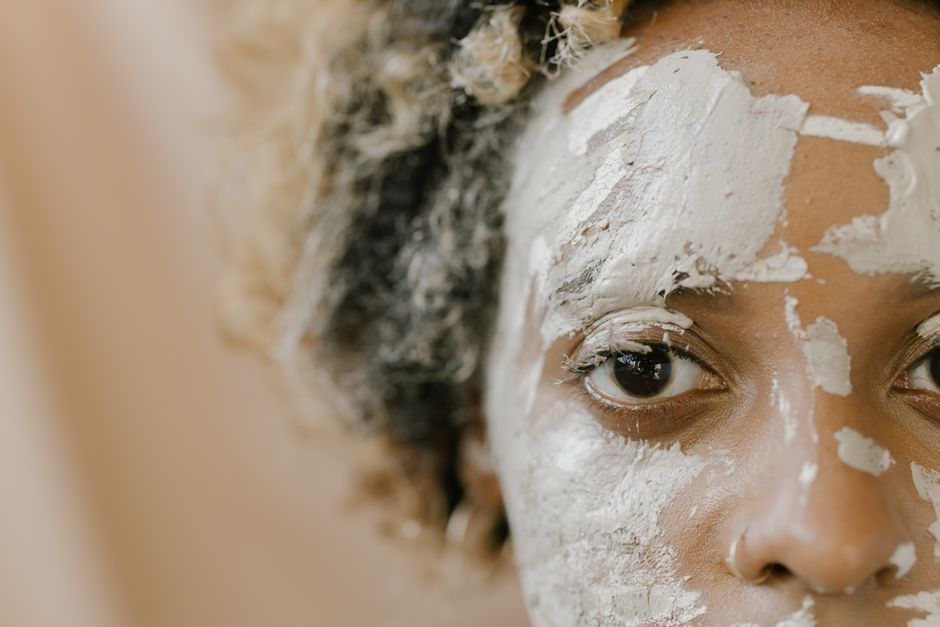
Moringa oil is non-comedogenic, meaning it is unlikely to clog pores. It has a low comedogenic rating and is generally considered safe for acne-prone skin when used correctly. That said, not all oils behave the same for every person, and how you use moringa oil matters as much as the oil itself.
What Does Non-Comedogenic Actually Mean?
A comedogenic rating tells you how likely an ingredient is to block pores. The scale runs from 0 to 5. Zero means it should not clog pores at all. Five means it almost certainly will. Moringa oil typically sits at a rating of 0 to 1 on this scale.
That low rating is why dermatologists and cosmetic chemists generally classify moringa oil as safe for acne-prone skin. It is a lightweight oil that absorbs quickly. It does not leave a heavy film on the skin the way coconut oil or cocoa butter can.
But a low comedogenic rating does not guarantee zero breakouts. Some people react to specific oils regardless of the rating. Skin is individual. What works for one person with acne may not work for another.
Does Moringa Oil Clog Pores For Acne Prone Skin?
Moringa oil is unlikely to clog pores for most people with acne-prone skin. Its comedogenic rating of 0 to 1 places it among the safer carrier oils for facial use. Unlike heavier oils that sit on the surface, moringa oil absorbs into the skin quickly. That quick absorption reduces the chance of pore blockage.
The fatty acid profile of moringa oil also matters. It is rich in oleic acid, which is a monounsaturated fat. Oleic acid helps the oil penetrate the skin barrier rather than pooling on top. Some research has suggested that oils high in linoleic acid are better for acne-prone skin because acne sufferers often have lower linoleic acid levels in their sebum. Moringa oil contains both oleic and linoleic acid, though oleic acid dominates.
This does not mean moringa oil is a treatment for acne. It is not. It is a moisturizer and carrier oil that is unlikely to make acne worse when used properly.
How Moringa Oil Interacts With Acne-Prone Skin
Acne-prone skin needs moisture just like any other skin type. Many people with acne skip moisturizer because they fear it will cause breakouts. That logic can backfire. When skin is stripped of moisture, it can produce more sebum to compensate. More sebum means more opportunity for pores to clog.
Moringa oil can help break that cycle. It provides lightweight hydration without the heavy, greasy feel of thicker oils. It also contains compounds with mild antibacterial properties. Some laboratory studies have shown that moringa extracts inhibit the growth of certain bacteria, including strains linked to acne. But laboratory activity does not automatically translate to clinical results on human skin. No large human trials have confirmed that moringa oil clears acne.
What the evidence does support is the safety profile. Moringa oil is well tolerated by most skin types. It is rarely irritating. That makes it a reasonable option for people who need moisture but worry about pore blockage.


Comparing Moringa Oil to Other Common Oils
To understand where moringa oil fits, it helps to compare it with other oils people use on their faces. The comedogenic ratings below are based on standard cosmetic ingredient classifications.
| Oil | Comedogenic Rating | Skin Feel |
|---|---|---|
| Moringa oil | 0-1 | Light, fast absorbing |
| Argan oil | 0-1 | Light to medium |
| Jojoba oil | 2 | Light, wax-like |
| Rosehip oil | 1-2 | Light, dry feel |
| Coconut oil | 4 | Heavy, greasy |
| Olive oil | 2-3 | Medium to heavy |
Coconut oil is the most common culprit for acne flare-ups. Its rating of 4 means it is highly likely to clog pores. Moringa oil sits at the opposite end of the spectrum. If you have used coconut oil and broken out, that reaction does not predict how your skin will respond to moringa oil.
How To Use Moringa Oil Without Causing Breakouts
How you apply moringa oil can determine whether it helps or hurts your skin. Start with a clean face. Apply the oil to damp skin. Damp skin absorbs oil more easily than dry skin, which means less product sits on the surface.
Use a small amount. Two to three drops is enough for the entire face. Press the oil into the skin rather than rubbing it in aggressively. Rubbing can irritate the skin and trigger inflammation.
Consider using moringa oil at night. This gives the oil time to absorb fully while you sleep. In the morning, wash your face normally and follow with your regular routine.
Patch test before full application. Apply a small amount to the inside of your forearm or behind your ear. Wait 24 to 48 hours. If no redness, itching, or breakouts appear, the oil is likely safe for your face.
If you use prescription acne treatments like tretinoin or benzoyl peroxide, talk to your dermatologist before adding any oil to your routine. Some acne medications change how the skin barrier functions. Adding new products while your skin is adjusting can cause irritation.
Which Skin Types Benefit Most From Moringa Oil
Moringa oil works best for people with dry or combination skin that also gets occasional breakouts. These skin types need moisture but cannot tolerate heavy occlusive oils. Moringa oil delivers hydration without suffocating the skin.
People with very oily skin may find moringa oil unnecessary. If your skin already produces plenty of sebum, adding any oil can tip the balance toward congestion. That does not mean moringa oil will clog your pores. It means your skin may not need the extra moisture.
People with active, inflamed acne should be cautious. When the skin barrier is compromised by active breakouts, introducing new products can worsen irritation. It is better to treat active acne with proven methods first and add moisturizing oils once the skin calms down.
What The Research Actually Shows
Research on moringa oil for acne specifically is limited. Most studies have focused on moringa extracts, leaf powder, or seed oil in laboratory settings. These studies have shown antibacterial and anti-inflammatory activity. Some research suggests moringa seed oil has properties that could benefit skin health.
But there is a difference between laboratory findings and clinical results. No large human trials have tested whether moringa oil reduces acne lesions. No dermatological guideline recommends moringa oil as an acne treatment. The evidence for its safety is stronger than the evidence for its effectiveness.
This distinction matters. Moringa oil is a reasonable moisturizer for many people. It is not a proven acne treatment. If you are looking for something to clear active breakouts, moringa oil is not the answer. If you are looking for a lightweight oil that will not clog your pores, it is a solid choice.
Signs Moringa Oil Is Not Working For You
Even with a low comedogenic rating, moringa oil can cause problems for some individuals. Watch for these signs within the first two weeks of use:
- New whiteheads or blackheads appearing in areas where you applied the oil
- Increased redness or irritation
- A feeling of heaviness or film on the skin that does not absorb
- Small bumps that appear within days of starting use
If you notice any of these signs, stop using the oil and return to your previous routine. Give your skin two to three weeks to reset before trying any new product. Some breakouts are not caused by the oil itself but by how it interacts with other products in your routine.
Moringa Oil vs. Moringa Leaf Extract In Skincare
There is an important distinction between moringa oil and moringa leaf extract. Moringa oil is pressed from the seeds. It is a carrier oil used for moisture. Moringa leaf extract is made from the leaves and is used in serums and creams for its antioxidant content.
Many skincare products claim to contain moringa. Check the ingredient list. If moringa oil is listed near the top, the product has a meaningful amount. If moringa leaf extract appears near the bottom, the amount is likely cosmetic. The extract may provide antioxidant benefits, but it will not moisturize the way the oil does.
Products that combine moringa oil with other ingredients may have a different comedogenic profile. An oil blend is only as safe as its most pore-clogging ingredient. Read the full ingredient list, not just the marketing claims.
Final Takeaway On Moringa Oil For Acne-Prone Skin
Moringa oil is a low-risk option for people with acne-prone skin who need moisture. Its comedogenic rating of 0 to 1 means it is unlikely to clog pores for most users. It absorbs quickly, feels light on the skin, and is well tolerated by most skin types.
It is not an acne treatment. No clinical evidence confirms that moringa oil clears breakouts. If you have active acne, focus on proven treatments like benzoyl peroxide, salicylic acid, or prescription options. Use moringa oil as a moisturizer, not a cure.
Patch test first. Start with a small amount. Watch how your skin responds. If no new breakouts appear within two weeks, moringa oil is probably safe for your routine.
Frequently Asked Questions
Is moringa oil safe for oily acne-prone skin?
Moringa oil is generally safe for oily skin because it absorbs quickly and has a low comedogenic rating. However, very oily skin may not need additional oil, so monitor how your skin responds.
Can moringa oil be used as a moisturizer for acne?
Yes, moringa oil can serve as a lightweight moisturizer for acne-prone skin. It hydrates without the heavy feel of pore-clogging oils, but it does not treat active acne.
How long does it take to know if moringa oil clogs my pores?
Most people notice new breakouts within one to two weeks of using a new product. If no new whiteheads or blackheads appear after two weeks of consistent use, the oil is likely safe for your skin.
Is moringa oil better than coconut oil for acne-prone skin?
Moringa oil is significantly less likely to clog pores than coconut oil. Coconut oil has a comedogenic rating of 4, while moringa oil rates 0 to 1, making moringa the safer choice for acne-prone skin.
