
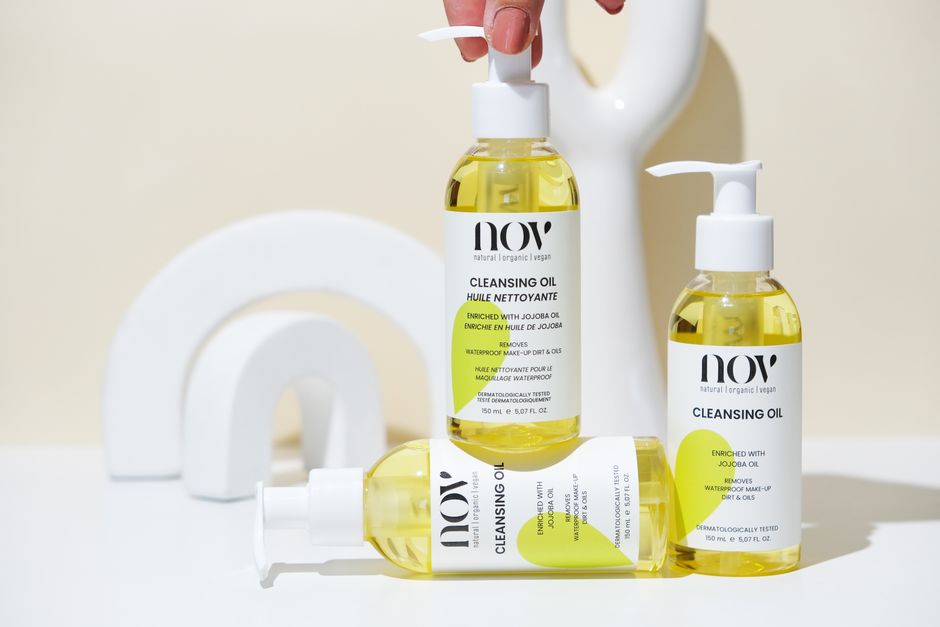
For many people with rosacea, finding a moisturizer that does not sting, burn, or trigger a flare-up feels like a never-ending search. Jojoba oil is often recommended as a gentle, plant-based option, and for a large number of users, it is a good choice. It is technically a liquid wax, not an oil, and its structure closely mimics the skin’s own sebum. This allows it to moisturize without clogging pores or disrupting the skin barrier, making it one of the safer oils to test if you have sensitive, redness-prone skin. However, because rosacea skin is highly reactive, no single product works for everyone, and you should always patch test before applying it to your face.
What Makes Jojoba Oil Different From Other Oils?
Jojoba oil comes from the seeds of the jojoba plant, a shrub native to the southwestern United States and Mexico. Chemically, it is not a triglyceride oil like olive or coconut oil. It is a wax ester, which is the same class of molecules that makes up a significant portion of human sebum, the skin’s natural oil.
This similarity matters for rosacea-prone skin. Because the skin recognizes jojoba’s structure, it absorbs quickly and does not sit on the surface feeling greasy. It also does not feed the yeast that lives on everyone’s skin, which is a problem with some other plant oils. For those with rosacea, the primary benefit is that jojoba is non-comedogenic, meaning it is unlikely to block pores, and it is generally well-tolerated with a low risk of irritation.
How Jojoba Oil Interacts With a Compromised Skin Barrier
Rosacea involves chronic inflammation and a disrupted skin barrier. When the barrier is weak, water escapes and irritants get in. This triggers more inflammation, creating a cycle of redness and sensitivity.
Jojoba oil can help interrupt this cycle. It forms a semi-occlusive layer that slows water loss without completely sealing the skin. This helps keep the stratum corneum, the outermost layer, hydrated. A better-hydrated barrier is more resilient and less reactive to triggers like wind, cold air, or harsh cleansers. Some research also suggests that applying oils with a fatty acid profile similar to skin lipids can support barrier repair, though specific clinical trials on jojoba for rosacea are limited.
It is important to manage expectations. Jojoba oil is a moisturizer and barrier support agent. It is not a treatment for the inflammatory bumps or pustules of rosacea. It will not reduce the flushing response or cure the condition. Its role is supportive, helping to keep the skin calm enough to tolerate other treatments.
Is Jojoba Oil Comedogenic or Pore-Clogging?
One of the most common concerns with any oil is whether it will cause breakouts. Jojoba oil has a comedogenic rating of 2 on a scale of 0 to 5, meaning it has a low to moderate chance of clogging pores. However, this rating is based on older rabbit ear tests and does not always translate directly to human skin.
In practice, jojoba is considered one of the least pore-clogging oils available. Because it is a liquid wax, it does not penetrate the follicle in the same way that heavier oils do. Many dermatologists recommend it for patients who have both rosacea and acne, a combination that makes choosing skincare products very difficult. If you have a history of breakouts with other oils, jojoba is still worth trying, but you should apply it sparingly and watch for any new bumps over a two-week period.
How to Use Jojoba Oil Safely on Rosacea Skin
Introducing any new product to rosacea-prone skin requires caution. The skin is often hyper-reactive, and even gentle ingredients can trigger a flare.
Start with a patch test. Apply a small amount of jojoba oil to a discreet area, such as the side of your neck or behind your ear. Wait 24 to 48 hours. If you see redness, swelling, or itching, do not use it on your face. If there is no reaction, you can try it on a small area of your cheek for a few days before applying it to your whole face.
When you do use it, apply it to damp skin. This locks in hydration rather than just sitting on the surface. Use two to three drops for your entire face. More is not better. Excess oil can trap heat and debris, which may irritate sensitive skin.
Choose the right product. Look for 100% pure jojoba oil with no added fragrance, essential oils, or preservatives. Fragrance is a common trigger for rosacea flares. Cold-pressed, unrefined jojoba oil retains more of its natural vitamin E content, which has antioxidant properties, but refined versions are generally equally tolerated.
When Jojoba Oil Might Not Be Right for You
No ingredient is universally safe. Some people with rosacea report that jojoba oil makes their skin feel tight or slightly irritated. This is uncommon but possible. Individual skin microbiomes and allergen sensitivities vary widely.
If you have a known allergy to nuts, jojoba is not a nut and is generally safe, but it is always wise to check with an allergist if you have severe food allergies. Pregnant or breastfeeding women can use jojoba oil topically, as it is not absorbed into the bloodstream in significant amounts. However, no clinical guidelines exist for its use during pregnancy beyond general skincare safety, so it is reasonable to proceed with the same patch test protocol.
If you are using prescription rosacea treatments like metronidazole, azelaic acid, or ivermectin, jojoba oil can be applied after these medications have dried. It will not deactivate them. In fact, some patients find that a gentle moisturizer like jojoba reduces the irritation caused by these prescription creams.
What the Evidence Actually Shows
Research on jojoba oil and rosacea specifically is sparse. No large human trials have confirmed that jojoba oil reduces rosacea symptoms. What exists is broader research on skin barrier function, moisturizers, and the tolerability of jojoba in sensitive skin populations.
Some studies indicate that jojoba oil has anti-inflammatory properties in laboratory settings. Others have looked at its use in wound healing and dermatitis. These findings are promising but do not prove that jojoba will calm a rosacea flare in a clinical setting. The evidence base is mechanistic and preliminary.
What is better established is that jojoba oil is a gentle, well-tolerated moisturizer for most people. Dermatologists frequently recommend it as a first-line oil for sensitive skin because its structure mimics sebum and it has a low irritation profile. This clinical experience, combined with basic science, supports its use as a supportive skincare ingredient, not as a medical treatment.
Comparing Jojoba Oil to Other Oils for Rosacea
If you are considering jojoba, it helps to know how it compares to other popular oils.
- Squalane: Another lightweight, non-comedogenic option. Squalane is derived from olives or sugarcane and is also well-tolerated. Some prefer it because it is even lighter than jojoba.
- Rosehip seed oil: Contains essential fatty acids and vitamin A derivatives. It is more likely to cause irritation in very reactive skin and has a shorter shelf life.
- Coconut oil: Highly comedogenic and can worsen breakouts. It is generally not recommended for rosacea-prone skin because it can trap heat and block pores.
- Argan oil: A good alternative but slightly heavier than jojoba. It is well-tolerated but may feel too rich for those with oily skin.
Jojoba sits in a middle ground. It is light enough for daytime use but substantial enough to serve as a night moisturizer for most skin types. If you have very dry rosacea skin, you may need to layer jojoba under a heavier cream. If you have oily skin, jojoba alone may be sufficient.
Practical Tips for Building a Rosacea-Friendly Routine
Adding jojoba oil is only one piece of the puzzle. Rosacea management relies on a gentle routine overall.
Use a mild, fragrance-free cleanser. Wash with lukewarm water, not hot. Hot water dilates blood vessels and can trigger flushing. Pat your skin dry with a soft towel. Never rub.
Apply your prescription treatment first if you use one. Wait ten minutes. Then apply jojoba oil or your moisturizer. In the morning, always follow with a mineral sunscreen with an SPF of 30 or higher. Sun exposure is one of the most common rosacea triggers, and zinc oxide or titanium dioxide sunscreens are less likely to irritate than chemical filters.
Keep a trigger diary. Track your foods, weather conditions, and skincare products. Rosacea triggers are highly individual. What flares one person may be fine for another. Jojoba oil may be a safe base for you, but your overall routine determines your results.
Frequently Asked Questions
Can jojoba oil make rosacea worse?
It can for some people, though it is uncommon. If you experience increased redness, stinging, or bumps after using it, stop immediately and return to your previous routine.
How long does it take to see results from jojoba oil?
Jojoba oil is not a treatment, so you should not expect dramatic changes. You may notice improved softness and less tightness within a few days of regular use.
Should I use jojoba oil before or after my rosacea medication?
Apply your prescription medication first, wait for it to dry, and then apply jojoba oil on top. This prevents the oil from diluting the medication.
Is jojoba oil safe to use every day on rosacea-prone skin?
Yes, daily use is generally safe for most people. Start with once daily and increase to twice daily only if your skin tolerates it without irritation.
