
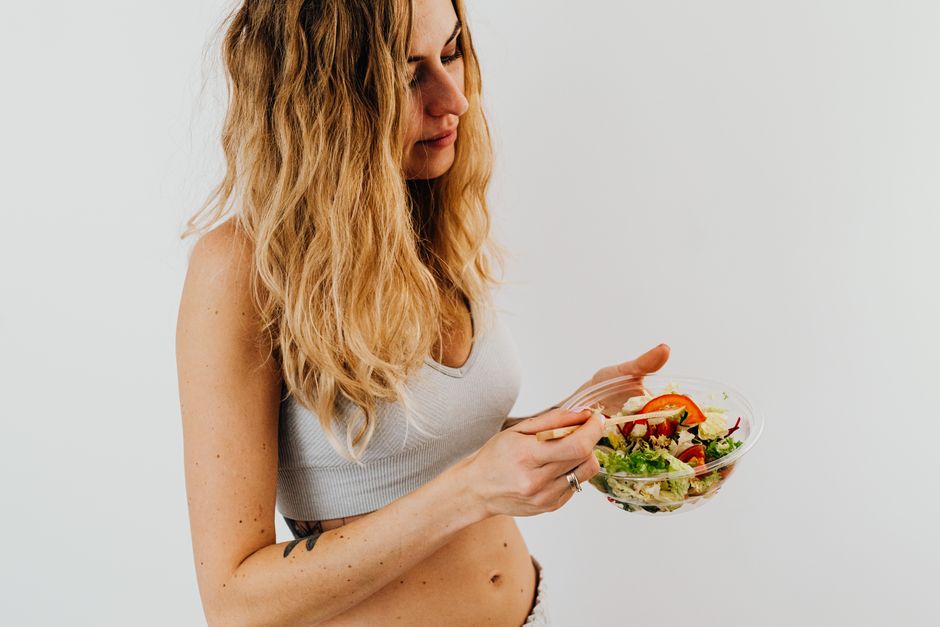
No single food causes hair loss in a healthy person eating a varied diet. Hair loss linked to diet almost always comes from a deficiency — not enough iron, protein, zinc, or certain vitamins over time — or from a medical condition that diet alone cannot fix. The honest answer is that food can contribute to hair shedding, but it is rarely the whole story, and regrowth depends on correcting the actual cause.
Hair is one of the first things the body cuts back on when resources run low. That is why nutrition matters. But it is also why blaming a specific food, or expecting a specific food to fix thinning hair, usually misses what is really happening.
Does the Food You Eat Actually Cause Hair Loss?
Food does not directly “cause” hair loss the way a poison does. What it can do is fail to supply what hair follicles need, or supply too much of something that interferes with nutrient absorption.
Hair follicles are among the most metabolically active structures in the body. They divide rapidly and need a steady supply of energy, protein, and micronutrients. When the body faces a shortage, it prioritizes organs like the heart and brain. Hair growth is not essential for survival, so it gets deprioritized.
This is why nutritional hair loss usually appears gradually. A single bad meal changes nothing. Weeks or months of inadequate intake can show up as increased shedding or slower regrowth.
It is also important to separate two situations. One is a genuine deficiency that diet can correct. The other is hair loss driven by genetics, hormones, autoimmune conditions, or medications — where food is not the cause and changing your diet will not reverse it.
Which Nutritional Deficiencies Are Linked to Hair Loss?
Several deficiencies are consistently associated with hair shedding. The strongest links are with iron, protein, and zinc.
Iron. Iron deficiency — with or without anemia — is one of the most common nutritional contributors to hair loss, particularly in women. Iron is needed for normal hair follicle function. Low ferritin (stored iron) has been associated with increased shedding in some studies, though the exact threshold at which hair is affected is still debated.
Protein. Hair is made mostly of protein. Severe protein deficiency, which is rare in the US, causes noticeable hair loss. Milder shortfalls are more common during crash dieting or very low-calorie eating.
Zinc. Zinc deficiency is linked to hair loss, and zinc is involved in hair follicle growth and repair. Deficiency is uncommon in people eating a mixed diet but can occur with certain gut conditions, heavy alcohol use, or restrictive diets.
Vitamin D. Low vitamin D has been observed in some people with hair loss conditions, but it is not clear whether low vitamin D causes the hair loss or is simply a marker seen alongside it. The evidence here is mixed.
B vitamins, especially biotin and B12. True biotin deficiency is rare and usually only occurs with specific metabolic disorders or long-term raw egg white consumption. B12 deficiency can contribute to hair changes, mainly in people who absorb B12 poorly or eat a strict vegan diet without supplementation.
A key point often missed: taking high doses of these nutrients when you are not deficient has not been shown to improve hair growth. More is not better.
What Foods Are Commonly Blamed for Hair Loss?
Certain foods and diets get blamed online. Some deserve a closer look. Most do not hold up.
- Sugar and refined carbohydrates. No study has shown that sugar directly causes hair loss. The concern is indirect: diets high in refined carbs can displace nutrient-dense foods, and poor blood sugar control may affect circulation over time.
- Fried and highly processed foods. These are not toxic to hair, but they tend to crowd out iron, protein, and zinc sources when they dominate the diet.
- Raw egg whites. This one is real. Raw egg whites contain a protein called avidin that binds biotin and blocks its absorption. Cooking deactivates avidin. Regular raw egg white consumption over time can contribute to biotin deficiency.
- Excess vitamin A. Very high intakes of preformed vitamin A — from supplements or certain animal sources — have been linked to hair loss. This is about excess, not normal dietary intake.
- Mercury-rich fish. High-mercury fish consumed frequently can lead to mercury exposure, which has been associated with hair loss. This applies to a small number of large predatory fish eaten often.
- Alcohol. Heavy drinking can impair absorption of several nutrients, including zinc and B vitamins, and is associated with poorer overall nutritional status.
Notice the pattern. The real risk is not one food. It is a pattern of eating that leaves gaps, or a specific excess that interferes with absorption.


How Do Crash Diets and Restrictive Eating Affect Hair?
Rapid weight loss is one of the most reliable triggers of temporary hair shedding. This is well documented.
When you drop calories sharply, the body senses an energy shortage. Hair follicles shift out of the growth phase and into a resting phase. Weeks later, that hair falls out. This type of shedding is called telogen effluvium, and it typically appears about two to three months after the trigger.
The same pattern can follow bariatric surgery, severe illness, major surgery, or significant psychological stress. The mechanism is similar: the body redirects resources away from non-essential functions.
Very low-carbohydrate and very low-protein diets can also contribute if they leave protein intake too low for too long. The problem is not the diet’s label. It is whether the diet supplies enough of what hair needs.
Importantly, this type of shedding is usually temporary. Once the trigger is removed and nutrition is restored, hair typically regrows over several months. But regrowth is slow — hair grows roughly half an inch per month — so patience is required.
How to Recover From Nutrition-Related Hair Loss
Recovery starts with identifying the actual cause. Diet is only one possibility, and treating the wrong cause wastes time.
The first step is a medical evaluation. A doctor can order blood tests for ferritin, complete blood count, thyroid function, vitamin D, zinc, and B12. This matters because hair loss has many causes, and guessing based on symptoms alone is unreliable.
If a deficiency is found, correcting it is the priority. That may mean dietary changes, supplements, or both, guided by a clinician. Iron supplementation in particular should not be self-prescribed at high doses — excess iron is harmful, and the dose depends on your levels and the cause of the deficiency.
General dietary steps that support hair health, based on established nutrition science:
- Eat enough protein. Good sources include eggs, poultry, fish, beans, lentils, and dairy.
- Include iron-rich foods such as lean red meat, spinach, lentils, and fortified cereals. Pair plant iron with vitamin C to improve absorption.
- Get zinc from meat, shellfish, beans, nuts, and whole grains.
- Avoid very low-calorie diets unless medically supervised.
- Limit heavy alcohol use.
- Cook eggs before eating them.
What will not help: taking a dozen supplements hoping one works, or expecting results in a few weeks. Hair growth cycles are slow. Even when the cause is corrected, visible improvement often takes several months.
When Is Hair Loss Not About Food at All?
Most hair loss is not nutritional. This is where many people go wrong — they change their diet when the real driver is something else entirely.
The most common cause of progressive hair thinning in both men and women is androgenetic alopecia, a genetic and hormonal condition. Diet does not cause it and diet will not reverse it. It has its own treatments, which are separate from nutrition.
Other common non-nutritional causes include:
- Thyroid disorders, both underactive and overactive
- Polycystic ovary syndrome (PCOS)
- Autoimmune conditions such as alopecia areata
- Medications, including some used for blood pressure, depression, and cancer
- Recent childbirth, major surgery, or severe illness
- Ringworm of the scalp, a fungal infection
Pattern matters. Hair loss that follows a specific shape, comes with scalp itching, scaling, or patches of smooth bald skin, or is accompanied by fatigue, weight changes, or other symptoms points toward a cause that diet will not fix.
If you are losing hair and cannot identify a clear nutritional or stressful trigger, a medical workup is the right next step — not another supplement.
Does Fixing Your Diet Reverse Hair Loss?
Correcting a genuine deficiency can allow hair to regrow, but it is not guaranteed and it is not fast.
If iron deficiency is the cause, restoring iron stores may gradually reduce shedding. If protein intake was too low, increasing it can help. If a crash diet triggered the shedding, returning to adequate eating usually allows recovery.
But several caveats matter. If the deficiency has been present a long time, recovery may be slow. If there is more than one cause — say, low iron plus a genetic component — fixing the iron will not reverse the genetic part. And if there was no deficiency to begin with, dietary changes are unlikely to make a difference.
The evidence does not support the idea that “hair foods” like biotin gummies or collagen powders regrow hair in people who are not deficient. Some studies suggest certain nutrients matter when levels are low. They do not show benefit when levels are normal.
Frequently Asked Questions
What foods cause hair loss the most?
No single food causes hair loss in a healthy person. The bigger risks are diets low in iron, protein, or zinc, and regular consumption of raw egg whites, which block biotin absorption.
Can eating too much sugar cause hair loss?
No study has shown that sugar directly causes hair loss. A high-sugar diet can contribute indirectly by crowding out nutrient-rich foods that hair needs.
How long does it take for hair to grow back after fixing a deficiency?
Hair grows about half an inch per month, so visible regrowth often takes several months after the cause is corrected. Full recovery can take longer depending on how long the deficiency lasted.
Should I take biotin for hair loss?
Biotin only helps if you are actually deficient, which is rare. In people with normal biotin levels, no clinical evidence shows that biotin supplements improve hair growth.
