
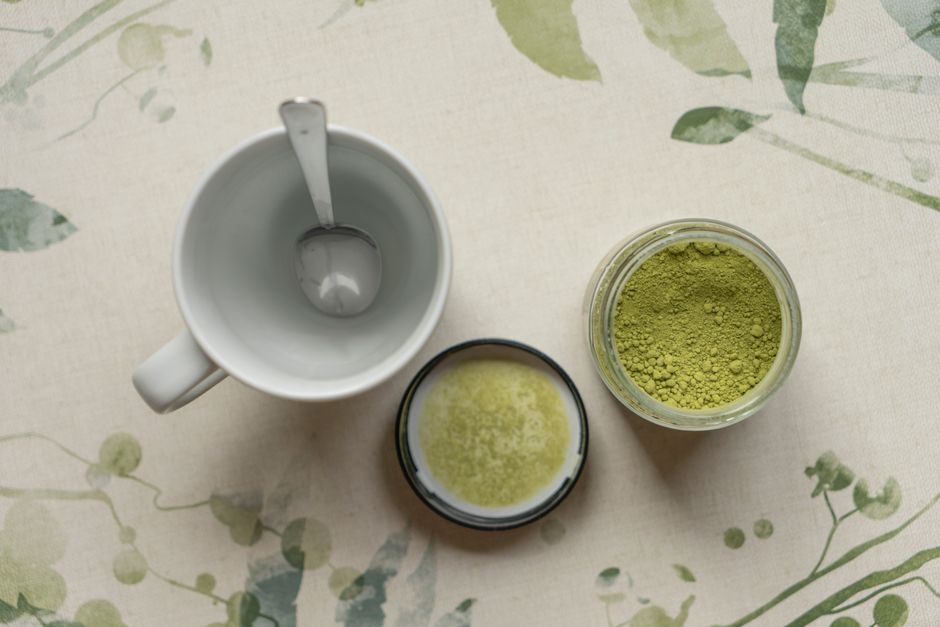
Matcha is not a weight loss supplement. It is green tea in concentrated powder form, and the evidence that it causes meaningful weight loss on its own is weak. Some studies suggest green tea catechins and caffeine can modestly increase calorie burning, but the effect is small, inconsistent across trials, and easily outweighed by diet and activity.
If you are drinking matcha hoping the scale will move, the honest answer is that it probably will not move much because of the matcha. Here is what the research actually shows, what it does not show, and where matcha fits in a realistic picture of weight management.
What Is Matcha and How Is It Different From Regular Green Tea?
Matcha is made by grinding shade-grown green tea leaves into a fine powder. You whisk the powder into water and drink the whole leaf. That is the key difference from steeped green tea, where you discard the leaves after brewing.
Because you consume the entire leaf, matcha delivers more of the leaf’s compounds per cup than a standard steeped tea. That includes caffeine, a group of plant compounds called catechins (most notably one called EGCG), and small amounts of fiber and chlorophyll. The concentrations vary widely by brand, harvest, and how the matcha is prepared, so a cup of matcha is not a standardized dose of anything.
One common misconception is that matcha is a distinct plant or a special “fat-burning” tea. It is the same species as other green teas, Camellia sinensis. The difference is processing and how you consume it, not the plant itself.
Does Matcha Help You Lose Weight?
No well-controlled human trial has shown that matcha, on its own, produces meaningful weight loss. The studies that exist mostly look at green tea or green tea extracts, not matcha specifically, and their results are mixed.
Some short-term studies suggest that green tea catechins combined with caffeine can slightly increase energy expenditure, the number of calories your body burns at rest. Other trials find no meaningful difference. When researchers pool these studies, the average effect on body weight tends to be small and inconsistent, and many trials are short, small, or funded by industry.
There is an important distinction here. A measurable bump in calorie burning in a lab setting is not the same as pounds lost over months in real life. The body tends to compensate for small increases in energy expenditure, and a few extra calories burned per day rarely translates into visible weight change.
So the accurate position is this: matcha may have a very small effect on metabolism, but the evidence that it drives weight loss is weak. Anyone claiming matcha is a “fat burner” is going beyond what the research supports.
How Might Matcha Affect Metabolism?
The proposed mechanism involves two compounds: caffeine and EGCG. Both appear to influence how the body uses energy, at least in the short term.
Caffeine is a stimulant. It can raise heart rate and slightly increase the rate at which the body burns calories for a period after you consume it. This is well established. The effect is real but small, and it fades as the body adapts to regular caffeine intake.
EGCG, the main catechin in green tea, has been studied for its possible role in fat oxidation, the process by which the body breaks down fat for energy. Some research suggests catechins may interact with enzymes involved in fat metabolism. But most of this work is in cells or animals, and translating those findings to humans has been difficult.
Where human trials do show an effect, it is usually small and short-lived. The combination of caffeine and catechins may nudge energy expenditure upward for a few hours, but the body’s metabolism is not easily changed by drinking tea. This is the part most marketing skips.





What Does the Research Actually Show?
The research on green tea and weight is best described as mixed. That is not a hedge. It reflects what the trials genuinely found.
- Some short-term studies report small increases in energy expenditure or fat oxidation after green tea consumption.
- Weight loss trials using green tea or green tea extract generally show small average effects, when they show any at all.
- Results vary widely between studies, and many are small or of limited quality.
- Matcha specifically has far less direct research than green tea or green tea extract.
One point worth being clear about: most of the weight-loss research uses green tea extract in capsules, not matcha powder. Matcha contains similar compounds, but it has not been studied nearly as much for weight outcomes. Assuming the extract findings apply directly to your morning matcha is a leap the evidence does not fully support.
It is also worth noting that even where effects appear, they are typically modest and not consistent enough to rely on. No credible body of research supports matcha as a standalone weight loss tool.
How Does Matcha Compare to Other Weight Loss Approaches?
Matcha is not in the same category as approaches with strong evidence behind them. It is more accurate to think of it as a low-calorie drink that may have a minor metabolic effect, not a weight loss method.
| Approach | Evidence for weight loss | Notes |
|---|---|---|
| Matcha or green tea | Weak and mixed | Small, inconsistent effects; mostly studied as extract |
| Calorie reduction | Strong | Consistent across many trials |
| Increased physical activity | Strong | Supports weight maintenance and loss |
| Sleep and stress management | Moderate | Influences appetite and eating behavior |
The comparison matters because it keeps matcha in perspective. If your goal is weight loss, the levers with real evidence are how much you eat, how much you move, and how well you sleep. Matcha is a pleasant drink that might support those habits, but it does not replace them.
Does Matcha Have Any Downsides?
Matcha is generally well tolerated, but it is not risk-free. The main considerations are caffeine and, at high supplemental doses, liver-related concerns with green tea extracts.
Matcha contains caffeine. A typical serving has less than a cup of coffee, but the amount varies by brand and how much powder you use. If you are sensitive to caffeine, drink matcha late in the day, or have a heart condition, this matters. Caffeine can disrupt sleep, and poor sleep is linked to weight gain, which works against the goal.
Green tea extracts sold as high-dose supplements have been linked in rare cases to liver injury. This is a concern with concentrated supplements, not with drinking brewed or whisked matcha. If you are considering a green tea extract capsule, that is a different risk conversation than a cup of tea.
Matcha also contains compounds that can reduce iron absorption from food. If you have iron deficiency or are at risk for it, drinking large amounts of tea with meals may not be ideal. This is a real consideration, though it depends on how much you drink and your overall diet.
Matcha is not recommended in high amounts during pregnancy because of caffeine. General guidance for pregnancy limits caffeine, and matcha counts toward that limit. If you are pregnant or breastfeeding, talk to your clinician about how much caffeine is appropriate for you.
How Should You Think About Matcha and Weight?
Drink matcha if you enjoy it. Just do not expect it to change your weight on its own. The evidence does not support that, and treating it as a weight loss tool can distract from the habits that actually work.
If matcha helps you replace a high-calorie drink like a sugary latte or soda, that swap can matter. A plain matcha has very few calories. Replacing a 200-calorie drink with a near-zero-calorie one is a real change, but the benefit comes from the swap, not from any special property of matcha.
The most useful way to frame it: matcha is a low-calorie beverage with a small, uncertain metabolic effect. It can be part of a healthy routine. It is not a solution to weight loss, and no honest reading of the research says otherwise.
Frequently Asked Questions
Does matcha burn belly fat?
No credible research shows matcha targets belly fat specifically. Some studies suggest green tea compounds may slightly increase fat oxidation, but the effect is small and not specific to any one area of the body.
How much matcha should I drink to lose weight?
There is no established dose of matcha that produces weight loss, so no reliable recommendation exists. Drinking it in normal dietary amounts is reasonable, but expecting weight loss from any specific amount is not supported by evidence.
Is matcha better than green tea for weight loss?
Matcha has more catechins and caffeine per cup because you consume the whole leaf, but it has far less direct weight-loss research than green tea or green tea extract. The evidence does not show matcha is meaningfully better for weight loss.
Can matcha help me lose weight without diet or exercise?
No. No study supports matcha causing weight loss on its own without changes to diet or activity, and the metabolic effect is too small to rely on.
